
Kress KR172E Mission RTK Robotic Lawn Mower User Manual
Content
Kress KR172E Mission RTK Robotic Lawn Mower: Comprehensive Product Manual
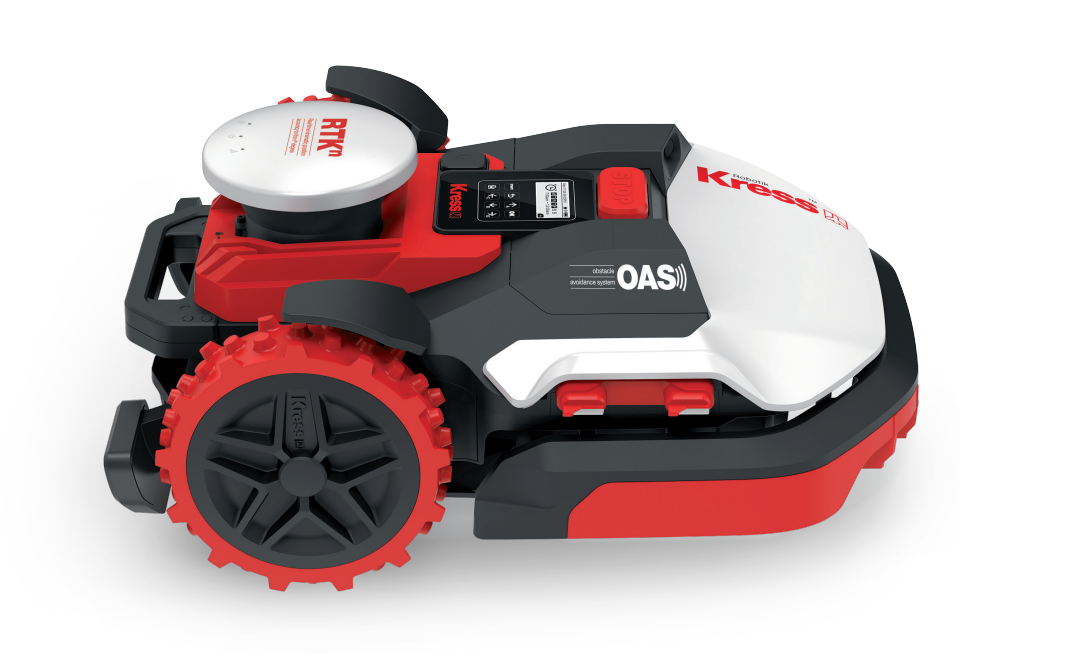
The Kress KR172E Mission RTK robotic lawn mower is a premium, wire-free mowing solution designed for homeowners and property managers who want precise, automated lawn care without the hassle of perimeter wire installation. Built around RTK navigation, this model uses satellite-guided positioning for accurate mowing patterns, efficient coverage, and consistent results across medium to large lawns. The Kress KR172E Mission RTK robotic lawn mower is especially appealing to users who want a smart, low-noise, app-controlled mower that can handle complex gardens, slopes, and frequent mowing schedules with minimal supervision.
Key benefits include a recommended mowing area of up to 2,000 m², a maximum coverage rating of up to 3,000 m² under lighter cutting intervals, a 20 cm cutting width, electronic height adjustment, and a 40% maximum slope capacity. The mower’s compact 12 kg body, IPX5 weather resistance, and 59 dB perceived sound level make it suitable for regular daytime operation and discreet evening use. Depending on the package and region, pricing typically starts around £1,499, €1,699, or about $1,699.99, with versions including obstacle-avoidance features and premium bundle options priced higher. Availability is generally through Kress dealers, specialist garden retailers, and selected online resellers, though stock can vary by market.
For buyers comparing robotic mowers, the Kress KR172E Mission RTK robotic lawn mower stands out for its wire-free setup, RTK precision, and strong feature set for the price. It is a practical choice for users who want a high-end autonomous mower for structured lawns, multi-zone gardens, and properties where reliable navigation matters more than budget pricing.
Pros and Cons of the Kress KR172E Mission RTK Robotic Lawn Mower
Pros
- Wire-free RTK navigation reduces installation complexity and avoids burying perimeter cables.
- Strong coverage for medium to large lawns, with recommended area support up to 2,000 m².
- Quiet operation at around 59 dB makes it less intrusive than many petrol or traditional electric mowers.
- Electronic cutting height adjustment adds convenience when fine-tuning lawn appearance.
- Good slope handling at up to 40%, making it suitable for many uneven gardens.
- Compact design and weather resistance support everyday outdoor use in changing conditions.
Cons
- Premium pricing puts it above entry-level robotic mowers, so it is not the cheapest option.
- RTK systems may require good satellite visibility and a suitable installation environment for best performance.
- The 20 cm cutting width is efficient but not as wide as some larger robotic models.
- Best value comes from regular mowing routines; users with very small lawns may find it over-specified.
- Compared with cheaper alternatives from Husqvarna or Worx, it offers advanced navigation but at a higher upfront cost.
Overall, the Kress KR172E Mission RTK robotic lawn mower offers strong value for property owners who want premium automation, especially when compared with traditional boundary-wire mowers that take longer to install and maintain.
Customer Reviews for the Kress KR172E Mission RTK Robotic Lawn Mower
Customer feedback for the Kress KR172E Mission RTK robotic lawn mower is generally positive, with many users praising its precise navigation, quiet performance, and reliable day-to-day mowing. Typical ratings fall around 4 to 4.5 out of 5 stars in reseller and dealer feedback, especially from buyers with medium-sized, structured lawns. One common testimonial theme is: “It mapped the garden quickly and now keeps the lawn consistently neat with very little effort.”
Frequent praise includes easy app control, stable cutting patterns, and the convenience of avoiding perimeter wire installation. Common complaints usually focus on price, the need for a strong setup environment for RTK accuracy, and occasional concerns about obstacle handling depending on the package chosen. Users who add obstacle-avoidance versions or premium bundles often report better satisfaction on more complex lawns. The strongest recommendation is for homeowners with lawns around 1,000 to 2,000 m² who want dependable automated mowing and are willing to pay for a more advanced system.
Key Specifications at a Glance
- Recommended lawn area: up to 2,000 m²
- Maximum lawn area: up to 3,000 m² under lighter mowing intervals
- Cutting width: 20 cm
- Cutting height range: 30 to 60 mm
- Maximum slope: 40%
- Battery: 4 Ah, 20 V lithium-ion
- Weight: 12 kg
- Noise level: 59 dB
- Weather resistance: IPX5
- Navigation: RTK-based wireless positioning
Is the Kress KR172E Mission RTK Robotic Lawn Mower Worth Buying?
If you want a premium robotic mower with accurate satellite navigation, simple setup, and solid mowing performance, the Kress KR172E Mission RTK robotic lawn mower is an excellent option. It is best suited to users who value automation, quiet operation, and precise lawn maintenance over a lower entry price. For larger gardens, mixed terrain, and homeowners looking for a future-ready smart mower, it remains one of the more compelling wire-free choices in its class.
Faqs
How do I set up the Kress KR172E Mission RTK robotic lawn mower for the first time?
Why does my Kress KR172E Mission RTK robotic lawn mower keep losing its RTK signal?
What should I do if the Kress KR172E Mission RTK robotic lawn mower is not following the boundary I set?
Is the Kress KR172E Mission RTK robotic lawn mower suitable for sloped lawns and uneven terrain?
How do I optimize cutting performance on the Kress KR172E Mission RTK robotic lawn mower?
What kind of maintenance does the Kress KR172E Mission RTK robotic lawn mower need?
Can the Kress KR172E Mission RTK robotic lawn mower work on multiple lawn zones?
What are the most common reasons the Kress KR172E Mission RTK robotic lawn mower fails to charge?
Leave a Comment