
Setup: Afw Filters Twist-Loc Nelsen Reverse Osmosis System User Manual
Content
afw Twist-Loc Nelsen Reverse Osmosis System: Product Manual and Buying Guide
Introduction
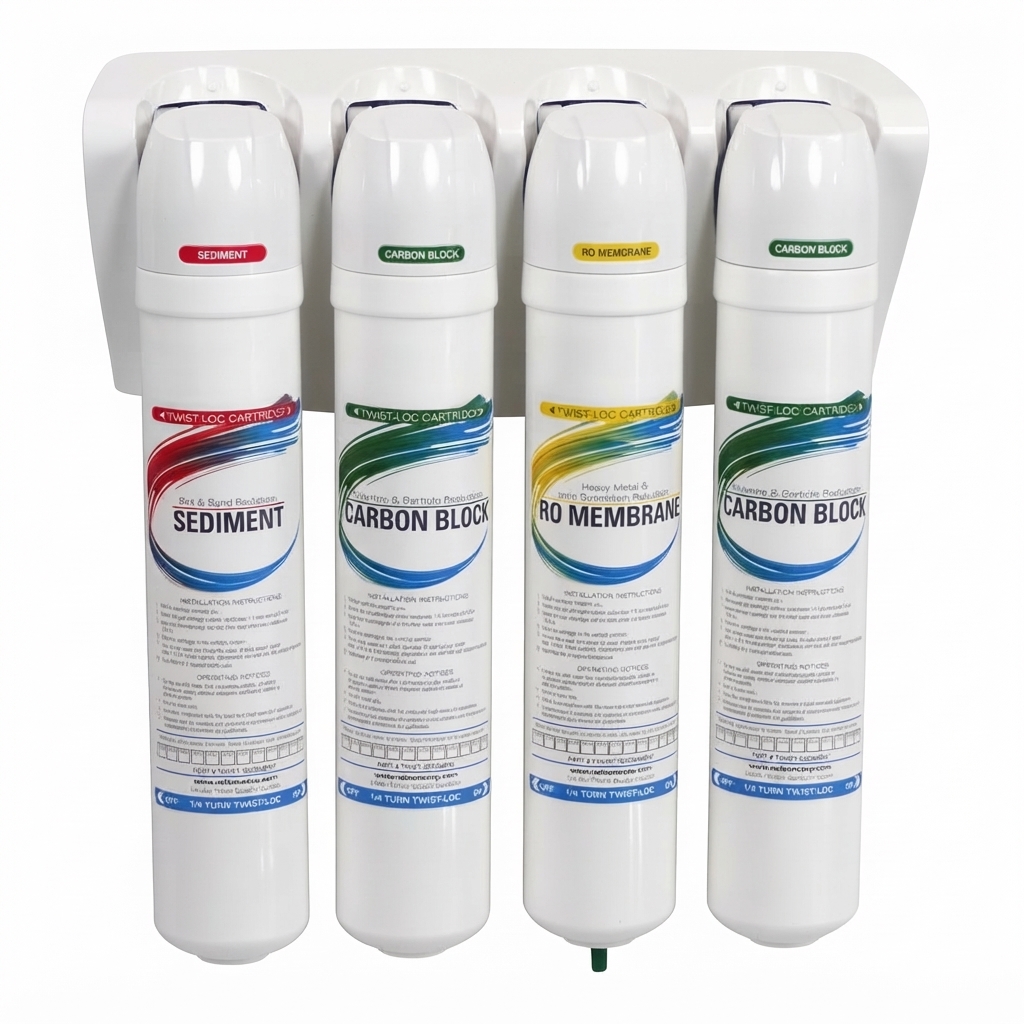
The afw Twist-Loc Nelsen Reverse Osmosis System is a compact under-sink drinking water solution designed for households that want cleaner, better-tasting water with minimal maintenance. Built around a 4-stage reverse osmosis layout, it combines sediment filtration, carbon pre-filtration, an RO membrane, and a carbon post-filter to reduce common contaminants while improving taste and odor. Its standout feature is the quick-change Twist-Loc cartridge design, which makes filter replacement faster and cleaner than traditional canister-style systems.
This system is a strong fit for families, apartment owners, and homeowners who want reliable point-of-use water filtration without a complicated setup. It is especially useful for kitchens that need a steady supply of purified water for drinking, cooking, coffee, tea, and baby formula. The included 3.2-gallon storage tank and dedicated faucet make it practical for everyday use, while the 75 GPD membrane rating supports consistent output for typical household needs.
In terms of value, the afw Twist-Loc Nelsen Reverse Osmosis System usually falls in the mid-range price category, with common retail pricing around the $300 to $450 range depending on the seller, package, and included accessories. Replacement filter kits are sold separately, which helps keep long-term maintenance predictable. Availability is generally good through water-treatment retailers and specialty filtration stores, though exact stock can vary by model and cartridge package. For buyers comparing quick-change RO systems, this model offers a balanced mix of convenience, filtration performance, and long-term usability.
Pros and Cons of the afw Twist-Loc Nelsen Reverse Osmosis System
Pros
- Quick-change filter design: The Twist-Loc cartridge system allows faster maintenance and reduces the mess often associated with standard RO housings.
- Complete 4-stage filtration: Sediment, carbon, membrane, and post-carbon stages provide a well-rounded drinking water filtration setup.
- Good everyday capacity: The 75 GPD membrane and 3.2-gallon tank support typical kitchen water usage for drinking and cooking.
- Improved taste and odor: Many users choose reverse osmosis for cleaner-tasting water, and this system is designed specifically for that purpose.
- Strong value for convenience: Compared with more basic under-sink RO systems, the quick-change format can save time during yearly filter replacements.
Cons
- Higher cartridge cost: Quick-change replacement filters can cost more than standard loose cartridges, which increases long-term ownership expenses.
- Not ideal for every water problem: Like most RO units, it is built for potable water and does not replace treatment needed for microbiological contamination.
- Storage tank limits flow: The tank is adequate for home use, but it is not meant for high-volume commercial demand.
- More complex than pitcher filters: Installation and maintenance are simpler than many RO systems, but still more involved than basic countertop options.
Compared with standard under-sink RO systems, the afw Twist-Loc Nelsen Reverse Osmosis System is more convenient to service but may cost a little more over time. Compared with premium smart RO systems, it offers fewer advanced features, but it delivers solid core performance and good value for the price.
Customer Reviews of the afw Twist-Loc Nelsen Reverse Osmosis System
Customer feedback is generally positive, with many buyers giving the system around 4.4 out of 5 stars for ease of maintenance, water taste, and dependable daily performance. One common comment is that the Twist-Loc design makes filter changes much easier than traditional RO housings, especially for users who prefer simple home maintenance. Another frequent praise point is the noticeable improvement in drinking water flavor.
Typical praise includes remarks such as, “The water tastes clean and fresh, and changing filters is far easier than my old system.” Common complaints focus on replacement cartridge prices and the learning curve during the initial installation. Some users also note that the storage tank and faucet flow are fine for home use, but not especially fast.
For buyers who want a low-maintenance reverse osmosis water filter system with quick-change cartridges, this model is often recommended. For users mainly comparing budget options, a standard 4-stage RO system may cost less upfront, but the afw Twist-Loc Nelsen Reverse Osmosis System can be the better long-term choice if convenience matters most.
Key Features and Specifications
- 4-stage reverse osmosis filtration
- 75 GPD membrane rating
- 3.2-gallon storage tank
- Quick-change Twist-Loc cartridges
- Dedicated drinking water faucet
- Designed for potable water supplies
- Suitable for under-sink installation
Who Should Buy This Reverse Osmosis Water Filtration System?
- Homeowners who want better tasting tap water
- Families needing a dependable kitchen drinking water system
- Users who prefer easy filter replacement
- Buyers looking for a mid-range RO system with strong core performance
- Anyone replacing an older under-sink water purifier with a quicker maintenance design
Maintenance Tips for Best Performance
- Replace sediment and carbon filters on schedule to protect the membrane.
- Monitor water taste and flow rate as signs that cartridges need replacement.
- Check fittings and tubing after installation to prevent leaks.
- Use the system only with potable water supplies.
- Follow the recommended maintenance interval for the RO membrane and post-filter.
Faqs
How do I set up the afw Twist-Loc Nelsen Reverse Osmosis System for the first time?
Why is my afw Twist-Loc Nelsen Reverse Osmosis System producing low water flow?
What makes the afw Twist-Loc Nelsen Reverse Osmosis System different from standard RO systems?
How often should I replace filters in the afw Twist-Loc Nelsen Reverse Osmosis System?
What should I do if the afw Twist-Loc Nelsen Reverse Osmosis System is leaking after installation?
Is the afw Twist-Loc Nelsen Reverse Osmosis System compatible with standard kitchen sinks and faucets?
How can I improve the water quality and performance of my afw Twist-Loc Nelsen Reverse Osmosis System?
Why does my afw Twist-Loc Nelsen Reverse Osmosis System make noise during operation?
Leave a Comment