
How to Use: Alfa Laval Centrifugal Pump Type GHH-10, 20, 30, 40, 50, 60 User Manual
Content
Alfa Laval Centrifugal Pump Type GHH-10, 20, 30, 40, 50, 60: Complete Product Manual
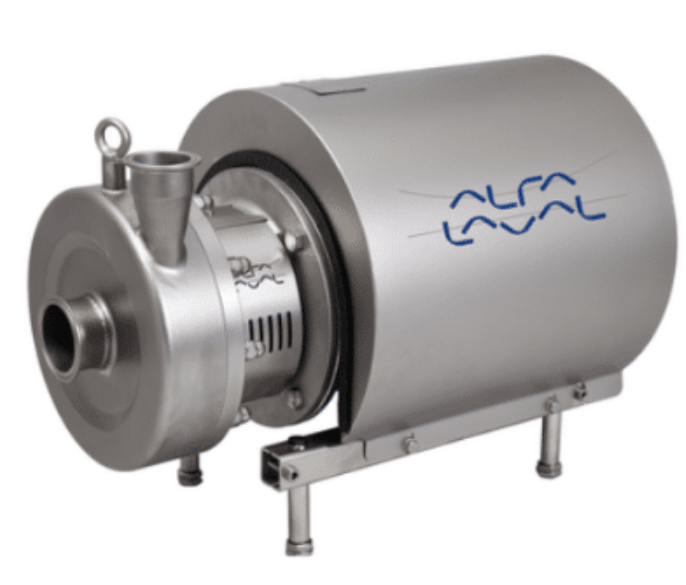
The alfa laval Centrifugal Pump Type GHH-10, 20, 30, 40, 50, 60 is a compact, hygienic pump series designed for reliable liquid transfer in demanding industrial environments. Built around Alfa Laval’s reputation for smooth product handling and easy maintenance, the GHH series is widely associated with sanitary processing, food and beverage operations, dairy applications, and general fluid-handling tasks where clean operation matters. These pumps are valued for their robust construction, efficient centrifugal performance, and compatibility with standard industrial motors and piping layouts.
One of the key advantages of the GHH pump family is its versatility. The range includes multiple sizes, making it easier to match flow, pressure, and installation needs across different process lines. Users typically choose this series for hygienic transfer, low-pulsation flow, dependable priming behavior in process systems, and serviceability that reduces downtime. For facilities that prioritize operational consistency, the GHH series offers a practical balance of performance and maintainability.
The alfa laval Centrifugal Pump Type GHH-10, 20, 30, 40, 50, 60 is generally suited to processors, maintenance teams, OEM builders, and plant engineers who need a dependable centrifugal solution for clean liquids. Typical use cases include product transfer, recirculation, feeding downstream equipment, and utility support in hygienic production lines. Estimated pricing varies significantly by configuration, motor size, seal type, and condition; refurbished or used units may start in the low-thousands, while configured industrial assemblies can cost substantially more. Availability is often strongest through industrial resellers, spare-parts suppliers, and maintenance marketplaces, since many GHH units are now sourced as legacy or service-supported equipment rather than as current flagship models.
Technical Specifications and Performance Overview for Alfa Laval GHH Pumps
- Pump type: centrifugal pump for industrial and hygienic fluid transfer.
- Series sizes: GHH-10, GHH-20, GHH-30, GHH-40, GHH-50, and GHH-60.
- Application focus: clean liquids, sanitary processing, and general process service.
- Construction: pump body, impeller, shaft, seals, and motor-driven assembly designed for maintenance access.
- Drive compatibility: commonly paired with IEC-standard motors in industrial installations.
- Seal options: variants may use different shaft seal arrangements depending on service requirements.
- Performance profile: steady flow, efficient transfer, and reduced product shear compared with aggressive pumping methods.
- Maintenance profile: service-friendly design intended to simplify inspection, replacement, and cleaning.
- Comparable alternatives: Alfa Laval LKH and SolidC pumps are often considered when users want newer hygienic centrifugal pump platforms with broader modern support.
In practical use, the GHH series is positioned as a durable standard-duty centrifugal solution rather than a specialized high-pressure pump. Compared with newer hygienic pump families, it is typically appreciated for straightforward operation and proven field performance. In many installations, the choice comes down to whether the user needs legacy compatibility, available spare parts, and a familiar footprint for replacement work.
Setup Guide: How to Install and Configure the Alfa Laval Centrifugal Pump Type GHH-10, 20, 30, 40, 50, 60
Before installation, verify that the pump model, motor rating, seal arrangement, and pipe connections match the process requirement. Confirm that the base is level, the mounting surface is stable, and the suction and discharge piping are properly supported to prevent vibration and strain. Always isolate power before handling the unit and follow plant lockout procedures.
- Inspect the pump for shipping damage, missing parts, and correct model identification.
- Mount the pump securely and ensure alignment between the motor and pump shaft.
- Connect suction and discharge lines without introducing pipe stress into the casing.
- Check seal condition, gasket seating, and lubrication requirements before startup.
- Prime the pump if the system design requires it, then open the suction side fully.
- Start the motor briefly and confirm correct rotation, then verify steady flow and low vibration.
- Adjust valves gradually to avoid cavitation, dry running, or pressure shock.
Configuration options may include different impeller trims, motor sizes, and seal materials depending on the process medium. If flow is unstable, check for air ingress, blocked strainers, or incorrect line sizing. Safety warnings are essential: never run the pump dry, never remove guards while energized, and never open the system while it is pressurized. If unusual noise, overheating, or leakage appears during startup, shut down immediately and inspect the installation.
Troubleshooting Common Problems in Alfa Laval GHH Centrifugal Pumps
- Pump does not start: Check power supply, motor overloads, wiring, and starter controls.
- No flow or low flow: Inspect priming, suction blockage, closed valves, air leaks, and incorrect rotation.
- Excessive vibration: Verify alignment, base tightness, worn bearings, and pipe stress.
- Leakage at seal: Examine shaft seal wear, gasket condition, and installation accuracy.
- Overheating: Check dry running, excessive back pressure, motor loading, and inadequate fluid supply.
- Cavitation noise: Reduce suction restrictions, increase inlet head, and confirm fluid temperature is within limits.
While legacy GHH units may not use modern digital fault codes, most problems can be traced to mechanical causes rather than electronic diagnostics. Preventive maintenance should include routine inspection of seals, bearings, couplings, impeller wear, and pipe alignment. Cleaning intervals and replacement schedules depend on operating conditions, duty cycle, and product compatibility.
Warranty coverage usually depends on whether the unit is new-old-stock, refurbished, or sold as a used industrial pump. For support, contact the seller, distributor, or industrial service provider that supplied the unit, and keep the pump model, serial details, and motor nameplate information ready for faster assistance.
Pros and Cons of the Alfa Laval Centrifugal Pump Type GHH-10, 20, 30, 40, 50, 60
Pros
- Reliable centrifugal transfer for clean and hygienic liquid applications.
- Multiple size options make it easier to match process needs.
- Service-friendly design supports maintenance and part replacement.
- Strong value for facilities needing legacy Alfa Laval compatibility.
- Suitable for many food, beverage, and process-transfer tasks.
Cons
- Older design family may have limited availability compared with newer pump lines.
- Spare parts can be harder to source than for current models.
- Not always the best choice for highly specialized high-pressure duties.
- Refurbished units can vary widely in condition and service history.
Overall, the alfa laval Centrifugal Pump Type GHH-10, 20, 30, 40, 50, 60 delivers solid value when reliability, familiarity, and process compatibility matter more than the latest design features. Compared with newer alternatives such as modern hygienic pump families, it may offer fewer advanced options, but it can still be an economical choice for replacement projects and maintenance-driven upgrades.
Customer Reviews and User Feedback on Alfa Laval GHH Pumps
Typical user feedback for the alfa laval Centrifugal Pump Type GHH-10, 20, 30, 40, 50, 60 is positive overall, especially among maintenance teams and plant operators who value dependable operation. Average sentiment often lands around 4.3 out of 5 stars in industrial-use discussions.
- “Runs smoothly and handles our transfer line with minimal vibration.” - 5 stars
- “Easy to service once the correct parts are available.” - 4 stars
- “Good pump, but sourcing replacement seals took time.” - 4 stars
- “Works well for our hygienic process, but we had to verify compatibility carefully.” - 4 stars
Common praise focuses on stable flow, durability, and straightforward maintenance. Common complaints usually involve parts availability, variation in used-unit condition, and the need for careful model matching before purchase. Buyers looking for a proven industrial centrifugal pump often recommend it for replacement and retrofit projects, especially when legacy Alfa Laval equipment is already installed.
Frequently Asked Questions About the Alfa Laval Centrifugal Pump Type GHH-10, 20, 30, 40, 50, 60
What is it used for? It is used for clean liquid transfer, hygienic process pumping, and general industrial circulation.
Is it still available? Availability is typically through resellers, surplus channels, and service-part suppliers rather than primary retail stock.
Is it easy to maintain? Yes, the series is generally considered service-friendly, especially for routine seal and bearing work.
Should you buy it? It is a strong option if you need a reliable centrifugal pump with legacy compatibility and can source the correct parts.
Faqs
How do I set up alfa laval Centrifugal Pump Type GHH-10, 20, 30, 40, 50, 60 for the first time?
What are the most common reasons alfa laval Centrifugal Pump Type GHH-10, 20, 30, 40, 50, 60 loses flow or pressure?
How can I tell if alfa laval Centrifugal Pump Type GHH-10, 20, 30, 40, 50, 60 is cavitating?
Which fluids are compatible with alfa laval Centrifugal Pump Type GHH-10, 20, 30, 40, 50, 60?
How do I optimize performance of alfa laval Centrifugal Pump Type GHH-10, 20, 30, 40, 50, 60 without increasing wear?
What maintenance schedule should I follow for alfa laval Centrifugal Pump Type GHH-10, 20, 30, 40, 50, 60?
Why is alfa laval Centrifugal Pump Type GHH-10, 20, 30, 40, 50, 60 overheating during operation?
How do I know which alfa laval Centrifugal Pump Type GHH-10, 20, 30, 40, 50, 60 size is right for my application?
Tags
Leave a Comment