
Alliance CL300-1800 Chest heated ironer User Manual
Content
Alliance CL300-1800 Chest Heated Ironer Overview
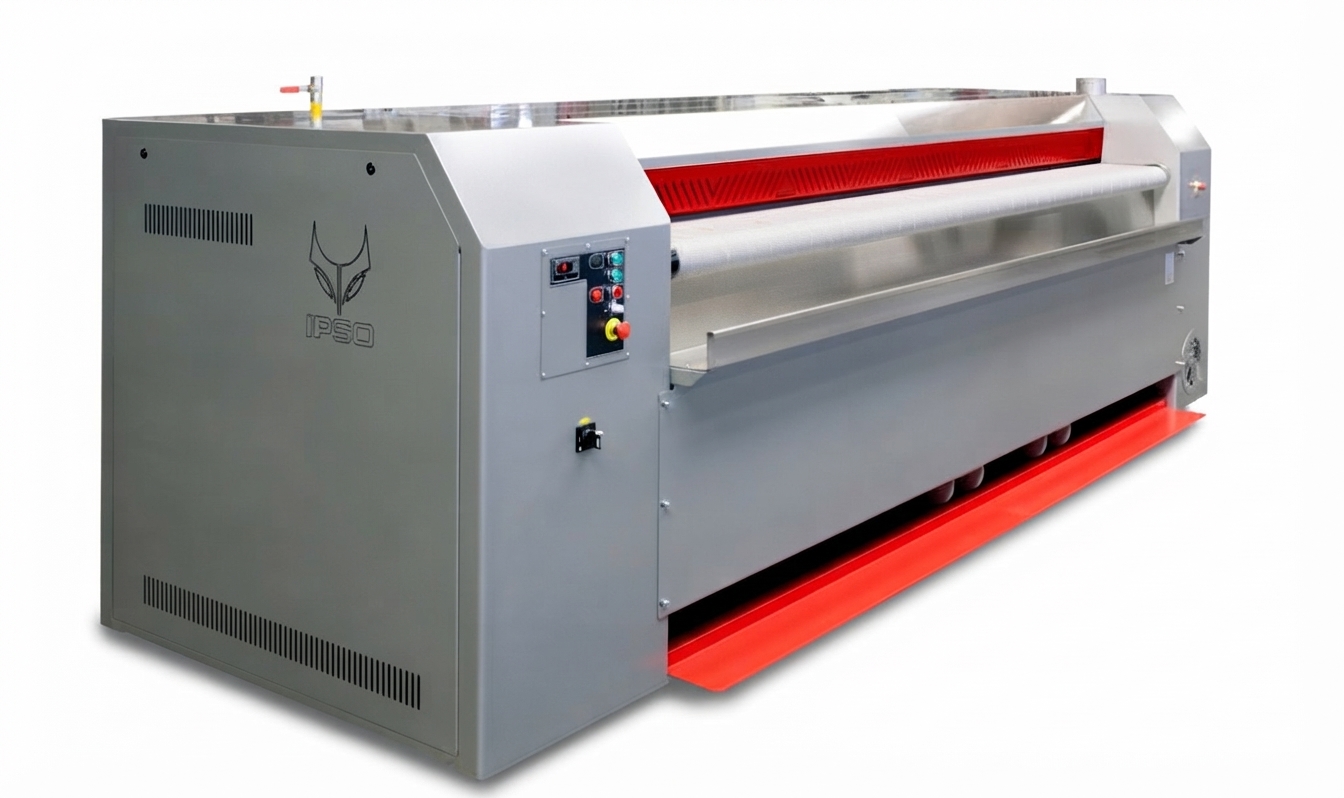
The alliance CL300-1800 Chest heated ironer is a commercial finishing machine designed for high-volume laundry operations that need consistent pressing, smooth linen finishing, and reliable heat distribution. Built for hotels, hospitals, care facilities, uniform services, and in-house laundries, it is intended to handle sheets, table linens, pillowcases, and other flatwork with professional results. Its chest-heated design supports stable thermal transfer across the ironing surface, helping operators achieve efficient moisture removal and a crisp finish with less manual effort.
One of the main benefits of the alliance CL300-1800 Chest heated ironer is its combination of industrial capacity and controlled heat performance. Chest heated ironers are typically valued for even heating, reduced creasing, and better productivity compared with basic flatwork finishing methods. The CL300-1800 format is suited to facilities that process large linen volumes daily and need dependable output with minimal downtime. Depending on the configuration, units in this class are often used in continuous operation environments where throughput and fabric consistency matter most.
From an SEO and buyer perspective, shoppers often search for this model when comparing commercial ironers, laundry finishing equipment, and chest ironers for sale. Estimated market pricing can vary significantly by region, configuration, and supplier, but commercial chest heated ironers in this category commonly fall in the mid-to-high five-figure range when new, with refurbished or used units sometimes available at lower cost. Availability is usually through commercial laundry equipment distributors, local service partners, and specialized industrial laundry suppliers.
Troubleshooting Guide for the alliance CL300-1800 Chest heated ironer
Common issues with the alliance CL300-1800 Chest heated ironer usually involve heat delivery, thermal overloads, linen feed quality, or electrical protection systems. If the machine is not heating properly, first check whether the thermal overloads in the electrical connection box have tripped and reset them if needed. If linen emerges damp, verify temperature settings, feed speed, and whether the chest has reached operating temperature. Uneven pressing often points to dirty belts, incorrect pressure settings, or insufficient pre-drying of textiles.
Some chest heated ironers may show fault conditions related to overheating or sensor failures. While error-code naming can vary by control system, typical service alerts in commercial laundry equipment often include overheating, temperature-sensor fault, drive fault, or door/interlock fault messages. If an error code appears, power down the machine, allow it to cool, inspect wiring and sensors, and restart only after the fault condition is cleared. Repeated errors should be handled by a qualified technician.
Preventive care is the best way to avoid downtime. Clean lint and debris regularly, inspect belts and rollers, confirm proper ventilation, and schedule periodic checks of heating components and safety devices. Warranty coverage and support options depend on the seller and region, but most buyers should keep the serial number, installation record, and purchase invoice ready when requesting service. For help, contact the authorized Alliance Laundry Systems distributor or the commercial laundry equipment service provider that supplied the unit.
Pros and Cons of the alliance CL300-1800 Chest heated ironer
Pros
- Strong commercial productivity for hotels, hospitals, and laundry plants that process large volumes of flatwork.
- Chest-heated design supports even thermal transfer, helping reduce wrinkles and improve finish quality.
- Suitable for continuous daily use in demanding laundry operations.
- Better consistency than manual ironing or smaller tabletop finishing equipment.
- Good long-term value for facilities that need reliable linen finishing equipment.
Cons
- Requires significant floor space and proper installation planning.
- Higher upfront cost than compact flatwork ironers or lower-capacity alternatives.
- Needs trained operators and routine maintenance for best performance.
- Energy use can be substantial in high-output commercial settings.
- May be oversized for small laundries with limited linen volume.
Compared with alternatives such as smaller cylinder ironers or basic pressing equipment, the alliance CL300-1800 Chest heated ironer is better suited to facilities that prioritize throughput, consistency, and durability over compact size and lower purchase cost. For operations with steady linen demand, it can offer strong value for money.
Customer Reviews and User Feedback
Users typically praise the alliance CL300-1800 Chest heated ironer for its consistent heat output, dependable linen finish, and ability to handle heavy workloads. Many commercial laundry managers describe it as a solid investment for high-volume finishing, especially where turnaround time is critical. A common positive theme is that the machine helps reduce manual labor while improving presentation quality.
Frequent complaints usually focus on installation complexity, service requirements, and the learning curve for new operators. Some buyers also mention that replacement parts and professional maintenance can add to ownership costs. Overall star ratings for machines in this category are often favorable when the unit is installed correctly and maintained on schedule.
- “Excellent for daily hotel linen finishing — fast, even, and reliable.”
- “A big machine, but worth it for our laundry volume.”
- “Needs trained staff, but the results are consistently professional.”
For buyers comparing commercial chest ironers, the alliance CL300-1800 Chest heated ironer is best recommended for facilities that need durable performance and high output rather than a low-cost entry-level solution.
Buying Tips for Chest Heated Ironer Shoppers
Before purchasing a chest heated ironer, confirm linen volume, available utility connections, floor space, and maintenance support in your area. Ask about installation requirements, spare parts availability, and service response times. If you are comparing commercial flatwork finishing equipment, prioritize heat consistency, operator safety, and total cost of ownership.
Faqs
How do I set up the alliance CL300-1800 Chest heated ironer for the first time?
What should I do if the alliance CL300-1800 Chest heated ironer is not heating properly?
What fabrics are compatible with the alliance CL300-1800 Chest heated ironer?
How can I improve ironing performance on the alliance CL300-1800 Chest heated ironer?
Why does the alliance CL300-1800 Chest heated ironer leave wrinkles after pressing?
How often should I maintain the alliance CL300-1800 Chest heated ironer?
What safety checks should I perform before using the alliance CL300-1800 Chest heated ironer?
How do I clean and care for the alliance CL300-1800 Chest heated ironer after use?
More alliance manuals
Leave a Comment