
Setup: Antarctic Star NDTFT14RH Remote Tower Fan User Manual
Content
antarctic star NDTFT14RH Remote Tower Fan: Complete Product Manual and Buyer Guide
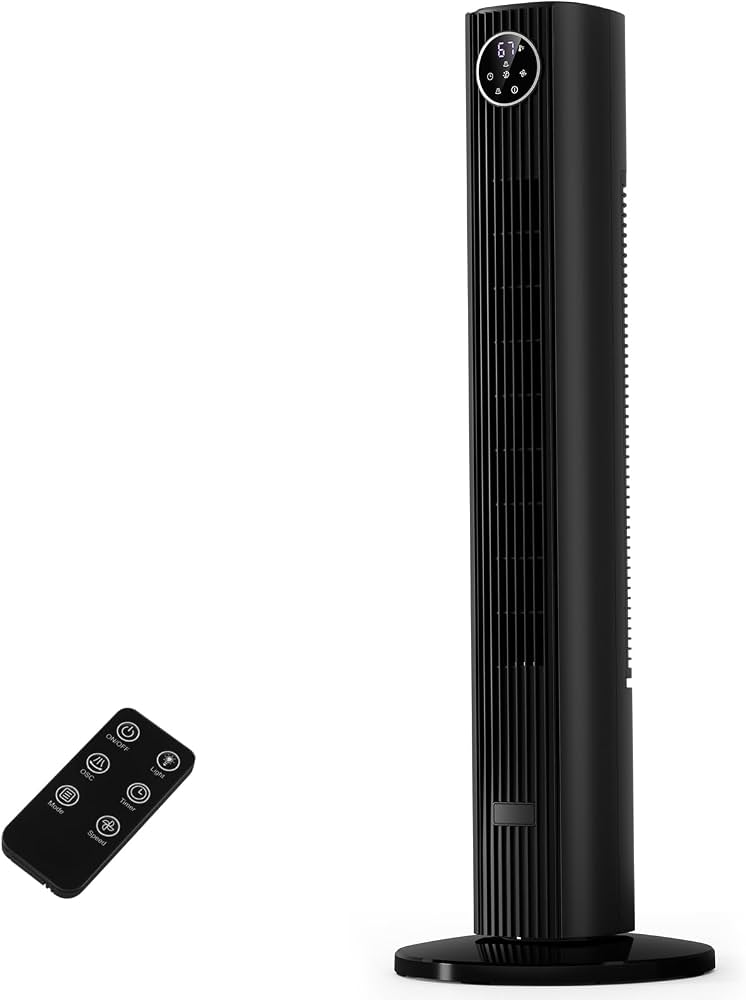
Introduction
The antarctic star NDTFT14RH Remote Tower Fan is a compact household cooling solution designed for bedrooms, living rooms, offices, and other indoor spaces where quiet air circulation matters. Built as a 14-inch-class remote tower fan, it combines a slim footprint with oscillation, multiple speed settings, and remote-controlled convenience, making it a practical choice for users who want targeted cooling without taking up floor space. This model is especially useful for apartments, small rooms, dorms, and home offices where a bladeless or enclosed tower design is preferred for safety and style.
Key benefits include easy remote operation, low-noise performance, adjustable airflow modes, and a timer function for overnight use or energy-conscious operation. The fan is rated at 120V, 60Hz, and 50W, which makes it suitable for standard U.S. household outlets. Its tower form also improves air distribution compared with traditional compact desk fans, while remaining easy to position beside a bed or sofa. The antarctic star NDTFT14RH Remote Tower Fan is typically sold in the budget-to-midrange category, with an estimated price range of about $40 to $80 depending on retailer, season, and availability. It is commonly found through major online marketplaces and home goods sellers, though stock can vary by color and region. For shoppers comparing tower fans, this model stands out for straightforward controls, practical everyday cooling, and good value for money.
Troubleshooting Common Problems With the NDTFT14RH Tower Fan
If the fan will not power on, first confirm that it is plugged into a working outlet and that the cord is not damaged. If the remote is unresponsive, replace the batteries and aim the remote directly at the sensor on the control panel. If airflow feels weak, check for dust buildup on the intake and exhaust areas and clean the fan regularly to maintain performance. If oscillation stops working, power the unit off, wait a few minutes, and restart it to reset the motor mechanism.
Some tower fan manuals for this model line refer to internal board or configuration issues rather than user-facing error codes, so visible error codes may not appear on the display. If the unit behaves erratically, such as turning on and off unexpectedly, unplug it for a full reset and inspect the power source. Preventive care includes keeping the fan on a level surface, avoiding moisture, and cleaning the vents with a dry cloth or soft brush. The product is typically covered by a one-year limited warranty from the original purchase date, provided the issue is due to materials or workmanship under normal use. For support, contact Antarctic Star customer service at service@antarctic-star.com or call +1 (213) 446-7172 for help with replacement parts, warranty claims, or technical questions.
Pros & Cons of the antarctic star NDTFT14RH Remote Tower Fan
Pros
- Compact tower design saves floor space and fits well in bedrooms, offices, and dorm rooms.
- Remote control adds convenience for nighttime use or when the fan is placed across the room.
- 120V, 60Hz, 50W operation makes it compatible with standard indoor outlets.
- Multiple speed and mode settings provide flexible airflow for different comfort levels.
- Oscillation helps distribute air more evenly than a fixed-direction fan.
- Good value for money for shoppers seeking an affordable remote tower fan.
Cons
- Not as powerful as larger pedestal fans or premium high-airflow tower fans.
- May require periodic cleaning to maintain strong airflow and quiet operation.
- Remote functionality depends on battery health and line-of-sight reception.
- Limited advanced features compared with more expensive alternatives such as smart fans or app-controlled models.
Compared with basic desk fans, the antarctic star NDTFT14RH Remote Tower Fan offers better room coverage and a cleaner, more modern design. Compared with premium tower fans, it is more affordable but less feature-rich, making it a solid entry-level option for everyday cooling.
Customer Reviews and Real-World Feedback
Customer feedback for the antarctic star NDTFT14RH Remote Tower Fan is generally positive, especially from buyers who want quiet operation and a small footprint. Many users praise the remote control, simple setup, and effective airflow for bedrooms and small living spaces. Common star ratings for this type of tower fan typically fall around 4 out of 5 stars, with buyers noting that it is a practical and budget-friendly choice.
Typical praise includes comments such as, “Perfect for my bedroom and runs quietly at night,” and, “The remote makes it easy to adjust settings without getting up.” Common complaints usually mention that airflow may feel modest in larger rooms, and some users prefer a longer power cord or stronger oscillation coverage. Overall, this model is a good recommendation for shoppers who want an affordable remote tower fan for personal cooling, light air circulation, and everyday home use.
Frequently Asked Questions About the Antarctic Star NDTFT14RH Tower Fan
Is the NDTFT14RH suitable for bedrooms?
Yes, its quiet operation, remote control, and timer-style convenience make it a strong fit for bedroom use.
What is the power rating of this tower fan?
The unit is rated at 120V, 60Hz, and 50W for standard household indoor use.
How do I get help if the fan stops working?
Use the warranty support contact information listed by the manufacturer and keep your proof of purchase ready for service requests.
Faqs
How do I set up the Antarctic Star NDTFT14RH Remote Tower Fan for the first time?
Why is my Antarctic Star NDTFT14RH Remote Tower Fan remote not responding?
What should I do if the Antarctic Star NDTFT14RH Remote Tower Fan is blowing weak airflow?
How do I use the oscillation and timer features on the Antarctic Star NDTFT14RH Remote Tower Fan?
Can the Antarctic Star NDTFT14RH Remote Tower Fan be used in a bedroom or office without being too loud?
What are the best placement tips for getting better cooling from the Antarctic Star NDTFT14RH Remote Tower Fan?
How often should I clean and maintain the Antarctic Star NDTFT14RH Remote Tower Fan?
Why does my Antarctic Star NDTFT14RH Remote Tower Fan turn on but stop after a few minutes?
Tags
More antarctic star manuals
Leave a Comment