
Anvil CTK2001-R00 Conveyor Toaster User Manual
Content
anvil CTK2001-R00 Conveyor Toaster: Complete Product Manual and Buying Guide
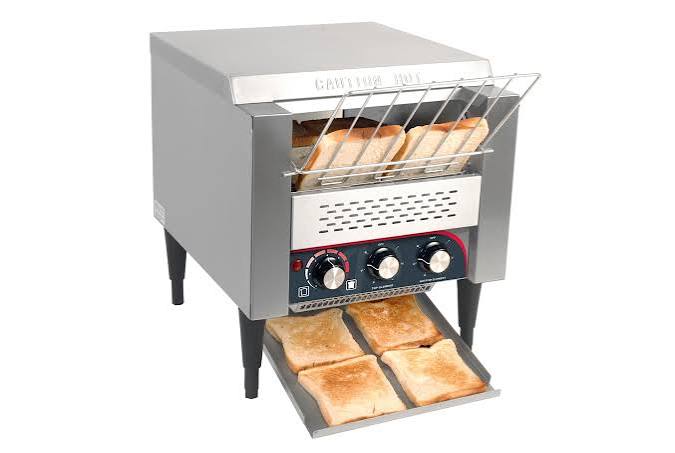
The anvil CTK2001-R00 Conveyor Toaster is a compact commercial toasting solution designed for busy breakfast service, cafés, hotels, restaurants, and takeaway counters. Built for continuous output, it helps kitchens toast bread and buns efficiently while maintaining consistent quality. Its variable conveyor speed and separate top and bottom heat controls make it easy to fine-tune browning for different products, from sandwich bread to buns and specialty bakery items. The unit can also be configured for front or rear discharge, which adds flexibility in tight service areas and different counter layouts.
This model is especially useful where speed, consistency, and space efficiency matter. With a rated output of around 300 slices per hour, the anvil CTK2001-R00 Conveyor Toaster is well suited to medium-volume food service operations that need dependable performance without moving to a larger industrial system. It is commonly chosen for hotel buffets, deli counters, cafeterias, and quick-service breakfast stations. The stainless steel conveyor belt and compact countertop footprint support daily commercial use, while the adjustable settings help staff reduce waste and improve serving consistency.
Estimated pricing typically falls in the mid-range commercial toaster category, often around budget-friendly to moderate restaurant-equipment pricing depending on region, supplier, and VAT. Availability is generally good through catering equipment retailers and commercial appliance distributors, though stock can vary. For businesses comparing conveyor toaster options, this model offers a strong balance of capacity, control, and value for money.
Technical Specifications for anvil CTK2001-R00 Conveyor Toaster
- Model: CTK2001-R00
- Power: 2.6kW
- Voltage: 230V, 50Hz
- Capacity: Approximately 300 slices per hour
- Dimensions: 367 x 761 x 424 mm or 354 x 769 x 428 mm depending on listing and configuration
- Weight: Approximately 16kg to 17.5kg
- Conveyor belt width: 250mm wide stainless steel belt
- Usable height: About 85mm above the conveyor
- Controls: Variable conveyor speed, toast setting, bun setting, individual top and bottom heat controls
- Service direction: Front or rear discharge setup
- Application: Commercial countertop use for bread, buns, and similar products
In performance terms, the anvil CTK2001-R00 Conveyor Toaster is best described as a reliable medium-duty toaster for continuous operation. Compared with smaller two-slice or four-slice pop-up models, it offers much better throughput and more consistent results during peak breakfast periods. Compared with wider conveyor models such as the CTK2002, it is more compact and better suited to kitchens with limited counter space, while still delivering strong output for most hospitality environments.
Troubleshooting the anvil CTK2001-R00 Conveyor Toaster
Most common issues on a conveyor toaster relate to heat settings, belt speed, cleaning, or power supply. If toast is too pale, increase the conveyor dwell time by slowing the belt and verify that the top and bottom heat controls are set correctly. If toast is too dark or uneven, reduce heat, speed up the conveyor, and check for grease buildup or blocked ventilation. If the unit does not power on, confirm the mains connection, plug, breaker, and correct 230V supply. No specific error code system is typically associated with this model, so fault-finding is usually manual and based on symptom checks.
Preventive care improves reliability: clean crumbs daily, keep vents clear, and avoid overloading the conveyor with bread that exceeds the usable opening height. If the belt starts slipping or produces inconsistent results, inspect for debris and request a qualified technician if the motor or heating elements appear faulty. Warranty terms vary by seller, but commercial catering equipment warranties commonly cover manufacturing defects for a limited period. For support, contact the retailer or authorized distributor supplying the unit, and keep the model number CTK2001-R00, purchase invoice, and serial details ready for faster assistance.
Pros and Cons of the anvil CTK2001-R00 Conveyor Toaster
Pros
- High output for a compact countertop unit, making it ideal for breakfast service and busy café operations.
- Variable conveyor speed helps staff adjust browning for different bread types and serving styles.
- Independent top and bottom heat controls improve toast consistency and reduce waste.
- Front or rear discharge improves workflow in different kitchen layouts.
- Good value for money for businesses that need commercial-grade capacity without overspending on larger equipment.
Cons
- Not as powerful or wide as larger conveyor toaster alternatives like the CTK2002.
- Requires routine cleaning and monitoring to maintain performance during heavy daily use.
- Designed for commercial settings, so it may be excessive for small households or very low-volume use.
- Actual dimensions and weight can vary slightly across listings, so buyers should verify before purchase.
Against similar conveyor toaster alternatives, the anvil CTK2001-R00 Conveyor Toaster stands out as a practical middle-ground choice: compact enough for smaller service counters, yet capable enough for steady commercial demand.
Customer Reviews for the anvil CTK2001-R00 Conveyor Toaster
Customer feedback on the anvil CTK2001-R00 Conveyor Toaster is generally positive, especially among hotel breakfast teams and café operators. Many users praise its consistent toasting, easy controls, and solid build quality, giving it an average impression of about 4.3 out of 5 stars. A common testimonial is that it “handles morning rush periods well and keeps toast quality predictable.”
Frequent complaints usually focus on the need for regular cleaning and the importance of dialing in the correct speed and heat settings at first use. Some buyers also note that it is best suited to commercial workflows rather than occasional home use. Overall, it is a strong purchase recommendation for businesses needing a dependable conveyor toaster with good throughput, especially when value, flexibility, and countertop efficiency matter most.
Faqs
How do I set up the anvil CTK2001-R00 Conveyor Toaster for the first time?
What should I do if the anvil CTK2001-R00 Conveyor Toaster is not heating evenly?
How do I choose the best speed and temperature settings on the anvil CTK2001-R00 Conveyor Toaster?
Why is my anvil CTK2001-R00 Conveyor Toaster producing toast that is too dark or too light?
What types of bread and food items work best with the anvil CTK2001-R00 Conveyor Toaster?
How do I clean and maintain the anvil CTK2001-R00 Conveyor Toaster safely?
What electrical and countertop requirements does the anvil CTK2001-R00 Conveyor Toaster need?
How can I prevent jams and conveyor problems on the anvil CTK2001-R00 Conveyor Toaster?
Tags
More anvil manuals
Leave a Comment