
Aqua-Hot 400-LP Hydronic Heating System User Manual
Content
Aqua-Hot 400-LP Hydronic Heating System: Complete Product Manual and Buyer Guide
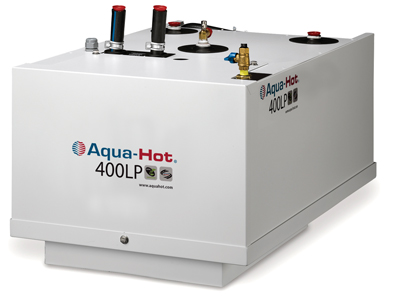
The Aqua-Hot 400-LP hydronic heating system is a premium RV climate solution designed to deliver quiet, even interior heat and continuous on-demand hot water in one integrated unit. Built for motorhomes and luxury coaches, it uses propane-fired hydronic technology to heat a boiler tank filled with propylene glycol solution, then circulates that heat through interior exchangers and floor or bay heating loops. The result is a noticeably more comfortable cabin than traditional forced-air furnaces, especially in cold weather and during extended off-grid travel.
This system is well suited for RV owners who want multi-zone heating, freeze protection for storage bays, and a tankless hot water experience that supports showers, dishwashing, and daily use without recovery delays. The Aqua-Hot 400-LP hydronic heating system is especially appealing to full-time travelers, winter campers, and owners of high-end Class A or Class C motorhomes that demand reliable all-season performance. Its main selling points include up to five thermostatically controlled heating zones, quiet operation, and the ability to provide up to 75 gallons per hour of continuous hot water. In many RV builds, it is considered a luxury-grade upgrade over standard propane furnaces or smaller electric-only space heaters.
Estimated pricing for the system itself typically falls in the mid-to-high thousands of dollars, often around the $6,000 to $8,000 range depending on supplier, configuration, and installation package. Availability is strongest through RV parts distributors, Aqua-Hot dealers, and specialty service centers, while some coach manufacturers also integrate it as factory-installed equipment.
Technical Specifications and Performance Details
Below are the core specifications and capabilities most buyers look for when comparing the Aqua-Hot 400-LP hydronic heating system with other RV heating solutions.
- Heating type: Hydronic, water-based heating system with tankless domestic hot water
- Fuel type: Propane (LP)
- Maximum interior heat output: Up to 65,600 BTU/hr in comparable 400-series output configurations
- Propane burner firing rate: 55,331 BTU/hr
- Fuel consumption: Approximately 0.72 gal/hr during continuous operation
- Electric element: 120V AC, 1650W maximum
- DC power draw: Up to 174W maximum, with higher starting load
- Hot water output: Up to 75 gallons per hour continuous on-demand hot water
- Water flow rate: Up to 1.5 GPM for domestic hot water
- Heating zones: Up to 5 separate thermostatically controlled zones
- Circulation loops: 2 zone heating circulation loops
- Bay heating: Yes, helps protect tanks and plumbing from freezing
- Dimensions: Approximately 12 in H x 18.5 in W x 29.5 in L
- Weight: About 127 lb dry, 185 lb wet
Compared with a standard RV forced-air furnace, this system provides steadier heat, less blower noise, and better cold-weather comfort. Compared with diesel hydronic units, the Aqua-Hot 400-LP hydronic heating system is often preferred for propane-equipped coaches and for owners who want cleaner combustion support and simplified LP integration.
Pros and Cons of the Aqua-Hot 400-LP Hydronic Heating System
Pros
- Quiet, even heating: Hydronic heat reduces the “blast” effect common in forced-air RV furnaces and creates a more residential feel.
- Continuous hot water: Great for long showers and multiple users, especially in full-time RV setups.
- Multi-zone comfort: Up to five zones allow tailored temperatures in sleeping, living, and bath areas.
- Freeze protection: Bay heating helps protect plumbing and storage compartments in cold climates.
- Flexible heat sources: Can use propane and electric input, making it practical at campgrounds or while boondocking.
Cons
- High upfront cost: It is more expensive than a conventional RV furnace, which can impact value for casual weekend users.
- Installation complexity: Retrofit installations can be labor-intensive and are best handled by experienced technicians.
- Maintenance demands: Owners must stay on top of fluid, burner, and circulation system servicing.
- Space and weight: The unit is sizable and adds meaningful weight, which matters in smaller RVs.
- Best for heavy users: Its value is strongest for full-time travelers and cold-weather RVers, not occasional summer campers.
For buyers comparing hydronic systems, the Aqua-Hot 400-LP hydronic heating system offers strong value if comfort, hot water capacity, and winter performance matter more than purchase price.
Customer Reviews and Real-World Feedback
Overall user sentiment is highly favorable, with many owners rating the system around 4.5 out of 5 stars for comfort and hot water performance. Positive feedback frequently highlights the quiet operation, even cabin temperatures, and the ability to run multiple showers without running out of hot water. One common testimonial is that it makes an RV feel “more like a home than a camper,” especially during winter travel.
Common complaints focus on maintenance costs, the learning curve for first-time users, and occasional ignition or circulation issues when service is overdue. A few users note that repairs can be expensive compared with standard furnace systems. The best purchase recommendation is for buyers who use their coach often, travel in cold weather, or want premium comfort features. If you only camp occasionally and rarely need full-zone heating, a simpler and cheaper furnace may be a better fit.
Who Should Buy the Aqua-Hot 400-LP Hydronic Heating System?
This system is ideal for luxury RV owners, full-time travelers, and anyone seeking a high-performance propane hydronic heating solution with tankless hot water. It is especially valuable in coaches where quiet heating, bay freeze protection, and multi-zone control are top priorities. If you want premium RV heating and hot water performance with strong winter capability, the Aqua-Hot 400-LP hydronic heating system is one of the most capable choices in its class.
Faqs
How do I set up the aqua-hot 400-LP Hydronic Heating System for the first time?
Why is my aqua-hot 400-LP Hydronic Heating System not producing enough heat?
What are the most common aqua-hot 400-LP Hydronic Heating System startup problems and how can I fix them?
How do I bleed air from the aqua-hot 400-LP Hydronic Heating System after maintenance or winterization?
What kind of RV or coach is compatible with the aqua-hot 400-LP Hydronic Heating System?
How can I improve the performance and fuel efficiency of my aqua-hot 400-LP Hydronic Heating System?
How often should I service the aqua-hot 400-LP Hydronic Heating System?
What should I do if the aqua-hot 400-LP Hydronic Heating System is making unusual noises?
Tags
Leave a Comment