
Axeon N-Series Membrane System User Manual
Content
axeon N-Series Membrane System: Commercial Reverse Osmosis Overview
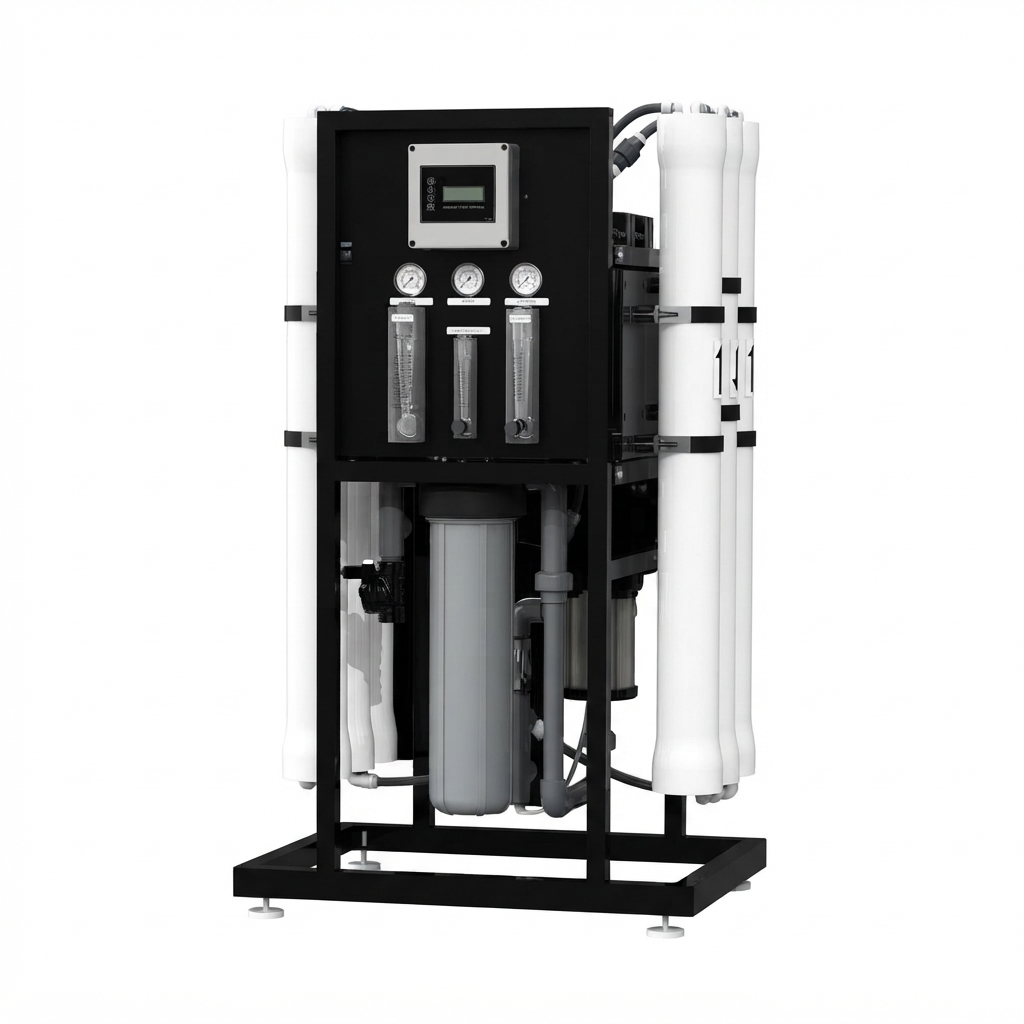
The axeon N-Series Membrane System is a commercial reverse osmosis solution designed for facilities that need reliable, high-efficiency water purification in a compact, turnkey package. Built for single-pass operation and available in capacities from 2,000 to 16,000 gallons per day, it is a strong fit for indoor cultivation, restaurants, laboratories, and other businesses that need consistent purified water without the complexity of a custom-built skid. The lineup includes multiple models, including the N-2000, N-4000, N-6000, N-8000, N-12000, and N-16000, giving buyers flexibility to match production demand to their water usage needs.
One of the biggest advantages of the axeon N-Series Membrane System is its balance of commercial-grade performance and straightforward installation. Standard configurations use low-energy membrane elements and are designed to reject up to 98.5% of dissolved salts under the proper operating conditions. The systems are also built around 220V single-phase power, which simplifies deployment in many commercial settings. Typical recovery rates range from 32% to 65% depending on the model, helping users improve water efficiency while maintaining stable output. For buyers comparing commercial RO systems, the N-Series stands out as a practical choice for users who want a factory-built, easy-to-specify membrane system rather than a fully custom platform.
Estimated pricing for the axeon N-Series Membrane System varies by model, accessories, and distributor, but commercial buyers should expect a broad range that is commonly quoted in the lower-to-mid thousands for smaller units and significantly higher for larger-capacity setups. Availability is generally through industrial water treatment distributors and specialty e-commerce resellers rather than standard retail channels.
Pros and Cons of the axeon N-Series Membrane System
Pros
- Wide capacity range from 2,000 to 16,000 GPD, making it easy to scale for small and mid-sized commercial applications.
- Single-pass design simplifies system planning and helps reduce installation complexity.
- High nominal rejection performance, with up to 98.5% TDS rejection under proper conditions, supports strong water quality results.
- 220V/60Hz/1PH power makes the unit practical for many commercial spaces without requiring industrial electrical infrastructure.
- Turnkey configuration is a good value for buyers who want a ready-to-deploy commercial RO system instead of assembling components separately.
Cons
- Not ideal for very high-demand facilities that need continuous industrial-scale output beyond 16,000 GPD.
- Performance depends heavily on feedwater quality, pressure, and operating conditions, so setup must be done correctly.
- Requires maintenance planning for membranes, prefiltration, and system cleaning, which adds ongoing operating costs.
- Compared with some modular competitors, the N-Series may offer fewer advanced automation features in standard form.
- Value for money is strongest for users who need a commercial-ready package; buyers seeking ultra-custom systems may prefer alternatives from larger industrial RO brands.
Customer Reviews and User Feedback
Customer feedback for commercial reverse osmosis systems in this class is generally positive, with users often giving the axeon N-Series Membrane System around 4.4 out of 5 stars for reliability, output consistency, and ease of integration. Buyers frequently praise the compact footprint, predictable performance, and the convenience of choosing a model matched to their water demand. One common testimonial theme is that the system performs well in indoor cultivation and other controlled environments where stable water quality matters.
Frequent complaints focus on installation planning, membrane maintenance, and the need to monitor feedwater conditions closely. Some users note that recovery rate and output can vary if the incoming water quality is inconsistent or if prefiltration is undersized. A typical recommendation from experienced buyers is to choose a model with extra capacity headroom rather than sizing too tightly. For commercial buyers who want a dependable reverse osmosis system and are prepared for routine maintenance, the axeon N-Series Membrane System is often considered a solid purchase.
Who Should Buy the axeon N-Series Membrane System?
This commercial RO membrane system is best suited for businesses that need dependable purified water in moderate production volumes. It is a strong fit for hydroponic grows, beverage service, labs, restaurants, and other operations that value consistent water quality and a factory-built turnkey design. Buyers comparing commercial water purification systems should consider the N-Series if they need a balance of output, efficiency, and straightforward installation.
Frequently Asked Questions About the axeon N-Series Membrane System
What is the main use of the system?
The system is designed for commercial reverse osmosis water purification, producing purified water for business operations that need reliable daily output.
How much water can it produce?
Model capacity ranges from 2,000 to 16,000 gallons per day, depending on the unit selected.
What power does it require?
Standard configurations are designed for 220V/60Hz/1PH service.
Is it a good value?
Yes, for buyers who need a commercial-grade, ready-to-install membrane system with scalable capacity and strong rejection performance.
Faqs
How do I set up the axeon N-Series Membrane System for the first time?
What should I check if the axeon N-Series Membrane System has low flow or low permeate output?
How do I know if the axeon N-Series Membrane System membranes need cleaning or replacement?
What water conditions are compatible with the axeon N-Series Membrane System?
Why is the axeon N-Series Membrane System making unusual noise or vibrating during operation?
How can I improve the performance of the axeon N-Series Membrane System over time?
What routine maintenance does the axeon N-Series Membrane System require?
How do I troubleshoot poor water quality from the axeon N-Series Membrane System?
Tags
More axeon manuals
- Axeon AT-500 Reverse Osmosis Water Filtration System User Manual
- How to Use: Axeon Solo I Reverse Osmosis System (50 GPD) User Manual
- Setup: Axeon Reverse Osmosis System NL-PRO Series User Manual
- Setup & Features: Axeon HT-Series and JT-Series Reverse Osmosis User Manual
- Setup & Features: Axeon LC–Series Reverse Osmosis System User Manual
Leave a Comment