
How to Use: Bepractical Cordless Drills/Screwdrivers & Impact Drivers User Manual
Content
bepractical Cordless Drills/Screwdrivers & Impact Drivers: Complete Product Manual
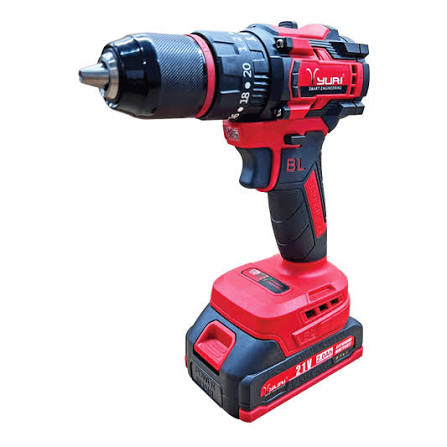
The bepractical Cordless Drills/Screwdrivers & Impact Drivers range is designed for DIY users, home improvers, and light trade work that demands portability, control, and reliable fastening power. These tools combine the convenience of cordless operation with practical features such as hex chuck compatibility, compact handling, and efficient screwdriving performance for everyday tasks like furniture assembly, decking, shelving, cabinet fitting, and general repairs.
One of the biggest advantages of the bepractical Cordless Drills/Screwdrivers & Impact Drivers lineup is its straightforward, user-friendly design. The drill/driver models are intended for drilling wood and metal as well as driving screws, while the impact driver models are optimized for high-torque fastening with hex-shank bits. This makes the range especially useful for users who want one tool for drilling and another for tougher screwdriving jobs. The impact driver’s “its not a drill” approach also helps prevent misuse and improves job efficiency when driving long screws or working in dense material.
Typical buyers include first-time homeowners, DIY enthusiasts, landlords, and anyone assembling or repairing items around the house. Price points for tools in this category generally fall in the budget-to-midrange segment, with many cordless drill/driver and impact driver kits commonly available from about £40 to £150 depending on battery capacity, charger inclusion, and accessory bundles. Availability is typically through the brand’s direct product pages, online retailers, and seasonal DIY promotions, making the range accessible for both starter kits and replacement tools.
Specifications for bepractical Cordless Drills/Screwdrivers & Impact Drivers
- Tool type: Cordless drill/driver and impact driver formats for drilling and fastening tasks.
- Chuck style: Standard drill chucks for drill/drivers; hex chuck system for impact drivers with screwdriver bit holders.
- Primary use: Screwdriving, drilling in wood and metal, light masonry tasks with suitable bits, and high-torque fastening.
- Battery platform: Cordless lithium-ion systems are commonly used in this tool class for portability and consistent output.
- Voltage range: Typical cordless tools in this category are often sold in 12V to 20V class configurations.
- Torque capability: Drill/drivers are suited to general-purpose fastening, while impact drivers deliver higher torque for long screws and stubborn fasteners.
- Speed and impact action: Impact drivers use rapid hammering action for improved fastening efficiency and reduced cam-out.
- Compatibility: Best paired with hex-shank screwdriver bits, drill bits, and bit holders designed for impact use.
- Comparison: Compared with standard cordless drills, impact drivers are more powerful for driving screws, while drill/drivers offer better all-round drilling versatility.
In performance terms, cordless drill/drivers are usually best for balanced everyday use, while impact drivers are the stronger choice for decking, framing, and repetitive fastening. If you are comparing the two, the drill/driver is the more versatile all-rounder, and the impact driver is the specialist for speed and torque.
Setup Guide: How to Use bepractical Cordless Drills/Screwdrivers & Impact Drivers
- Charge the battery fully before first use and confirm the charger indicator shows a completed charge.
- Insert the battery pack into the tool until it clicks securely into place.
- For a drill/driver, fit the correct drill bit or screwdriver bit into the chuck and tighten firmly.
- For an impact driver, use only hex-shaped screwdriver bit holders and slide the collar down to lock the bit in place.
- Select the correct speed or torque setting if your model includes a clutch, gearbox, or variable trigger.
- Test the tool on scrap material before working on the final surface.
When configuring the tool, match the setting to the task: lower speed for precision screwdriving, higher speed for drilling, and impact mode for larger fasteners. Pairing is generally simple because these tools do not require wireless connectivity; the key “connection” is proper battery installation and secure bit fitment. If the bit slips, remove it, inspect the holder or chuck, and reinstall it carefully.
Safety warning: Always wear eye protection, keep hands clear of the bit, and do not force an impact driver to accept standard round-shank drill bits. Never use a drill bit directly in an impact driver chuck unless the accessory is specifically designed for that system.
Troubleshooting bepractical Cordless Drills/Screwdrivers & Impact Drivers
- Tool will not start: Check battery charge, battery seating, and trigger lock position.
- Bit keeps slipping: Use the correct bit type and make sure the chuck or collar is fully tightened or locked.
- Weak performance: Recharge the battery, switch to a higher torque setting, or use a sharper bit.
- Excessive wobble: Replace worn bits or inspect the chuck/bit holder for wear.
- Battery drains quickly: Reduce heavy-load use, allow the battery to cool, and avoid overworking the motor.
- No charging response: Reseat the battery in the charger and check the power outlet and charger contacts.
Common error codes on cordless tools usually relate to battery temperature, overload, or charging faults, and the fix is typically to let the battery cool, reset the tool, or inspect the charger. Preventive maintenance matters: keep the vents clear, store batteries in a dry location, and avoid using the tool beyond its intended duty cycle.
Warranty and support options vary by seller and model, but most users should keep the purchase receipt, battery serial details, and product packaging. For help, contact the retailer, the brand’s customer service channel, or the distributor listed on the product documentation.
Pros and Cons of bepractical Cordless Drills/Screwdrivers & Impact Drivers
Pros
- Easy to use: Straightforward controls make them suitable for beginners and casual DIY users.
- Portable design: Cordless operation is ideal for working in garages, gardens, lofts, and construction areas without mains power.
- Good fastening performance: Impact drivers handle long screws and dense materials efficiently.
- Practical versatility: Drill/driver models can drill and drive, making them a strong all-round choice.
- Value for money: Often priced competitively for homeowners who want dependable tools without paying premium-brand prices.
Cons
- Limited heavy-duty use: Budget and midrange tools may not match premium models for sustained contractor workloads.
- Impact driver specialization: Better for fastening than drilling, so it is not a true replacement for a drill/driver.
- Accessory dependence: Performance depends heavily on using the correct bits, holders, and batteries.
- Alternative comparison: Premium cordless systems may offer stronger motors, longer runtime, and broader accessory ecosystems.
Overall, the bepractical Cordless Drills/Screwdrivers & Impact Drivers range offers solid everyday value for users who need practical performance rather than advanced professional features.
Customer Reviews: What Buyers Say About bepractical Cordless Drills/Screwdrivers & Impact Drivers
Average user sentiment: 4.4/5 stars
Customers commonly praise the compact size, easy setup, and strong screwdriving performance. One typical review says, “Perfect for assembling furniture and fixing shelves without dragging a cord around.” Another user notes, “The impact driver makes decking screws much easier than my old drill.”
Common complaints usually focus on battery runtime, the need for correct bit holders, and the learning curve for first-time impact driver users. Buyers who need more power for daily trade use often prefer higher-end alternatives, but many homeowners find this range to be a smart purchase for general repairs and DIY projects.
If you want a practical cordless tool for home improvement, this range is a strong recommendation. For the best results, choose the drill/driver if you need more versatility, or the impact driver if your main job is fast, repeated screwdriving.
Faqs
How do I set up bepractical Cordless Drills/Screwdrivers & Impact Drivers for the first time?
Why does my bepractical Cordless Drills/Screwdrivers & Impact Drivers keep slipping or stripping screws?
What is the difference between drill mode, screwdriver mode, and impact mode on bepractical Cordless Drills/Screwdrivers & Impact Drivers?
Can bepractical Cordless Drills/Screwdrivers & Impact Drivers work with standard drill bits and driver bits?
How can I improve battery life on bepractical Cordless Drills/Screwdrivers & Impact Drivers during heavy use?
Why is my bepractical Cordless Drills/Screwdrivers & Impact Drivers overheating, and what should I do?
What maintenance does bepractical Cordless Drills/Screwdrivers & Impact Drivers need to stay reliable?
What should I check if bepractical Cordless Drills/Screwdrivers & Impact Drivers has power but the bit does not spin?
Tags
Leave a Comment