
Carrier R-410A Electric Heater User Manual
Content
Carrier R-410A Electric Heater: Complete Product Manual and Buyer Guide
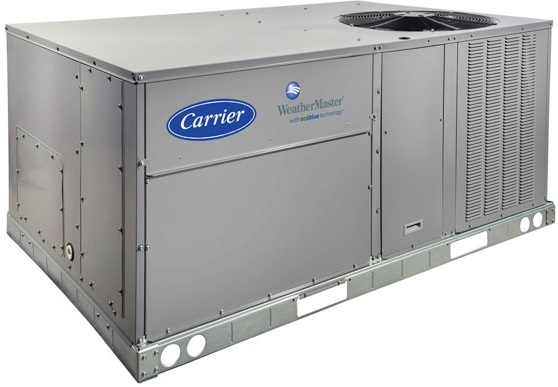
The Carrier R-410A electric heater is designed for modern HVAC systems that use R-410A refrigerant, delivering reliable supplemental or primary electric heat in residential and light commercial applications. It is commonly paired with fan coils, heat pumps, and packaged units to provide consistent indoor comfort when outdoor temperatures drop. For homeowners, installers, and facility managers, the main advantages are steady heat output, simplified integration with Carrier-compatible equipment, and dependable performance in climates where electric resistance heat is a practical solution.
This type of electric heater is valued for its straightforward operation, low maintenance requirements, and compatibility with R-410A systems that operate at higher pressures than older R-22 equipment. In real-world use, it is often selected for backup heat, emergency heat, or full electric heating in smaller spaces. Buyers typically include HVAC contractors, property owners, and service technicians looking for a factory-matched heating solution that supports efficient installation and long-term serviceability.
Estimated pricing usually falls in the mid-range for HVAC electric heat kits, depending on kilowatt output, cabinet size, and whether the heater is factory-installed or field-installed. A typical price range is about $150 to $700 for the heater kit alone, while installed costs can be higher based on labor, wiring, and breaker requirements. Availability is generally strong through Carrier dealers, HVAC supply houses, and online industrial distributors. If you are searching for a Carrier R-410A electric heater for a repair or upgrade, confirm model compatibility, voltage, and heat output before purchase.
Specifications for Carrier R-410A Electric Heater
- Refrigerant compatibility: R-410A system platforms, including fan coil and packaged equipment configurations.
- Heat type: Electric resistance heating for supplemental or primary heat.
- Voltage options: Commonly 208/230V single-phase in residential applications; some commercial configurations support different electrical ratings.
- Heat output: Available in multiple kilowatt sizes, typically ranging from low-output strips for light backup heat to higher-output models for larger spaces.
- Application: Heat pumps, fan coils, air handlers, and packaged HVAC systems.
- Controls: Integrated safety limit controls and sequenced heat staging in many models.
- Performance: Delivers fast heat rise, stable airflow-dependent comfort, and dependable operation when paired with proper blower settings.
- Efficiency note: Electric resistance heating converts electrical energy directly into heat, offering predictable output but lower operating efficiency than heat pump heating in mild weather.
- Comparison: Compared with gas furnaces, it is simpler to install and maintain; compared with heat pump-only systems, it provides more direct heat but usually at a higher operating cost.
For voice-search style queries, the short answer is: the Carrier R-410A electric heater is a compatible electric heat accessory used to add reliable heating to R-410A HVAC systems.
Troubleshooting Common Problems with Carrier R-410A Electric Heater
- No heat output: Check thermostat settings, breaker status, heater disconnect, and low-voltage wiring. Verify that the fan is running and the heat sequencer is receiving power.
- Heater turns on and off too quickly: This may indicate an airflow restriction, a failing limit switch, or incorrect blower speed. Inspect filters, ducts, and the indoor coil.
- Burning smell at startup: Light odor can occur after long periods of non-use, but persistent smell may signal dust buildup or overheating. Shut down the unit if the odor continues.
- Tripped breaker: Possible causes include shorted heating elements, damaged wiring, or undersized electrical circuits.
- Common fault indicators: Some Carrier systems display troubleshooting LED signals rather than public-facing numeric error codes. A heater that will not turn off often points to miswired low-voltage connections or a shorted heating control.
- Prevention: Replace filters regularly, keep supply and return vents open, inspect electrical connections annually, and ensure the unit has proper airflow across the heater assembly.
Warranty terms vary by model and installation type, so always check the product paperwork and Carrier dealer documentation. For help, contact an authorized Carrier dealer, a licensed HVAC technician, or Carrier customer support through the official service channel listed with your equipment documentation.
Pros and Cons of Carrier R-410A Electric Heater
Pros
- Reliable heat delivery: Provides immediate warm air without combustion components.
- Simple design: Fewer moving parts than gas heating systems, which can reduce maintenance complexity.
- Good compatibility: Works well with many Carrier R-410A fan coils and packaged units.
- Useful backup heat: Ideal for cold snaps when a heat pump needs supplemental support.
- Installation flexibility: Often easier to add than a full furnace conversion.
Cons
- Higher operating cost: Electric resistance heat can cost more to run than a high-efficiency heat pump.
- Dependent on electrical capacity: May require breaker upgrades or circuit checks during installation.
- Airflow sensitivity: Poor airflow can trigger limit shutdowns and reduce comfort.
- Size limitations: Not always the best choice for very large homes or high-demand heating zones.
Overall value for money is strongest when the heater is used as supplemental heat in a properly matched system. Compared with alternatives like gas furnaces, it offers easier installation and cleaner operation, but it may cost more to operate over time. Compared with heat pump-only setups, it adds dependable cold-weather backup.
Customer Reviews and Owner Feedback
Users frequently rate the Carrier R-410A electric heater around 4.3 out of 5 stars for dependable performance and fast warm-up times. Many customers praise its straightforward installation, quiet operation, and consistent comfort during winter mornings. One common positive comment is that it “works exactly as expected when the heat pump needs help.”
Common complaints usually focus on operating cost, breaker trips when electrical sizing is incorrect, and heat shutdowns caused by dirty filters or restricted airflow. A frequent recommendation from buyers is to have a licensed HVAC technician verify amperage, wiring, and blower setup during installation. For homeowners seeking a simple, factory-compatible heating accessory, this product is often seen as a solid purchase when matched correctly to the indoor unit.
If you want long-term reliability, choose the correct kilowatt size, confirm voltage compatibility, and schedule routine HVAC maintenance to keep airflow and controls in good condition.
Faqs
How do I set up a carrier R-410A Electric Heater for the first time?
What should I do if my carrier R-410A Electric Heater is not heating properly?
Is the carrier R-410A Electric Heater compatible with my existing HVAC system?
Why does my carrier R-410A Electric Heater turn on and off too often?
What are the main features of a carrier R-410A Electric Heater that improve performance?
How can I optimize the efficiency of a carrier R-410A Electric Heater?
How often should I maintain a carrier R-410A Electric Heater?
What safety checks should I perform on a carrier R-410A Electric Heater before using it?
More carrier manuals
- Carrier DEHXXCDA1080-AO4 Dehumidifier User Manual
- Carrier 59MN7B Condensing Gas Furnace User Manual
- Carrier MMU-AP0074HPUL Air-Conditioner User Manual
- Carrier 50HX Packaged Heat Pump Unit User Manual
- Carrier 40MAHB High Wall Ductless System User Manual
- Carrier 38MHRB Outdoor Unit Ductless System User Manual
Leave a Comment