
Cat Pumps 280 Series Piston Pump User Manual
Content
Cat Pumps 280 Series Piston Pump: High-Pressure Triplex Performance for Demanding Applications
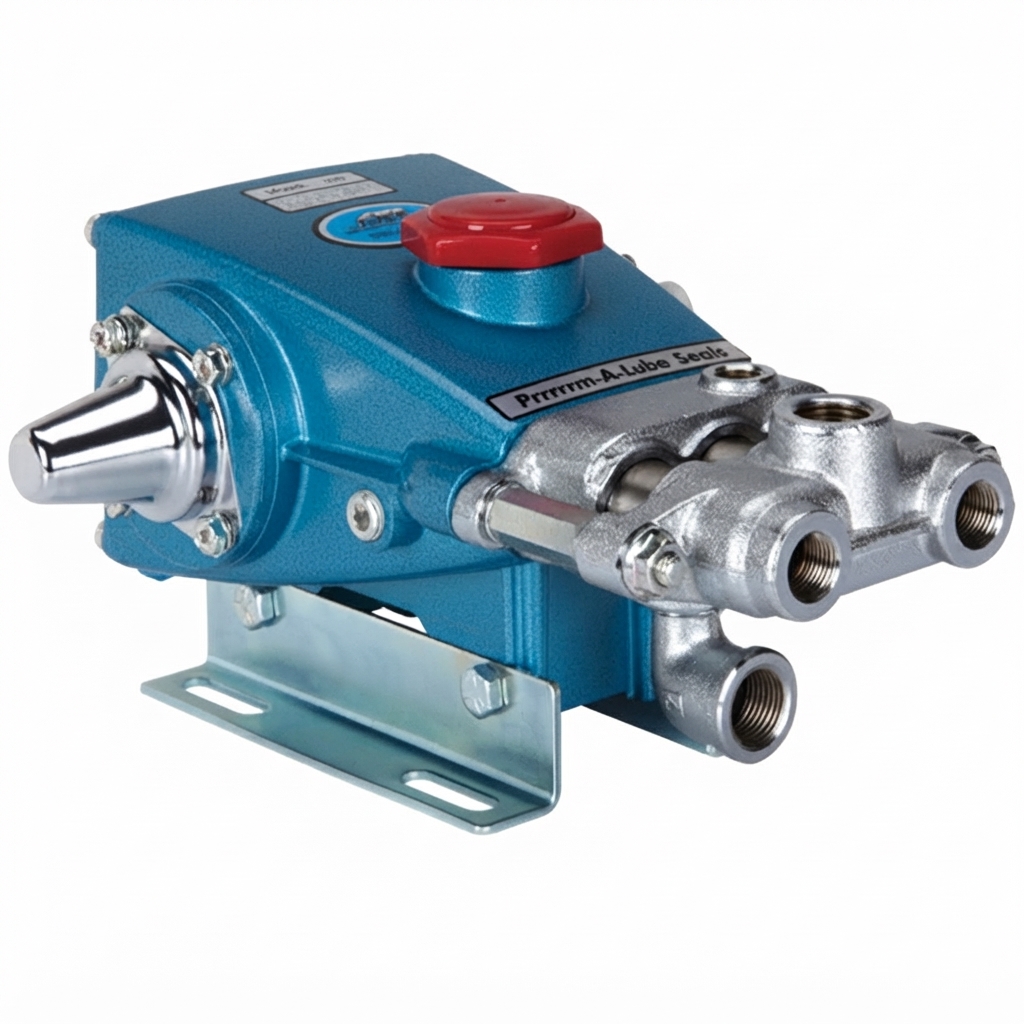
The cat pumps 280 Series Piston Pump is a compact, heavy-duty triplex piston pump designed for reliable high-pressure performance in industrial and commercial systems. Built around a brass pump head with stainless steel valves and chrome-plated wear components, it is engineered for long service life, stable output, and efficient operation in applications where consistent pressure matters. With a maximum flow rate of 3.0 GPM and pressure capability up to 1000 PSI, this model is a strong fit for pressure cleaning, wash systems, fluid transfer, and other medium-duty pumping tasks.
One of the biggest advantages of the cat pumps 280 Series Piston Pump is its balance of durability and simplicity. The triplex reciprocating design helps reduce pulsation, while solid ceramic plungers and corrosion-resistant internals support dependable performance over time. It is also available with multiple seal options, including standard nitrile and upgraded chemical- or temperature-resistant variants, making it easier to match the pump to the working environment.
This pump is best suited for equipment builders, maintenance teams, pressure washing professionals, and industrial users who need a proven pump end rather than a lightweight consumer unit. Typical pricing generally falls in the roughly $990 to $1,110 range, depending on the seller, configuration, and seal package. Availability is strong through industrial pump distributors and authorized equipment resellers.
Technical Specifications for Cat Pumps 280 Series Piston Pump
- Pump type: Triplex, positive displacement, reciprocating piston pump
- Maximum flow: 3.0 GPM / 11.4 LPM
- Maximum pressure: 1000 PSI / 69 bar
- Operating speed: 1330 RPM
- Inlet port: 1/2" NPT(F)
- Discharge port: 3/8" NPT(F)
- Bore: 0.787 in / 20 mm
- Stroke: 0.394 in / 10 mm
- Weight: 11.7 lb / 5.3 kg
- Inlet pressure range: -8.5 to 40 PSI / -0.6 to 2.8 bar
- Maximum fluid temperature: up to 160°F / 71°C on standard configurations
- Construction: Chrome-plated brass manifold, 304 stainless steel valve assemblies, chrome-plated 304 stainless steel sleeves and cylinders
In real-world use, the pump is known for stable output at moderate pressure and compact installation size. Compared with smaller single-cylinder pumps, the triplex design provides smoother flow and better durability. Compared with larger Cat Pumps models, the 280 Series offers a more affordable and space-efficient option while still delivering professional-grade pressure capability.
Pros and Cons of the Cat Pumps 280 Series Piston Pump
Pros
- Durable construction: Brass, stainless steel, and ceramic components help resist wear in demanding applications.
- Compact and lightweight: At 11.7 lb, it is easier to integrate into skid systems and service rigs than larger industrial pumps.
- Good pressure range: The 100 to 1000 PSI operating window supports many cleaning and transfer tasks.
- Flexible seal options: Available seal materials make it easier to handle heat or chemical exposure.
- Reliable brand reputation: Cat Pumps is widely respected for long-life industrial pump designs.
Cons
- Not for very high-volume applications: 3.0 GPM is adequate for many jobs, but not ideal for heavy commercial throughput.
- Higher upfront cost: It is more expensive than many entry-level piston pumps, though the build quality supports the premium.
- Pump-end only in many listings: Buyers may need to source the motor, drive system, and accessories separately.
- Best for matched systems: Performance depends on correct RPM, drive selection, and pressure setup.
For buyers comparing options, the cat pumps 280 Series Piston Pump usually offers better long-term value than budget pumps because it is built for serviceability and consistent output. However, users needing higher flow rates may want to consider larger Cat Pumps piston models.
Customer Reviews and User Feedback on Cat Pumps 280 Series Piston Pump
Customer feedback for the cat pumps 280 Series Piston Pump is generally positive, with many users praising its reliability and build quality. Average sentiment commonly lands around 4.6/5 stars in distributor listings and product discussions.
- Praise: Users often describe the pump as “solid,” “long-lasting,” and “easy to integrate into existing pressure systems.”
- Praise: Many appreciate the smooth triplex operation and consistent pressure delivery in daily use.
- Complaint: Some buyers note the price is higher than comparable generic pumps.
- Complaint: A few users mention that replacement parts and proper setup knowledge are important for best results.
- Purchase tip: It is a strong choice for professionals who value uptime, but casual users may find it more pump than they need.
Overall, reviews suggest the pump is a smart purchase for users who want dependable performance and are willing to pay for quality. For buyers comparing the cat pumps 280 Series Piston Pump with lower-cost alternatives, the main advantage is fewer compromises in durability and service life.
Faqs
How do I set up the cat pumps 280 Series Piston Pump for the first time?
What are the most common installation mistakes with a cat pumps 280 Series Piston Pump?
Why is my cat pumps 280 Series Piston Pump losing pressure during operation?
What should I do if the cat pumps 280 Series Piston Pump is vibrating or making unusual noise?
Which systems and applications are compatible with the cat pumps 280 Series Piston Pump?
How often should I perform maintenance on a cat pumps 280 Series Piston Pump?
What oil should I use in the cat pumps 280 Series Piston Pump crankcase?
How can I improve the performance and lifespan of a cat pumps 280 Series Piston Pump?
Tags
Leave a Comment