
Charlotte Cast Iron User Manual
Content
Charlotte Cast Iron Manual: Overview, Features, and Buying Guide
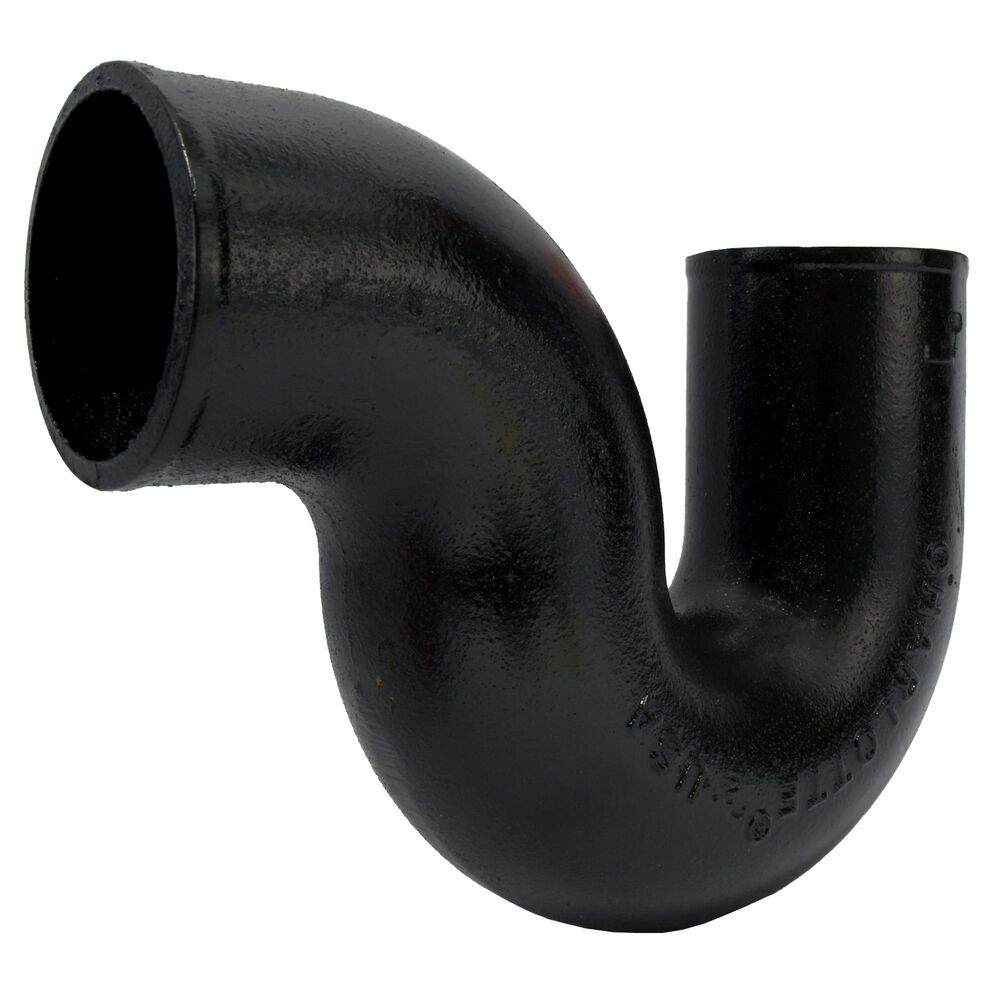
Charlotte Cast Iron is a widely used plumbing material line from Charlotte Pipe and Foundry, best known for drain, waste, and vent applications in residential, commercial, and light industrial projects. It is commonly chosen for no-hub pipe, fittings, soil pipe, elbows, traps, and specialty connectors because of its durability, fire resistance, and dependable long-term performance. For buyers searching for a reliable cast iron plumbing solution, Charlotte Cast Iron offers a strong balance of strength, code-friendly construction, and broad compatibility with standard DWV systems.
One of the biggest advantages of Charlotte Cast Iron is its rugged build. Cast iron piping is valued for noise reduction, vibration control, and resistance to impact, making it ideal for multi-story buildings, remodels, and high-use drainage systems. The product line includes common sizes such as 2-inch and 4-inch fittings as well as longer no-hub pipe sections, which makes planning and installation easier for plumbers and contractors. Many Charlotte Pipe cast iron products are also NSF approved and built to recognized standards for sanitary and storm drainage use.
Estimated pricing varies by product type and size. Smaller fittings may cost around the single-digit to low double-digit range, while larger specialty fittings and pipe sections can run from roughly $70 to over $100 per piece, depending on supplier and availability. Charlotte Cast Iron is generally available through plumbing supply houses, online industrial retailers, and major home improvement stores. It is a practical choice for professionals who need consistent quality and for property owners who want a long-lasting plumbing upgrade.
Pros & Cons of Charlotte Cast Iron
Pros
- Durable construction: Cast iron provides excellent strength and long service life for drainage systems, especially in demanding installations.
- Noise reduction: Compared with PVC, Charlotte Cast Iron helps reduce water-flow noise, which is valuable in apartments, hotels, and office buildings.
- Broad product range: The line includes no-hub pipe, elbows, traps, wyes, tees, and other DWV fittings for flexible system design.
- Professional-grade compatibility: It works well in code-driven plumbing applications and is a trusted alternative to plastic piping where sound control and fire resistance matter.
- Good long-term value: While upfront pricing is higher than PVC, the longevity and performance can justify the investment over time.
Cons
- Higher cost: Charlotte Cast Iron is more expensive than PVC or ABS, especially for larger pipe runs.
- Heavier material: Installation requires more effort, support, and often more labor than lighter plastic alternatives.
- Specialized handling: Cutting, joining, and supporting cast iron typically requires more experience and the right tools.
- Best for specific use cases: It is often overkill for simple residential drainage where lower-cost alternatives may be sufficient.
For buyers comparing plumbing materials, Charlotte Cast Iron is strongest when noise control, fire safety, and long-term durability are priorities. PVC remains cheaper and easier to install, while cast iron is often the better value in high-traffic buildings or premium remodels where performance matters more than initial cost.
Customer Reviews: What Buyers Say About Charlotte Cast Iron
Customer feedback for Charlotte Cast Iron is generally positive, with many buyers rating it around 4.5 out of 5 stars for durability, fit, and reliable performance. Plumbers often praise the consistent dimensions and solid build quality, especially for no-hub fittings and pipe sections used in DWV systems.
- Praise: “Strong, dependable, and easy to trust on commercial jobs.”
- Praise: “Excellent sound control compared with plastic pipe.”
- Complaint: “Heavier and more expensive than PVC, so budget matters.”
- Complaint: “Installation takes more effort and skill than expected.”
Most users recommend Charlotte Cast Iron for projects where longevity and quiet operation are important. Buyers who want the lowest upfront price may prefer PVC, but those upgrading a home, apartment, or commercial drain line often consider Charlotte Cast Iron worth the investment. Common issues mentioned in reviews usually relate to weight, shipping costs, and the need for experienced installation rather than product quality itself.
Is Charlotte Cast Iron Worth Buying?
If you need a dependable cast iron plumbing solution for drain, waste, and vent systems, Charlotte Cast Iron is a strong choice. It offers the performance, durability, and professional-grade reliability expected from a leading plumbing brand, making it well suited for contractors, builders, and homeowners doing high-quality renovations.
For simple low-cost plumbing projects, PVC may be the better option. For sound-sensitive, code-focused, or long-life installations, Charlotte Cast Iron delivers excellent value and remains one of the most trusted names in cast iron plumbing materials.
Faqs
How do I set up charlotte Cast Iron for the first time without damaging the surface?
What is the best way to season charlotte Cast Iron for nonstick performance?
Why is food sticking to my charlotte Cast Iron, and how can I fix it?
Can charlotte Cast Iron be used on induction cooktops, gas stoves, and ovens?
How do I prevent rust on charlotte Cast Iron after washing?
What cooking methods work best with charlotte Cast Iron for better heat retention?
How often should I re-season charlotte Cast Iron to keep it in good condition?
What should I do if charlotte Cast Iron develops uneven heat or hot spots during cooking?
Tags
Leave a Comment