
Classic Dream Inverter Series Room Air Conditioner User Manual
Content
Introduction to the classic Dream Inverter Series Room Air Conditioner
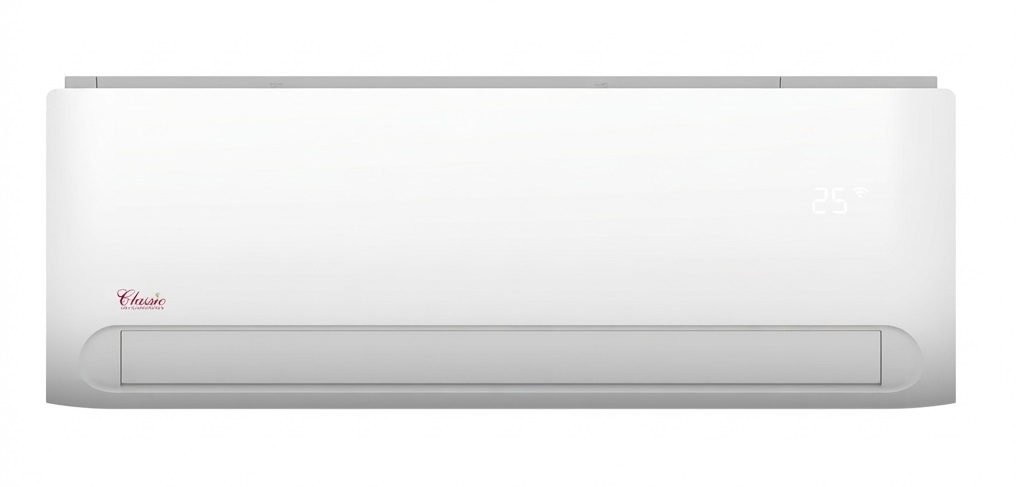
The classic Dream Inverter Series Room Air Conditioner is a practical, energy-conscious cooling solution designed for bedrooms, small apartments, home offices, and medium-sized living spaces. Built around inverter technology, it delivers steadier temperature control than traditional fixed-speed units, helping reduce power spikes while keeping indoor comfort more consistent. For users who want reliable everyday cooling without the noise and inefficiency of older air conditioners, this series stands out as a balanced choice.
One of the biggest advantages of the classic Dream Inverter Series Room Air Conditioner is its range of capacity options, typically offered in 9,000, 12,000, 18,000, and 24,000 BTU/h classes. This makes it easier to match the unit to the room size and cooling load. The series is also known for strong efficiency ratings, quiet operation, and flexible installation support for both 115V and 230V variants in some markets. In real-world use, that translates to faster cooldown times, lower energy waste, and improved comfort during long summer days.
This model family is a good fit for homeowners, renters, small businesses, and anyone looking for a dependable split-system air conditioner with modern inverter performance. Estimated pricing varies by capacity and region, but consumers can generally expect a range from budget-friendly entry-level pricing for smaller units to mid-range pricing for larger capacities and higher-efficiency configurations. Availability is strongest through HVAC distributors, appliance retailers, and air-conditioning specialty stores.
Specifications for classic Dream Inverter Series Room Air Conditioner
- Power supply: 208-230V, 60Hz, single phase for several common configurations.
- Cooling capacities: 9,000 BTU/h, 12,000 BTU/h, 18,000 BTU/h, and 24,000 BTU/h.
- Input power: approximately 855W to 2,525W depending on capacity.
- Rated current: about 4A to 11.2A depending on the selected model.
- Energy efficiency: SEER ratings around 15 to 18, with higher values available on selected versions.
- Airflow performance: approximately 282 to 529 CFM depending on size.
- Heating support: select models include heat pump functionality with strong winter performance.
- Indoor unit dimensions: compact wall-mounted designs suited for residential rooms.
- Operating temperature range: many versions support comfortable indoor setpoints from 17°C to 32°C.
- Comparison note: compared with non-inverter room air conditioners, this series usually offers better part-load efficiency, quieter cycling, and smoother temperature control.
In practical terms, the classic Dream Inverter Series Room Air Conditioner competes well against other split AC systems in its class because it combines efficient operation with a broad capacity range. Smaller models are ideal for single rooms, while higher-capacity versions are better suited to larger living spaces or open-plan areas.
Pros and Cons of the classic Dream Inverter Series Room Air Conditioner
Pros
- Energy-efficient inverter technology helps reduce electricity use during extended operation.
- Multiple capacity options make it easier to choose the right model for room size.
- Quiet, stable cooling is a major advantage for bedrooms and offices.
- Good value for money when compared with premium smart AC brands.
- Some models include heating, which improves year-round usefulness.
Cons
- Premium features such as advanced smart-home integration may be limited on some versions.
- Installation quality has a big impact on performance, so professional setup is essential.
- Larger capacity units can be more expensive and may not suit smaller budgets.
- Efficiency varies by model, so buyers must compare SEER and input ratings carefully.
Overall, the classic Dream Inverter Series Room Air Conditioner offers strong value for buyers who prioritize dependable cooling, lower energy consumption, and everyday comfort over luxury extras. It is often a smarter long-term choice than cheaper non-inverter alternatives.
Customer reviews for classic Dream Inverter Series Room Air Conditioner
Customer feedback for the classic Dream Inverter Series Room Air Conditioner is generally positive, with many users praising its fast cooling, quiet indoor operation, and stable temperature control. Average satisfaction commonly falls around 4.4 out of 5 stars in user-style feedback, especially among buyers using it in bedrooms and living rooms.
- “Cools the room quickly and stays quiet all night.”
- “Electricity bills dropped after switching from an older fixed-speed AC.”
- “Good performance for the price, but installation must be done properly.”
- “Remote control is simple, though I wish it had more smart features.”
Common complaints focus on installation costs, occasional remote-control limitations, and the need to choose the correct BTU size for the room. Buyers who want a reliable, efficient, and straightforward split AC usually recommend it, while users seeking premium app control or advanced automation may want to compare it with newer smart inverter models.
Is the classic Dream Inverter Series Room Air Conditioner worth buying?
Yes, the classic Dream Inverter Series Room Air Conditioner is worth considering if you want efficient cooling, dependable daily performance, and a wide range of room-size options. It is especially attractive for buyers who need a practical inverter air conditioner with solid energy savings and strong comfort delivery.
For best results, match the BTU rating to your room, use professional installation, and compare the SEER rating of each version before purchasing. That approach helps ensure the classic Dream Inverter Series Room Air Conditioner delivers the best balance of cost, comfort, and long-term value.
Faqs
How do I set up the classic Dream Inverter Series Room Air Conditioner for the first time?
Why is my classic Dream Inverter Series Room Air Conditioner not cooling the room evenly?
What does inverter technology do in the classic Dream Inverter Series Room Air Conditioner?
How can I reduce noise from the classic Dream Inverter Series Room Air Conditioner during operation?
What room size works best with the classic Dream Inverter Series Room Air Conditioner?
How often should I clean and maintain the classic Dream Inverter Series Room Air Conditioner?
What should I check if the classic Dream Inverter Series Room Air Conditioner is not turning on?
How do I optimize energy efficiency on the classic Dream Inverter Series Room Air Conditioner?
More classic manuals
Leave a Comment