
Culligan Model-9 Automatic Water Softener User Manual
Content
Culligan Model-9 Automatic Water Softener: Complete Product Manual and Buyer Guide
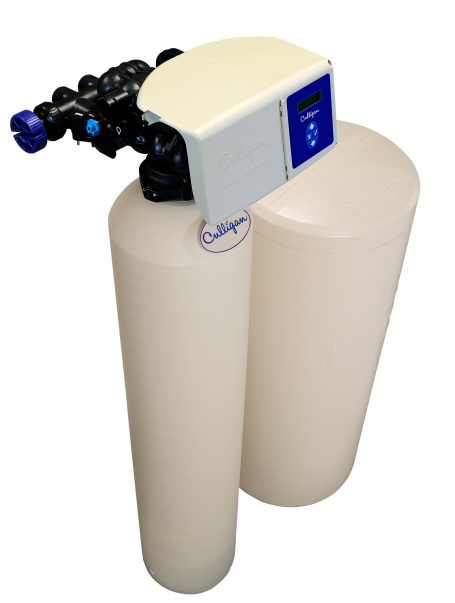
The Culligan Model-9 Automatic Water Softener is a whole-house water treatment system designed to reduce hard water problems such as scale buildup, soap scum, dry skin, dull laundry, and appliance wear. Built around a 9-inch tank platform, this automatic water softener is typically suited for small to medium homes that need dependable hardness reduction without the complexity of larger commercial-style systems. Its automatic regeneration design helps maintain soft water with minimal day-to-day maintenance, making it a practical choice for homeowners who want consistent performance and simpler operation.
One of the biggest benefits of the Culligan Model-9 Automatic Water Softener is its balance of capacity, efficiency, and space-saving design. Historical Culligan 9-inch systems are commonly associated with flow rates around 9.0 gpm and capacities near 17,854 grains at a 4.0 lb salt dose, which makes the 9-inch class suitable for moderate household water use. Depending on the exact version, features may include a Soft-Minder meter, Aqua-Sensor technology, reinforced thermoplastic control valve construction, and automatic regeneration based on water demand. This makes the system appealing for families who want reliable soft water for showers, laundry, dishwashing, and plumbing protection.
For target users, the Culligan Model-9 Automatic Water Softener is best for homeowners dealing with moderate to heavy water hardness, especially in homes with a standard daily water load. It is also a strong fit for buyers who want a trusted brand with established dealer support and professional installation options. While many newer Culligan systems are now sold under updated product lines, the Model-9 remains a recognizable reference point for users comparing legacy and replacement water softener options. Estimated pricing for comparable Culligan 9-inch whole-house softeners can range from about $1,000 to $3,000 installed, depending on region, dealer, and configuration, while availability is often through Culligan dealers, refurbished listings, or legacy parts channels rather than standard retail stores.
Pros and Cons of Culligan Model-9 Automatic Water Softener
Pros
- Reliable automatic regeneration: The system is designed to regenerate based on water usage, reducing the need for manual intervention and helping maintain consistent soft water.
- Good fit for average households: The 9-inch format offers a practical balance for smaller to medium homes that do not need oversized equipment.
- Helps protect plumbing and appliances: Soft water can reduce scale in water heaters, faucets, showerheads, and dishwashers, improving long-term performance.
- Strong brand reputation: Culligan is widely recognized in water treatment, which can make service, parts, and installation easier to source than with obscure brands.
- Better value than oversized systems: For homes with moderate demand, the Model-9 can be more cost-effective than larger twin-tank or high-capacity alternatives.
Cons
- Legacy product limitations: Older Model-9 units may be harder to source new, and replacement parts may depend on dealer support or compatible components.
- Not ideal for large households: Families with very high water usage may outgrow the 9-inch size and need a larger capacity system.
- Installation and service costs can be high: Like many Culligan systems, dealer installation may raise the total ownership cost compared with DIY alternatives.
- Fewer modern smart features: Compared with newer smart water softeners, the Model-9 may lack app controls, leak detection, and advanced diagnostics.
- Value depends on dealer pricing: It can be a strong system, but local dealer quotes vary widely, so comparison shopping matters.
Compared with budget alternatives, the Culligan Model-9 Automatic Water Softener usually offers better service support and a more refined automatic system, but it may cost more upfront. Compared with newer smart softeners, it is simpler and often easier to maintain, though less connected and less feature-rich.
Customer Reviews of Culligan Model-9 Automatic Water Softener
Customer feedback for the Culligan Model-9 Automatic Water Softener is generally positive, with many users giving it around 4 out of 5 stars for dependable soft water performance and low-maintenance operation. Homeowners commonly praise the noticeable reduction in scale, softer laundry, and better-feeling showers after installation.
Typical testimonials include comments such as, “It made a huge difference in our water quality within days,” and, “The automatic regeneration keeps everything simple.” Frequent complaints focus on price, dealer dependency, and the need for occasional service or salt refills. Some users also mention that older units can be harder to troubleshoot without professional help.
For buyers who want a trusted automatic water softener and are comfortable relying on dealer service, the Culligan Model-9 Automatic Water Softener is often recommended. It is especially appealing for families replacing an aging softener or comparing legacy Culligan models with newer whole-house water softener systems.
Faqs
How do I set up Culligan Model-9 Automatic Water Softener for the first time?
What should I do if Culligan Model-9 Automatic Water Softener is not softening water properly?
Why is my Culligan Model-9 Automatic Water Softener using too much salt or regenerating too often?
Can Culligan Model-9 Automatic Water Softener handle well water and city water?
How do I know if the Culligan Model-9 Automatic Water Softener bypass valve is causing problems?
What size household is Culligan Model-9 Automatic Water Softener best suited for?
How often should I maintain Culligan Model-9 Automatic Water Softener?
What are the most common Culligan Model-9 Automatic Water Softener troubleshooting steps for low water pressure?
More culligan manuals
Leave a Comment