
Dr Graeme Vibration Massage Gun User Manual
Content
Overview
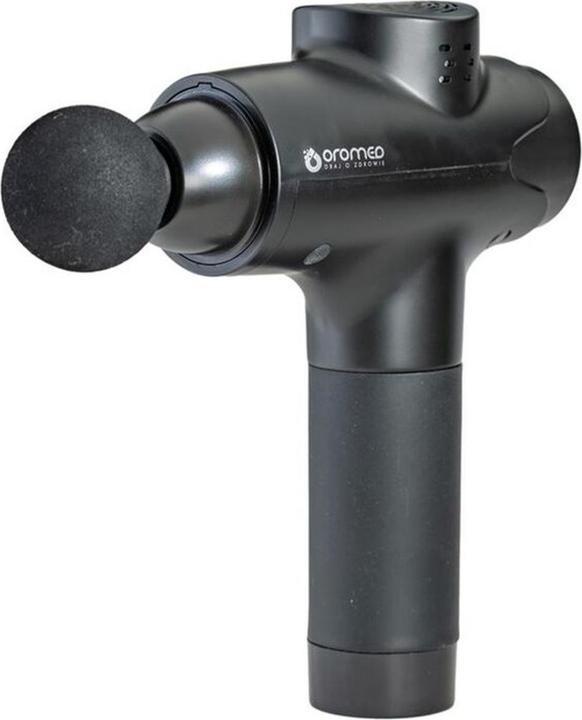
The Vibration Massage Gun is a handheld recovery tool designed to combine high-frequency vibration with a massage head that can also create some level of pressure and tissue movement. In practical use, it is best suited for sports recovery, flexibility work, and short sessions aimed at easing muscle tightness after exercise.
This guide is most useful for athletes, fitness users, therapists, and anyone comparing a massage gun against more traditional vibration devices. The main takeaway is that the vibration component does most of the useful work, while deeper percussion-style penetration can reduce comfort and may limit the quality of the vibration effect.
Specifications
- Model type: handheld vibration and percussion massage device
- Operating frequency examples in the reviewed evidence: 30 Hz, 40 Hz, 53 Hz, and higher research settings up to 180 Hz
- Head travel examples in the reviewed evidence: 10 mm, 12 mm, 14 mm, and 16 mm
- Common head styles mentioned: ball head, flat head, soft damper head, standard head, sponge probe
- Typical use duration in trials: short applications, repeated recovery sessions, or 15-minute therapy blocks
- Power source: battery-powered handheld unit
- Primary use: vibration massage, recovery support, range-of-motion work, and muscle relaxation
Detailed description
A Vibration Massage Gun works as a hybrid device. It borrows the basic idea of vibration therapy, then adds a percussion-style moving head that can press into tissue. In theory, that combination can improve how the device is used on the body, but in practice there is a trade-off: the more the head drives into muscle, the less effective the vibration transfer tends to be.
Different head shapes change the result. Flat or damped heads tend to spread force across a larger surface, which improves vibration transfer and reduces aggressive penetration. Ball heads can be used more gently or at an angle to reduce depth while still delivering vibration. Harder or more pointed heads create more pressure, but they also shift the device away from the most useful therapeutic vibration.
Head travel matters as well. A larger stroke length, such as 16 mm, is built for penetration, while a smaller movement is closer to a dedicated vibration massager. In the reviewed evidence, the best outcomes usually came from setups that leaned toward vibration rather than deep percussion.
How the device is held also changes the effect. Slow movement along a muscle can help, but moving too quickly reduces the time vibration has to “soak in.” Holding the head at an angle or using light pressure reduces penetration and makes the treatment more vibration-focused. This is especially important because faster, deeper settings can become uncomfortable and potentially unsafe.
For most users, the Vibration Massage Gun is best understood as a recovery and mobility tool rather than a deep-force massage machine. Its strongest value comes from therapeutic vibration, not from forceful pounding into the muscle.
Safety
The reviewed evidence warns that the pursuit of deep penetration can increase discomfort and raise injury risk. Strong pressure combined with high-frequency head travel is not a good match, because the treatment can become painful rather than helpful.
A more conservative setting is generally safer and more effective. If a session feels sharp, overly forceful, or unpleasant, the pressure should be reduced and the technique adjusted toward lighter contact and slower movement. The device should also be used carefully on sensitive or painful areas rather than driven forcefully into them.
Setup and operation
Use the massage gun with a chosen head that matches the goal of the session. A flat or damped head is better when the aim is vibration transfer, while a firmer or smaller contact point increases pressure and penetration.
For recovery work, start with a comfortable speed rather than the highest setting. Evidence reviewed in the guide suggests that many professionals prefer slower or medium settings because those settings are more tolerable and less likely to reduce comfort. A 40 Hz setting can still support a vibration-focused treatment, while 50 Hz has been associated with stronger circulation-related effects in the broader vibration literature.
During use, keep pressure light to moderate and move the head slowly if moving is part of the protocol. Static placement can be useful when the goal is to let vibration travel into the muscle. If the head is angled rather than pressed straight in, the treatment becomes less aggressive and more vibration-oriented.
Short, repeated sessions are more consistent with the trial evidence than a single hard use session. The best results in the reviewed studies generally came from protocols that favored controlled vibration over aggressive percussion.
Pros & Cons
- Pros: Helpful for flexibility, recovery, and short-term range-of-motion gains.
- Pros: Works well when used with light pressure and vibration-focused technique.
- Pros: Can be adapted with different heads for different levels of contact and comfort.
- Cons: Deep percussion adds little benefit in the reviewed evidence.
- Cons: Heavy pressure can make treatment uncomfortable and less effective.
- Cons: Devices built for strong penetration may reduce the quality of therapeutic vibration.
Bottom line
The Vibration Massage Gun is most effective when used as a vibration-first recovery tool. The evidence summarized in the source material consistently points to vibration as the main driver of useful results, while stronger percussion usually adds complexity without clear added value.
Faqs
How should I set up a vibration massage gun before the first use?
Which massage head is best for vibration massage versus deeper percussion pressure?
How long should I use a vibration massage gun on one muscle group?
Should I press hard with a percussion massage gun to get better results?
What is the safest way to use a vibration massage gun after exercise?
Why does my massage gun feel weak or not very effective?
Is it better to move the massage gun or keep it still on one spot?
Can a vibration massage gun hurt if I use the wrong setting or technique?
More dr graeme manuals
Leave a Comment