
Features & Setup: Drainvac Commercial Series Central Vacuum User Manual
Content
Drainvac Commercial Series Central Vacuum: Complete Product Manual and Buyer Guide
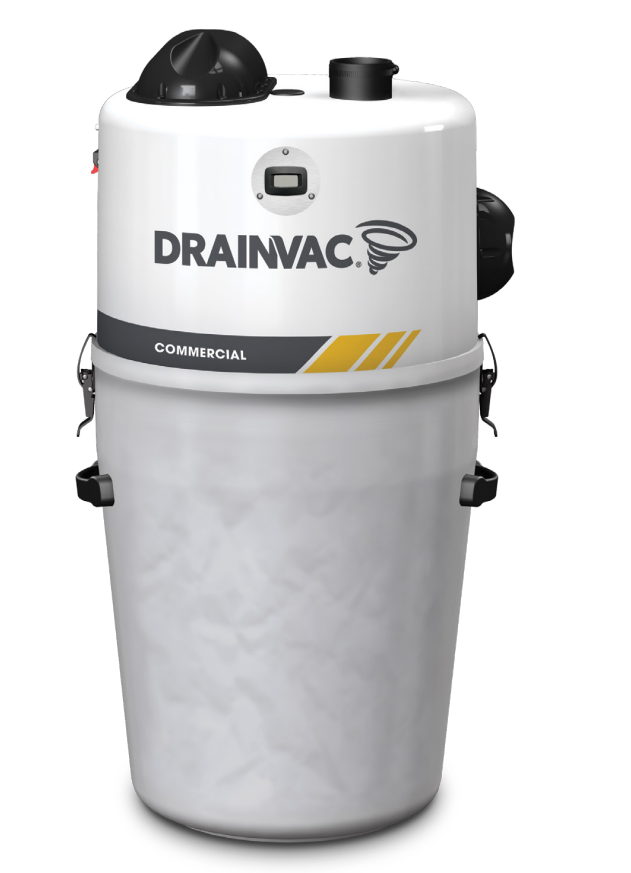
The Drainvac Commercial Series Central Vacuum is built for demanding cleaning environments that need strong suction, quiet operation, and dependable performance. Designed for commercial, industrial, and professional spaces, this central vacuum system is a practical solution for offices, workshops, car washes, restaurants, and production facilities where continuous cleaning power matters. Its compact design makes installation easier than many traditional centralized vacuum systems, while its commercial-grade construction helps support heavy daily use.
One of the biggest advantages of the Drainvac Commercial Series Central Vacuum is its range of configurations, including high-power models suited for dry pickup and more advanced units for specialized applications. Depending on the model, users can expect features such as soundproofing, large-capacity canisters, cartridge filtration, and strong motor performance. These qualities make it appealing to facility managers, contractors, and business owners who want a reliable central vacuum system with long-term value.
Estimated pricing typically falls in the mid-to-premium commercial equipment range, often around $1,500 to $4,500+ USD depending on horsepower, motor count, filtration type, and accessories. Availability is generally through authorized distributors, commercial cleaning suppliers, and select online retailers. For buyers comparing central vacuum systems, the Drainvac Commercial Series stands out for its balance of power, durability, and compact installation profile.
How to Set Up Drainvac Commercial Series Central Vacuum
Start by choosing a dry, well-ventilated location close to the electrical supply and easy maintenance access. Mount the power unit securely on a stable wall or floor base, following the recommended clearances for service and airflow. Connect the inlet piping to the main suction line, making sure all joints are sealed to prevent air leaks that can reduce performance.
Next, install the filtration components and collection canister or dust bag, depending on the model. Some configurations support cartridge filters, while others use bag-based collection for easier dust control. If your system includes multiple wall inlets, verify that each inlet is wired correctly to the low-voltage control circuit. Pairing is usually done through the hose and inlet activation system rather than wireless connectivity, so check hose compatibility and inlet contact points before first use.
Before powering on, inspect the circuit breaker, confirm the voltage rating, and ensure all components are dry and properly fastened. Never install the unit near flammable vapors, standing water, or unstable surfaces. If the system does not start, test the low-voltage circuit, verify the hose connection, and check for a tripped breaker. Always disconnect power before opening the unit for maintenance.
Troubleshooting Drainvac Commercial Series Central Vacuum Problems
Common issues with the Drainvac Commercial Series Central Vacuum usually involve startup failure, shutdown failure, weak suction, or overload protection. If the unit will not start, check the wall inlet, hose, 24-volt control circuit, and main breaker first. A defective hose or disconnected low-voltage wire is a frequent cause. If the unit starts only when the 24-volt terminals are bridged, the problem is usually in the wiring or inlet system.
If the unit will not shut down, inspect the 24-volt circuit for wires touching each other or a faulty wall inlet. If suction is weak, clean or replace the filter, empty the dust collection container, and check for blockages in the hose or piping. For systems that use bag collection, a full bag can significantly reduce airflow. Although these commercial units do not typically rely on user-facing digital error codes, indicator lights or breaker trips may signal overload, blocked airflow, or electrical faults.
Preventive maintenance includes regular filter cleaning, bag replacement, and inspection of intake lines. Keep vents clear and avoid vacuuming sharp debris that can damage the hose or impeller. Warranty coverage and support typically depend on the distributor and model, so users should keep proof of purchase and serial information ready. For help, contact the manufacturer through the official Drainvac customer support line at 1-800-408-1448 or 450-467-1448.
Pros and Cons of Drainvac Commercial Series Central Vacuum
Pros
- Strong commercial suction for large facilities and heavy use.
- Compact design helps simplify installation in tight mechanical spaces.
- Quiet or soundproofed operation on select models improves user comfort.
- Large-capacity collection systems reduce maintenance frequency.
- Multiple configuration options make it easier to match different cleaning needs.
- Good value for businesses that need a durable central vacuum system instead of replacing portable vacuums often.
Cons
- Higher upfront cost than standard portable vacuums.
- Installation may require professional plumbing and electrical work.
- Some models need periodic filter and bag replacement, adding operating costs.
- Not every configuration includes advanced automation or wet pickup capability.
- Alternatives from other commercial vacuum brands may offer more smart features, but often at a higher price.
Overall, the Drainvac Commercial Series Central Vacuum offers solid value for businesses that prioritize reliability, strong suction, and long service life over premium automation extras.
Customer Reviews for Drainvac Commercial Series Central Vacuum
Customer feedback is generally positive, with many users rating the system around 4.4 out of 5 stars for suction strength, durability, and quiet operation. Facility managers often praise the compact footprint and the way the system handles repeated daily use in commercial settings. One common compliment is that the unit “keeps up with cleaning demand without constant attention.”
Frequent complaints focus on installation complexity and the need to monitor filters or bags more closely in dusty environments. Some buyers note that professional setup is worth the cost because it reduces airflow issues later. A typical recommendation from users is to choose the right horsepower and filtration option from the start rather than oversizing or underspecifying the unit.
If you need a dependable central vacuum for business use, the Drainvac Commercial Series Central Vacuum is a smart purchase for long-term performance. It is especially well suited to commercial spaces that want strong suction, low noise, and straightforward maintenance.
Faqs
How do I set up drainvac Commercial Series Central Vacuum for the first time in a commercial building?
Why is my drainvac Commercial Series Central Vacuum losing suction, and what can I check first?
What surfaces and cleaning tasks work best with drainvac Commercial Series Central Vacuum?
What inlet and piping requirements should I confirm before installing drainvac Commercial Series Central Vacuum?
How can I improve the cleaning performance of drainvac Commercial Series Central Vacuum during heavy daily use?
What should I do if drainvac Commercial Series Central Vacuum will not turn on?
How often should I maintain drainvac Commercial Series Central Vacuum in a busy workplace?
Which accessories are compatible with drainvac Commercial Series Central Vacuum for specialized cleaning jobs?
More drainvac manuals
- Features & Setup: Drainvac Cyclonik Series Central Vacuum Systems DV1R12-CT User Manual
- How to Use: Drainvac Central Vacuums Compact Automatic Series User Manual
- Setup: Drainvac Compact Series Central vacuum PRO106 User Manual
- Installation: Drainvac Elegance Series Central Vacuum System Owner Manual
- Installation: Drainvac SEPA.INOX01 SEPA.INOX02 Dry Separator Owner Manual
- Installation: Drainvac ProXtrak Series Liquid Extractor Owner Manual
Leave a Comment