
Setup & Features: Eco-Kleer High Rate Sand Filter User Manual
Content
Eco-Kleer High Rate Sand Filter Manual: Overview, Setup, Troubleshooting, and Buying Guide
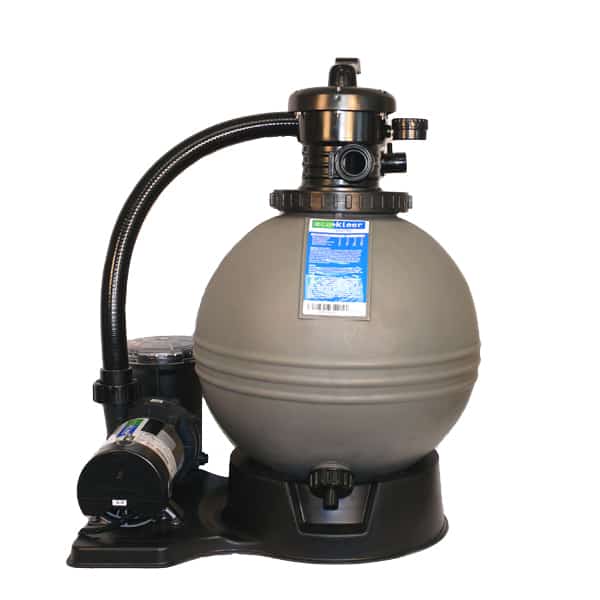
The eco-kleer High Rate Sand Filter is a pool filtration system designed to deliver steady water clarity with low-maintenance operation and dependable flow performance. Built for residential pool owners and light commercial applications, it uses high-rate sand filtration to trap dirt, debris, and fine particles while supporting straightforward backwashing for easy upkeep. For users comparing sand filtration systems, the eco-kleer High Rate Sand Filter stands out for its practical design, durable construction, and compatibility with standard pool plumbing and filtration media.
This system is a strong fit for pool owners who want a reliable, cost-conscious alternative to more complex cartridge or DE filters. It is especially useful for backyard pools, spas, and service technicians who need a simple filter that balances performance with easy maintenance. Typical use cases include in-ground and above-ground pools, seasonal pool openings, routine circulation systems, and replacement installations where a high-flow sand filter is preferred. Pricing generally falls in the mid-range category for pool filtration equipment, with estimated retail costs often landing between $300 and $700 depending on tank size, valve configuration, and retailer availability. The eco-kleer High Rate Sand Filter is commonly sold through pool supply stores and online specialty retailers, with replacement media and maintenance parts widely available.
Eco-Kleer High Rate Sand Filter Specifications and Key Features
The eco-kleer High Rate Sand Filter is designed around standard high-rate sand filtration principles, making it compatible with common pool maintenance workflows and replacement media. Typical specifications and performance characteristics include:
- Filtration type: High-rate sand filtration for pool and spa water
- Media: #20 grade silica sand, typically in the 0.45 to 0.55 mm range
- Pressure rating: Commonly engineered for approximately 50 psi maximum working pressure
- Design flow rate: High-rate operation suitable for standard residential circulation systems
- Maintenance method: Backwashing through a multiport valve or equivalent control system
- Tank construction: Corrosion-resistant resin or fiberglass-style body depending on model variant
- Media capacity: Varies by tank size; larger tanks support greater sand volume and longer service intervals
- Use case: Residential pools, spas, and light commercial water filtration
- Benchmarks: Designed to maintain stable filtration performance with minimal pressure rise when cleaned regularly
Compared with cartridge filters, this sand filter typically offers faster cleaning and lower routine effort. Compared with DE filters, it is simpler to operate and usually easier for homeowners to maintain, though it may not capture ultrafine particles as aggressively. For users prioritizing dependable daily performance and low ownership complexity, the eco-kleer High Rate Sand Filter is a practical middle-ground option.
How to Set Up the Eco-Kleer High Rate Sand Filter
Setting up the eco-kleer High Rate Sand Filter is straightforward when installed on a level base with correct plumbing and media loading. Begin by placing the tank on a stable, flat surface with enough clearance for maintenance, valve access, and backwashing. Before adding sand, inspect the internal laterals or collector assembly to ensure every component is seated properly. Fill the tank with water first to cushion the laterals, then add the recommended #20 silica sand slowly to avoid damage or uneven distribution.
Next, connect the inlet, return, and waste lines according to the valve markings. If your model uses a multiport valve, confirm that the gasket and spider seal are positioned correctly before tightening the assembly. Prime the pump, set the valve to Backwash, and run until the discharge water appears clear. Then switch to Rinse for a short cycle before selecting Filter. Always shut off the pump before moving the valve handle to prevent internal damage.
Safety precautions include never operating the unit above its pressure limit, never entering the tank while pressurized, and ensuring all fittings are leak-free before startup. If flow is weak, check for incorrect valve placement, clogged lines, or overfilled sand. If pressure rises quickly, backwash the filter and inspect the pump basket and skimmer for blockage.
Eco-Kleer High Rate Sand Filter Troubleshooting Guide
Most issues with a high-rate sand filter are caused by clogged media, valve misalignment, worn seals, or poor installation. If water remains cloudy, the filter may need a longer backwash cycle, fresh sand, or better circulation time. If the system pressure is high, inspect the pump strainer, skimmer basket, and return plumbing for restrictions. If pressure is unusually low, check for air leaks at the suction side, low water level, or a failing pump impeller.
- Problem: Sand returns to pool
- Fix: Inspect laterals for cracks, confirm correct sand size, and verify the standpipe is centered
- Problem: Water leaks from multiport valve
- Fix: Replace the lid gasket or spider seal and avoid moving the valve with the pump running
- Problem: Weak circulation
- Fix: Clean baskets, backwash the filter, and check for collapsed hoses or blocked lines
- Problem: Filter channeling or uneven cleaning
- Fix: Break up compacted sand and replace media if it is worn or calcified
Common warning signs include persistent cloudiness, repeated pressure spikes, or sand in the pool return line. Preventive maintenance includes routine backwashing, annual sand inspection, and periodic seal replacement. Warranty coverage and support depend on the retailer and specific model bundle, so buyers should keep the purchase receipt, model number, and serial details ready when requesting service. For help, contact the seller, the pool equipment distributor, or an authorized pool service technician.
Eco-Kleer High Rate Sand Filter Pros and Cons
Pros
- Easy maintenance: Backwashing keeps upkeep simple and fast for most pool owners.
- Reliable performance: Delivers steady filtration for daily pool use with standard circulation systems.
- Lower operating complexity: Easier to use than many DE systems and simpler than cartridge replacement routines.
- Good value for money: Offers strong long-term affordability because sand media lasts longer than many disposable components.
- Wide compatibility: Works well with common pool plumbing, standard valves, and replacement silica sand.
Cons
- Less fine filtration: May not polish water as finely as a DE filter.
- Backwashing waste: Uses some water during cleaning cycles.
- Media maintenance: Sand eventually clumps or wears and must be replaced.
- Installation sensitivity: Incorrect sand type or poor valve setup can reduce performance.
- Not ideal for every pool: Very large or specialty systems may benefit from higher-capacity alternatives.
Overall, the eco-kleer High Rate Sand Filter offers strong value for pool owners who want simple operation and dependable filtration without frequent cartridge replacements. Compared with cartridge filters, it usually wins on maintenance convenience. Compared with DE filters, it is simpler but may sacrifice some water clarity.
Customer Reviews and Real-World Feedback on the Eco-Kleer High Rate Sand Filter
Customer feedback is generally positive, with many owners giving the system around 4.3 out of 5 stars for ease of use, dependable cleaning, and affordable maintenance. Users often praise how quickly the filter restores clear water after a backwash cycle and how little day-to-day attention it requires. One common testimonial is: “Once installed correctly, it just works and keeps the pool clear with minimal effort.”
Frequent complaints usually focus on initial setup mistakes, confusion about sand quantity, or leaks caused by worn seals rather than the filter tank itself. Some buyers also note that water clarity is good but not as polished as premium fine-filtration systems. Purchase recommendations are strongest for homeowners who want a practical, budget-friendly pool filter and are comfortable performing routine backwashing. Buyers who prioritize ultra-fine water polishing may want to compare it with cartridge or DE alternatives before choosing.
Faqs
How do I set up the eco-kleer High Rate Sand Filter for first-time use?
What sand type and grain size work best with the eco-kleer High Rate Sand Filter?
Why is my eco-kleer High Rate Sand Filter producing weak water flow?
How often should I backwash the eco-kleer High Rate Sand Filter to maintain performance?
What should I do if the eco-kleer High Rate Sand Filter is leaking around the valve or tank?
Can the eco-kleer High Rate Sand Filter be used with different pump sizes and pool systems?
How do I improve water clarity with the eco-kleer High Rate Sand Filter?
When should I replace the sand media in the eco-kleer High Rate Sand Filter?
Tags
Leave a Comment