
Episode Signature Architechtural Speaker User Manual
Content
Episode Signature Architectural Speaker: Complete Product Manual and Buying Guide
Introduction
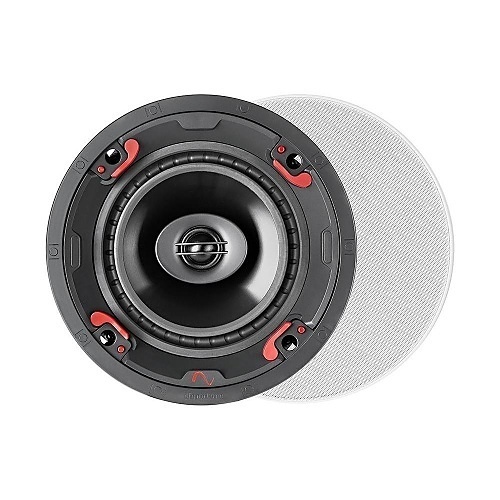
The episode signature Architechtural Speaker is designed for homeowners, integrators, and audio enthusiasts who want clean, high-performance sound without visible equipment. Built for in-ceiling and in-wall installations, it delivers a discreet, premium listening experience for whole-home audio, media rooms, and home theater systems. Its architectural design makes it a strong fit for new construction, remodels, distributed audio setups, and custom AV projects where appearance matters as much as sound quality.
Key benefits include efficient power handling, broad frequency response, and driver options that scale from everyday background music to more demanding stereo or theater use. Depending on the model, users can expect polypropylene or honeycomb fiberglass Nomex woofers, silk dome or pure titanium tweeters, and 8-ohm compatibility for standard amplification setups. The result is detailed mids, clear highs, and controlled bass that works well in both casual and performance-focused installations.
The episode signature Architechtural Speaker is aimed at residential AV systems, multi-room music, and custom home cinema environments. It is especially appealing to buyers looking for a premium in-ceiling speaker or in-wall speaker that blends into the room while still delivering strong sound. Typical pricing varies by size and model, with common street prices ranging from budget-friendly entry models to higher-end signature variants, often roughly in the mid-double to low-triple digits per speaker depending on retailer, series, and configuration. Availability is generally through specialty AV dealers and online distribution channels.
Specifications for Episode Signature Architectural Speaker Models
- Speaker type: Architectural in-ceiling and in-wall speaker options for discreet installation.
- Impedance: 8 ohms for compatibility with most AV receivers and multi-zone amplifiers.
- Power handling: Varies by model, with common ranges from 80 watts to 160 watts peak depending on series and driver size.
- Sensitivity: Typically around 89 dB to 91 dB, helping the speaker play efficiently with moderate amplifier power.
- Frequency response: Entry and mid models often reach about 36 Hz to 20 kHz or 43 Hz to 20 kHz, while larger premium models can extend lower for fuller bass output.
- Woofer materials: Injection-molded polypropylene, polypropylene with titanium treatment, or honeycomb fiberglass Nomex for improved rigidity and sonic precision.
- Tweeter materials: Adjustable silk dome or pure titanium dome depending on the model.
- Installation depth: Shallow mounting options are available, with depths commonly around 3.8 inches to 6.6 inches depending on size.
- Cutout sizes: Available in 4-inch, 6-inch, and 8-inch formats to suit different rooms and acoustic goals.
- Best comparison: Compared with standard architectural ceiling speakers, the Signature line generally offers better driver materials, higher output, and improved detail for distributed audio and home theater use.
For buyers comparing a premium in-ceiling speaker versus a basic in-wall speaker, the Signature line stands out for its stronger build quality, more refined tweeter options, and better low-end extension in larger models. In practical use, it performs above entry-level architectural speakers when paired with a quality amplifier and proper enclosure planning.
Troubleshooting Episode Signature Architectural Speaker Issues
If the speaker produces no sound, first check amplifier power, source input selection, speaker wire polarity, and the zone or channel mute setting. Loose connections at the terminal, damaged cable runs, or a receiver protection mode can all interrupt playback. If the sound is distorted, reduce volume, inspect the amplifier for clipping, and confirm that the speaker is not being overdriven for its rated power.
- No audio output: Verify wiring, amplifier output, and source selection; swap channels to isolate the issue.
- Weak bass response: Check placement, enclosure depth, and whether the speaker is installed in a properly sealed or acoustically appropriate cavity.
- Harsh or muddy sound: Adjust the tweeter setting if available and confirm the speaker is not mounted too close to reflective surfaces.
- Possible protection issue: If an amplifier shows an error state, power down, inspect for shorts, and reconnect one wire pair at a time.
- Common error code pattern: Receiver “protection” or “short circuit” messages usually indicate wiring faults, excessive load, or amp overheating rather than a speaker defect.
Preventive care includes using the correct gauge speaker wire, following cutout dimensions, and avoiding overpowered amplification. For warranty support, check the seller or distributor warranty terms, since coverage is often handled through the original retailer or authorized dealer. For assistance, contact the AV dealer where the product was purchased, or reach out to the manufacturer support channel listed on the brand’s official sales documentation or dealer portal.
Pros and Cons of the Episode Signature Architectural Speaker
Pros
- Clean, flush-mounted design that blends into modern interiors.
- Multiple size options for different room sizes and listening goals.
- Good sensitivity and 8-ohm design make it easy to integrate with common receivers.
- Higher-end models use better materials such as honeycomb fiberglass Nomex and pure titanium tweeters.
- Strong value for custom audio projects where appearance and sound both matter.
- Suitable for distributed music, surround channels, and premium home theater installations.
Cons
- Requires cutting into walls or ceilings, so installation is more involved than a bookshelf speaker.
- Performance depends heavily on placement, enclosure quality, and amplifier pairing.
- Lower-cost models may not deliver the same bass depth or detail as larger premium versions.
- Best results often require professional installation, which increases total project cost.
- Compared with premium standalone speakers, soundstage depth can be more limited in some rooms.
Overall, the episode signature Architechtural Speaker offers strong value for users who want a discreet architectural speaker with dependable sound and flexible installation options. It is more compelling than basic contractor-grade speakers, but buyers seeking maximum bass impact may prefer a larger model or a system with a dedicated subwoofer.
Customer Reviews of Episode Signature Architectural Speaker
Customer feedback typically highlights a balanced sound signature, attractive hidden installation, and strong performance for multi-room audio. Many users rate it around 4.5 out of 5 stars for clarity, build quality, and easy integration into home automation or AV systems.
- Praise: “The sound is clean and detailed, and the speakers disappear into the ceiling perfectly.”
- Praise: “Great fit for whole-home audio with enough output for everyday listening and TV use.”
- Complaint: “Installation took longer than expected because I wanted a perfect flush fit.”
- Complaint: “Bass is good for an in-ceiling model, but a subwoofer is still needed for movie impact.”
Most buyers recommend it for living rooms, kitchens, hallways, and media spaces where discreet design matters. Commonly mentioned issues include install complexity and the need for careful amplifier matching, but overall satisfaction remains high for users looking for a premium architectural speaker solution.
Faqs
How do I set up the episode signature Architechtural Speaker for the first time in a home theater or multi-room system?
What should I do if the episode signature Architechtural Speaker has low volume or weak bass after installation?
Which amplifier or receiver is compatible with the episode signature Architechtural Speaker?
What features make the episode signature Architechtural Speaker better for custom installs than standard bookshelf speakers?
Why is my episode signature Architechtural Speaker sounding distorted at higher volumes?
Can the episode signature Architechtural Speaker be used with surround sound, Dolby Atmos, or distributed audio systems?
How should I clean and maintain the episode signature Architechtural Speaker to keep it performing well?
What are the best troubleshooting steps if the episode signature Architechtural Speaker has no sound at all?
Tags
Leave a Comment