
How to Use: Excalibur Dehydration User Manual
Content
Excalibur Dehydration Product Manual
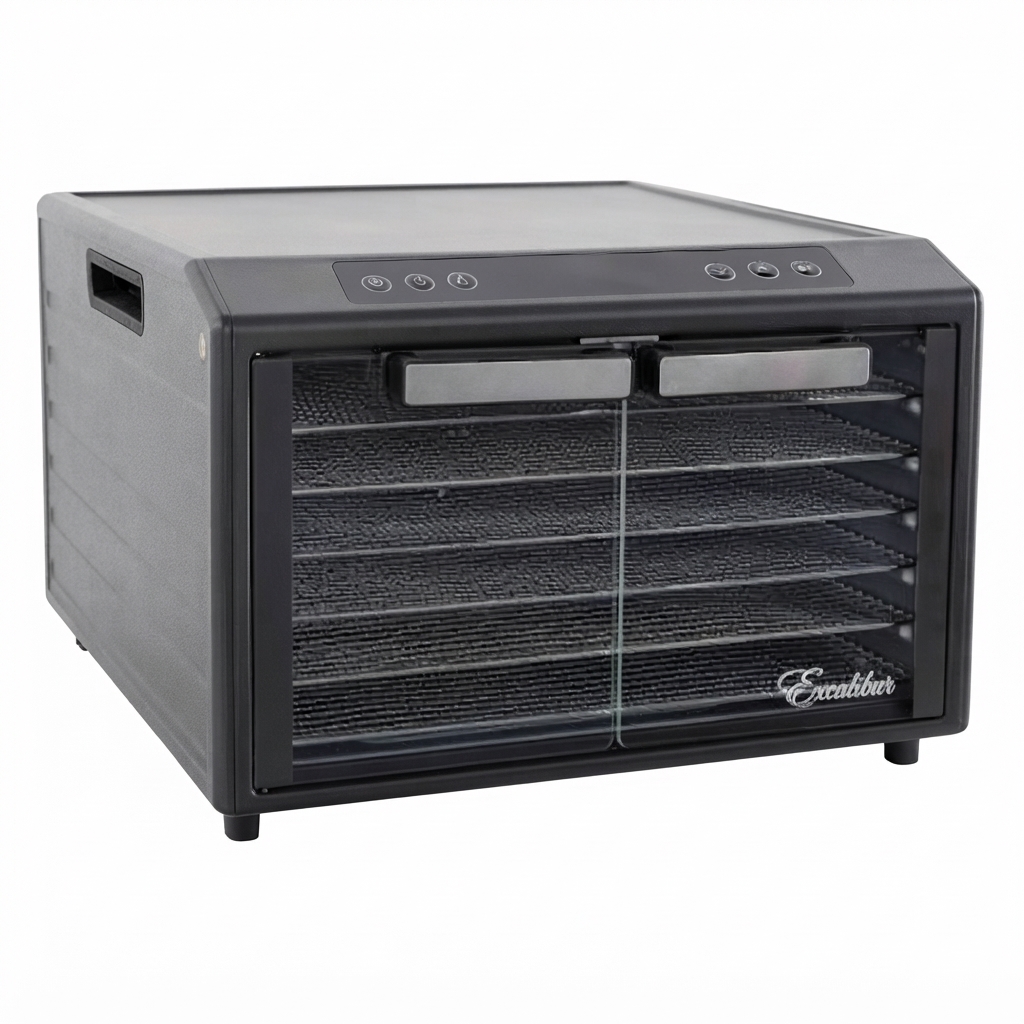
The Excalibur Dehydration line is built for users who want reliable food preservation at home with commercial-style performance. Known for its horizontal airflow, large drying capacity, and simple controls, this dehydrator is a strong choice for drying fruits, vegetables, herbs, jerky, yogurt, and raw food recipes. For families, homesteaders, meal preppers, and health-focused cooks, it offers a practical way to extend shelf life while retaining flavor and texture.
One of the biggest advantages of Excalibur Dehydration models is their even drying system, which helps reduce tray rotation and improves batch consistency. Many models include adjustable thermostats, timer controls, removable trays, and dishwasher-safe components, making everyday use easier. The build quality is another selling point, with durable housings, sturdy trays, and a design intended for long-term kitchen use.
As of 2026, typical pricing ranges from about $250 to $400 depending on tray count, finish, and digital features. Stainless steel and larger-capacity models often sit at the higher end of the range. Availability is generally strong through the brand’s official store and major kitchen retailers, with periodic stock changes based on model and region.
Specifications for Excalibur Dehydration Models
- Tray count: Common configurations include 5, 8, 9, and 10 trays for different batch sizes.
- Drying area: Larger models provide around 15 square feet of total drying space.
- Power: Many full-size units use approximately 600 watts for consistent heat and airflow.
- Temperature range: Adjustable settings typically run from 105°F to 165°F for low-and-slow dehydration.
- Airflow: Horizontal rear-mounted fan design promotes even drying across all trays.
- Timer: Digital versions may include programmable timers for automatic shutoff.
- Materials: Models commonly use BPA-conscious plastic trays, stainless steel finishes, or durable composite housings.
- Warranty: Warranty coverage varies by model, with many units offering long limited warranties on consumer use.
- Comparison: Compared with stack-style dehydrators, Excalibur Dehydration units usually provide more even drying and better capacity, though they take up more counter space.
Detailed Description of Excalibur Dehydration
Excalibur Dehydration systems use a rear fan and horizontal airflow to move warm air evenly across each tray. This design helps eliminate hot spots and improves drying uniformity, which is especially useful for mixed loads such as fruit leather on one tray and herbs on another. Because the heat source and airflow are positioned behind the trays, food typically dries more evenly than in basic top-mounted or stacked dehydrators.
In real-world use, these dehydrators are popular for making fruit snacks, jerky, dried tomatoes, kale chips, dog treats, and shelf-stable herbs. Users who process large harvests often appreciate the larger capacity, while beginners value the straightforward temperature controls and simple loading process. Build quality is generally solid, with trays designed for repeated use and housings made for frequent kitchen handling. The user experience is often described as dependable and low-maintenance, especially for long drying sessions.
Setup Guide for Excalibur Dehydration
- Unbox the unit and remove all packaging materials, tray inserts, and instruction sheets.
- Place the dehydrator on a flat, stable, heat-resistant surface with adequate clearance around the vents.
- Wash trays and accessories before first use if recommended by the model instructions.
- Plug the unit into a grounded outlet and check that the power cord is fully seated.
- Set the temperature based on the food type. Use lower heat for herbs and delicate foods, higher heat for jerky and dense produce.
- Load food in a single layer with space between pieces for optimal airflow.
- If your model includes a timer, program the drying duration before starting the cycle.
- Monitor the first batch closely, then adjust temperature and time as needed for future loads.
If the unit does not start, verify the outlet with another appliance, inspect the cord, and confirm the door is fully closed. Never block airflow vents or cover the machine during operation. Keep the dehydrator away from water, children, and flammable materials, and always allow hot trays to cool before handling.
Troubleshooting Excalibur Dehydration Problems
- Unit will not power on: Check the outlet, power cord, and breaker. Test with another device to confirm electrical supply.
- Uneven drying: Avoid overcrowding, slice food evenly, and rotate trays only if the batch is unusually dense.
- Fan noise or rubbing: Remove trays and inspect for loose parts or obstruction near the fan area.
- Food takes too long to dry: Increase airflow space, lower tray load, or raise temperature slightly within the recommended range.
- Overheating smell: Turn the unit off, unplug it, and inspect for blocked vents or residue buildup.
- Error codes: Some digital models may display control-related errors; reset the unit by unplugging it for several minutes and consult the model guide if the issue returns.
Preventive care includes regular cleaning, avoiding liquid spills inside the housing, and storing the dehydrator in a dry area. Warranty coverage is typically limited and model-dependent, and customer support is commonly available by phone during weekday business hours. For assistance, use the manufacturer’s customer service line or the official support contact listed in the product manual.
Pros and Cons of Excalibur Dehydration
Pros
- Even horizontal airflow improves drying consistency across trays.
- Large capacity is ideal for batch cooking, gardening harvests, and jerky making.
- Adjustable temperature control supports herbs, fruit, vegetables, and meat.
- Strong value for users who want a long-term food dehydrator.
- Better tray performance than many budget stackable dehydrators.
Cons
- Larger footprint may not suit small kitchens.
- Premium models cost more than entry-level dehydrators.
- Some versions require more counter space and storage room.
- Digital features vary by model, so not all units offer timers.
Overall, Excalibur Dehydration offers excellent performance for the price if capacity and consistency matter more than compact size. Compared with cheaper alternatives, it is usually the better pick for serious home food preservation.
Customer Reviews of Excalibur Dehydration
Average user feedback typically lands around 4.5 out of 5 stars, with praise focused on even drying, dependable performance, and large tray capacity. Many customers highlight excellent results for jerky, fruit leather, and herbs, while beginners often appreciate how simple the controls are.
Common complaints include the size of the machine, the higher price compared with basic models, and occasional concerns about cleaning around tray edges. A frequent testimonial theme is that the dehydrator “just works” and produces consistent batches with less monitoring.
For buyers who want a powerful food dehydrator for frequent use, Excalibur Dehydration is often recommended. It is especially appealing to homesteaders, meal preppers, and anyone who values reliable long-term food preservation.
Faqs
How do I set up excalibur Dehydration for the first time?
What should I do if excalibur Dehydration is not drying food evenly?
What features make excalibur Dehydration different from other food dehydrators?
Can I use excalibur Dehydration for jerky, herbs, and fruit at the same time?
Why does my excalibur Dehydration smell strange during the first few uses?
What temperature settings work best on excalibur Dehydration for different foods?
How do I clean and maintain excalibur Dehydration without damaging it?
Why is my excalibur Dehydration taking longer than expected to dry food?
Tags
More excalibur manuals
Leave a Comment