
How to Use: Falcon Dental Group Electric Vs. Manual Brushes User Manual
Content
falcon dental group Electric Vs. Manual Brushes: Complete Product Manual and Buying Guide
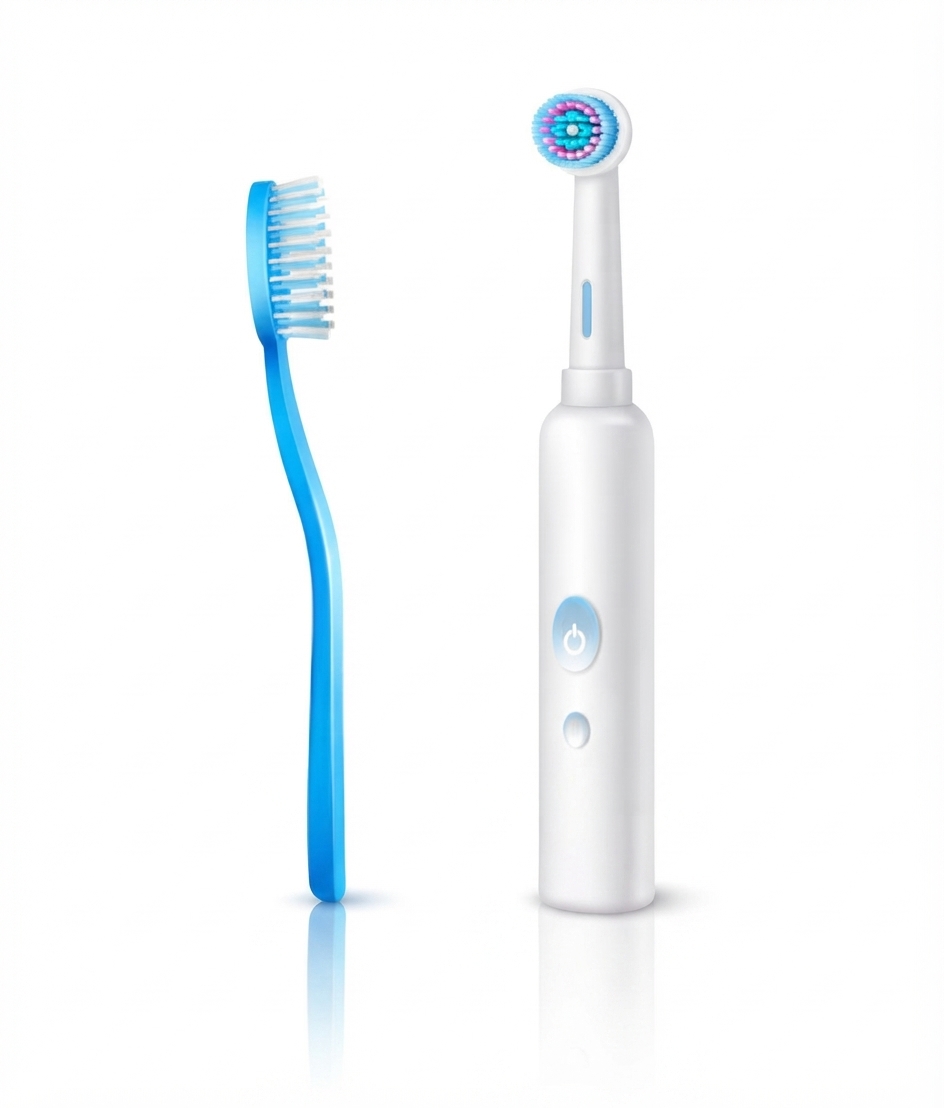
The Falcon Dental Group Electric Vs. Manual Brushes comparison helps shoppers understand how different brushing formats affect daily oral care, comfort, and plaque removal. For patients, families, and dental hygiene beginners, the right brush can make a noticeable difference in consistency, cleaning efficiency, and long-term gum health. Electric models are often preferred for users who want guided brushing support, timer features, and easier plaque control, while manual brushes remain a reliable, affordable, and travel-friendly option.
This guide is designed for people choosing between powered and traditional toothbrushes, including adults with braces, teens building better habits, older users with limited dexterity, and anyone looking for a practical upgrade to their oral care routine. The biggest benefits of this product comparison are simple decision-making, clearer feature breakdowns, and a focus on real-world use cases such as daily home brushing, travel kits, and sensitive gums. Typical pricing varies widely: manual brushes usually cost under $10 per pack, while electric toothbrushes commonly range from $25 to $150 depending on the motor, pressure sensors, battery life, and included brush heads. Availability is broad through online retailers, dental offices, pharmacies, and major consumer electronics stores, making both options easy to purchase and replace.
For shoppers comparing performance, comfort, and value, falcon dental group Electric Vs. Manual Brushes offers a useful framework for choosing a brush that matches budget, brushing style, and oral health goals. It is especially helpful for users who want a simple answer to the question: which toothbrush is better for everyday cleaning?
Specifications: Electric Toothbrush vs Manual Toothbrush Features
- Brush type: Electric oscillating, rotating, sonic, or manual flat-trim bristle design.
- Cleaning performance: Electric brushes typically provide more consistent stroke speed and built-in timers; manual brushes rely fully on user technique.
- Battery and power: Rechargeable lithium-ion batteries, USB charging, or disposable battery models for electric brushes; no power source required for manual brushes.
- Timer and pressure control: Many electric models include 2-minute timers, 30-second quadrant alerts, and pressure sensors to help prevent overbrushing.
- Brush head options: Sensitive, whitening, gum care, deep-clean, and orthodontic heads may be available for electric systems.
- Portability: Manual brushes are lighter and easier for travel; electric models may require charging cases or replacement heads.
- Performance benchmark: Electric toothbrushes often deliver more repeatable brushing motions, while manual brushes can perform well when used with correct technique and proper timing.
- Comparison with similar products: Compared with premium manual brushes, powered brushes usually offer more automation; compared with budget electric brushes, manual models cost less and need fewer accessories.
In the falcon dental group Electric Vs. Manual Brushes category, the main technical difference is control: powered brushes automate motion, while manual brushes depend on the user’s hand speed, angle, and pressure.
Setup Guide: How to Use an Electric or Manual Toothbrush Correctly
For a manual brush, setup is simple: choose a soft-bristle head, apply a pea-sized amount of fluoride toothpaste, and brush for two minutes using gentle circular motions. For an electric brush, fully charge the handle before first use, attach the brush head firmly, and select the appropriate cleaning mode if the model includes one. If the toothbrush supports multiple settings, start with a standard mode before trying sensitive or whitening modes.
To pair smart electric brushes, enable Bluetooth on the companion app, follow the on-screen pairing prompt, and confirm that the handle is detected. Some models sync brushing time, pressure alerts, and usage reports through the app. If pairing fails, restart the handle, reinstall the app, and verify that the battery is charged. Common configuration options include brushing mode selection, intensity adjustment, and reminder alerts.
Safety matters during setup. Do not share brush heads between users, avoid charging damaged handles, and never use excessive pressure on gums or enamel. If the brush feels too abrasive, switch to a soft head or sensitive setting. In the context of falcon dental group Electric Vs. Manual Brushes, the best setup is the one that encourages daily use without discomfort.
Troubleshooting: Common Toothbrush Problems and Fixes
- Problem: Electric brush will not turn on. Fix: Charge the handle fully, inspect the charging base, and confirm the power outlet works.
- Problem: Weak brushing motion. Fix: Replace the brush head, clean debris from the shaft, and check battery health.
- Problem: Bluetooth app will not connect. Fix: Re-pair after clearing the app cache, enabling Bluetooth permissions, and restarting both devices.
- Problem: Bristles wear out too fast. Fix: Reduce pressure and replace the head every three months or sooner if frayed.
- Problem: Gum irritation or sensitivity. Fix: Use a softer brush head, lower the intensity, and brush with light pressure.
- Problem: Strange vibration or noise. Fix: Remove the head, clean the connection point, and inspect for damage.
Preventive care includes rinsing the head after use, storing the brush upright, and keeping the charger dry. If the product includes an error indicator, check the user guide for battery or motor warnings and restart the device before contacting support. Warranty coverage commonly ranges from one to two years for electric handles, with replacement parts often sold separately. For help, contact the retailer, the manufacturer’s support team, or the dental clinic that recommended the brush. The falcon dental group Electric Vs. Manual Brushes comparison is easiest when problems are matched to the user’s brushing habits and maintenance routine.
Pros & Cons: Electric Toothbrush vs Manual Toothbrush
Electric Brushes
- Pros: Faster plaque removal support, built-in timers, pressure sensors, easier for people with limited hand movement, and strong value for users who want guided brushing.
- Pros: Helpful for braces, sensitive teeth, and users who brush too hard with a manual model.
- Cons: Higher upfront cost, requires charging or batteries, and replacement heads add ongoing expense.
- Cons: Bulkier for travel and may feel too powerful for first-time users.
Manual Brushes
- Pros: Very affordable, easy to replace, lightweight, and available almost anywhere.
- Pros: Excellent value for money for users with strong brushing technique and consistent habits.
- Cons: No built-in timer or pressure control, and results depend heavily on user skill.
- Cons: Less helpful for people who rush through brushing or have dexterity limitations.
When comparing alternatives, electric brushes are usually the better pick for convenience and guided cleaning, while manual brushes win on price and portability. In falcon dental group Electric Vs. Manual Brushes, the best choice depends on whether the user wants automation or simplicity.
Customer Reviews: What Users Say About Electric and Manual Brushes
Most customer feedback is positive for electric models, with users praising easier brushing, cleaner-feeling teeth, and the usefulness of timers. Common ratings often fall around 4.3 out of 5 stars for well-reviewed electric options and 4.1 out of 5 stars for manual brushes with soft bristles and ergonomic handles.
Frequent praise includes “my dentist noticed better cleaning,” “the timer helped me brush longer,” and “great for sensitive gums.” Common complaints involve battery charging, replacement head cost, and occasional vibration noise. Manual brush users often highlight affordability and travel convenience, but some mention that results depend on discipline and proper brushing technique.
For most buyers, the recommendation is simple: choose electric for convenience and feature-rich cleaning support, or choose manual for low cost and minimal maintenance. In the falcon dental group Electric Vs. Manual Brushes category, both options can work well when matched to the user’s needs, budget, and oral care habits.
Faqs
How do I choose the right falcon dental group Electric Vs. Manual Brushes option for my daily oral care routine?
How do I set up falcon dental group Electric Vs. Manual Brushes for the first time?
Why is my falcon dental group Electric Vs. Manual Brushes electric brush not turning on?
What features should I compare in falcon dental group Electric Vs. Manual Brushes before buying?
Can falcon dental group Electric Vs. Manual Brushes be used if I have sensitive gums or teeth?
How often should I replace parts in falcon dental group Electric Vs. Manual Brushes?
How do I clean and maintain falcon dental group Electric Vs. Manual Brushes properly?
Which falcon dental group Electric Vs. Manual Brushes option is better for travel and limited bathroom space?
Leave a Comment