
Fisher&paykel Elba Series Clothes washer User Manual
Content
fisher&paykel Elba Series Clothes washer: Complete Product Manual and Buying Guide
Introduction to the fisher&paykel Elba Series Clothes washer
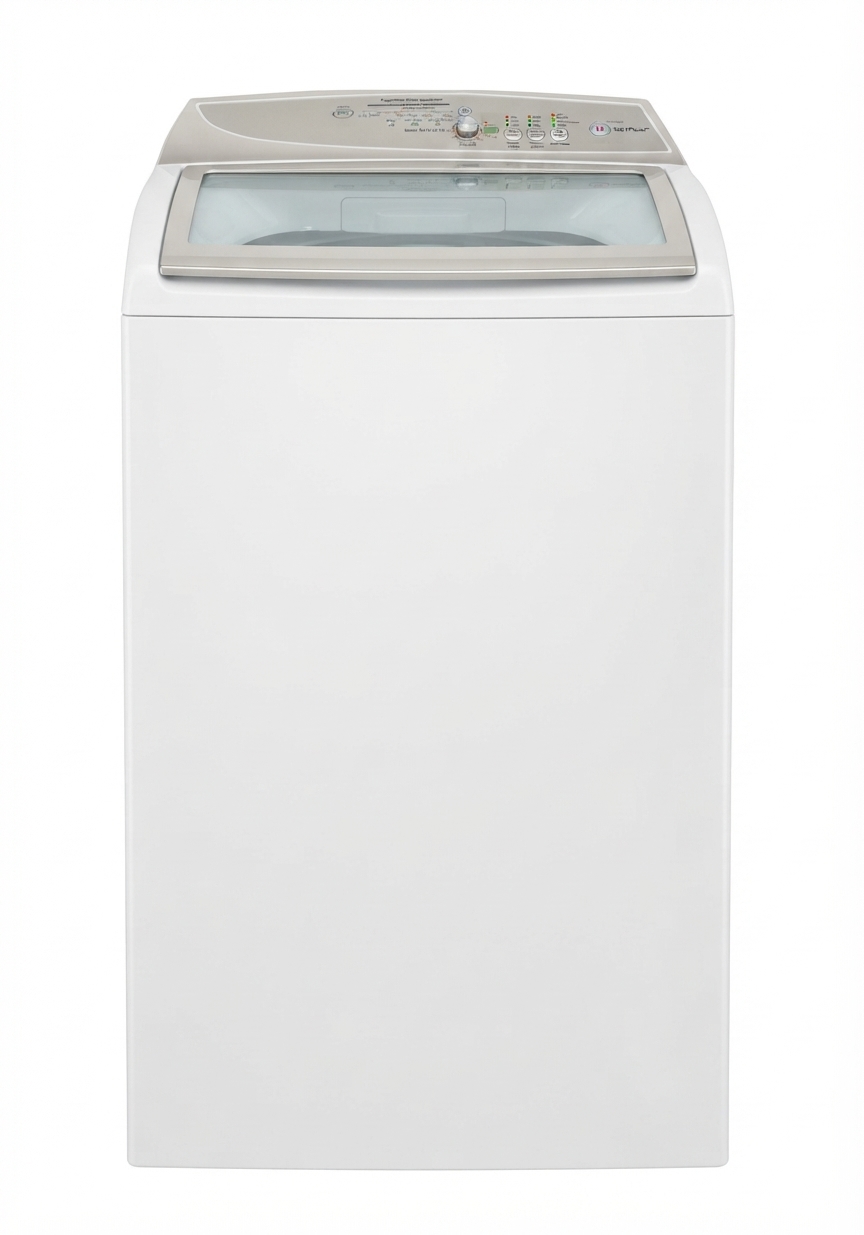
The fisher&paykel Elba Series Clothes washer is designed for households that want dependable laundry performance, straightforward controls, and practical capacity options for everyday washing needs. Positioned as a user-friendly solution for families, couples, and apartment living, this washer combines compact installation dimensions with efficient water and power usage, making it a strong fit for modern homes where space and utility costs matter. Depending on the model and market, the Elba lineup is typically available in compact, medium, and large capacities, with top-load configurations that appeal to users who prefer easy loading and faster access to the drum.
One of the biggest advantages of the fisher&paykel Elba Series Clothes washer is its balance of convenience and reliability. It is suitable for regular laundry loads such as daily wear, bedding, uniforms, and mixed fabrics, while also supporting eco-conscious washing through lower-consumption cycles and rinse options. Buyers often choose this series for its simple operation, durable build, and broad suitability for homes that need a practical washing machine without overly complex settings.
Estimated pricing usually varies by region, capacity, and retailer, but the Elba Series is commonly positioned in the budget-to-mid-range segment. Availability may differ by country, with stronger presence in Asia-Pacific and selected export markets. For shoppers comparing top-load washing machine options, this series offers a compelling mix of value, ease of use, and everyday washing performance.
Technical Specifications for fisher&paykel Elba Series Clothes washer
- Capacity options: Compact 5.5 kg, Medium 6.5 kg, Large 7.5 kg.
- Dimensions: Approximate width and depth range from 560 mm to 650 mm depending on size; height typically ranges from 1020 mm to 1050 mm, with lid-open height extending higher.
- Power supply: 220–240V, 50Hz sinusoidal, 165W.
- Water pressure: Maximum 1MPa (150 psi); minimum 34Pa (5 psi).
- Water flow requirement: Minimum 3 litres per minute.
- Installation requirement: Standpipe height between 850 mm and 1200 mm.
- Water consumption per cycle: Varies by load size and rinse mode; example cycles range from about 65 L to 215 L depending on model and selected rinse settings.
- Load flexibility: Suitable for small, medium, and family laundry loads.
- Comparison with similar products: Compared with basic top-load washers, the fisher&paykel Elba Series Clothes washer generally offers more refined capacity choices and better control over water usage. Compared with premium front-load models, it is usually simpler, easier to load, and often more affordable, though front-load washers may provide higher spin speeds and greater energy efficiency.
In practical use, this series is best for users who want a reliable daily washer with simple setup rather than advanced smart features. It fits well in compact laundry areas where a large front-loader may not be ideal.
Troubleshooting the fisher&paykel Elba Series Clothes washer
Common issues with the fisher&paykel Elba Series Clothes washer usually relate to water supply, drainage, loading balance, or power connection. If the washer does not start, first check that the lid is fully closed, the power plug is secure, and the outlet is working. If the machine does not fill with water, confirm that the inlet tap is open, hoses are not kinked, and water pressure is within the required range. If the washer drains poorly, inspect the standpipe, filter area, and outlet hose for blockages.
Typical fault indicators on this type of washer may include water inlet problems, drain issues, or imbalance warnings rather than highly complex digital error codes. If a cycle stops unexpectedly, reset the machine by switching it off for a few minutes and restarting with a smaller, more balanced load. Overloading is one of the most common causes of poor wash results, excessive vibration, and incomplete spin cycles.
Preventive care helps avoid most problems. Clean the lint filter regularly, avoid washing items with loose objects in pockets, and use the correct detergent amount to reduce residue buildup. Warranty coverage and service terms vary by region, but washing machines in the ELBA/Fisher & Paykel ecosystem are commonly supported through local customer care channels and authorized service centers. For assistance, check the retailer’s service page or the brand’s customer care contact listed on the regional support website. Keep the model number, serial number, and purchase receipt ready when requesting help.
Pros and Cons of the fisher&paykel Elba Series Clothes washer
Pros
- Simple, easy-to-use controls that suit first-time users and busy households.
- Multiple capacity options make it easier to match the washer to household size.
- Compact footprint works well in apartments and smaller laundry spaces.
- Practical water usage options help reduce waste on smaller loads.
- Top-load design makes loading and unloading easier for many users.
- Good value for money for buyers who want dependable washing without premium pricing.
Cons
- May lack advanced smart features found in newer premium washers.
- Spin performance and fabric care options can be more basic than high-end front-load alternatives.
- Water usage is generally higher than the most efficient modern front-load models.
- Design emphasis is on practicality rather than luxury styling.
For shoppers comparing alternatives, the fisher&paykel Elba Series Clothes washer is strongest when affordability, ease of use, and compact installation matter most. If the priority is maximum energy efficiency or advanced wash programs, a newer front-load washer may be a better fit. For everyday laundry in a dependable package, however, this series remains a solid choice.
Customer Reviews of the fisher&paykel Elba Series Clothes washer
Customer feedback for the fisher&paykel Elba Series Clothes washer is generally positive, especially from users who value straightforward operation and reliable cleaning performance. Many buyers rate it around 4 out of 5 stars for convenience, capacity choices, and ease of maintenance.
- “Easy to use and fits perfectly in my small laundry area.” — 4.5/5
- “Good washing performance for everyday clothes and school uniforms.” — 4/5
- “Solid value for the price, but I wish it had more advanced cycle options.” — 3.8/5
- “Reliable and simple, though loud on heavier spin loads.” — 4/5
Common praise centers on ease of use, compact size, and practical load handling. Common complaints usually mention noise during spin cycles, limited advanced features, and the desire for lower water consumption. For buyers seeking a dependable washer for routine laundry rather than a feature-heavy appliance, this model family is often recommended as a sensible purchase.
Faqs
How do I set up fisher&paykel Elba Series Clothes washer for the first time?
Why is my fisher&paykel Elba Series Clothes washer not spinning or draining properly?
What wash settings should I use on fisher&paykel Elba Series Clothes washer for delicate fabrics?
How can I reduce noise and vibration from fisher&paykel Elba Series Clothes washer during spin cycles?
What detergent works best with fisher&paykel Elba Series Clothes washer and how much should I use?
How do I clean and maintain fisher&paykel Elba Series Clothes washer to prevent odors and buildup?
Can fisher&paykel Elba Series Clothes washer handle large bedding items like blankets and comforters?
What should I check if fisher&paykel Elba Series Clothes washer stops mid-cycle?
More fisher&paykel manuals
- Fisher&paykel DH8060C Heat Pump Cloths Dryer User Manual
- Fisher&paykel WH8060J Front Loader Washing Machine User Manual
- Fisher&paykel E331T Refrigerator User Manual
- Fisher&paykel DE7060M Vented Clothes Dryer User Manual
- Fisher&paykel OB60SC5LB Built-In-Oven User Manual
- Setup: Fisher&paykel DD603 Dish Drawer User Manual
Leave a Comment