
Setup: Flowater RS17 Refill Station User Manual
Content
flowater RS17 Refill Station Review and Product Manual
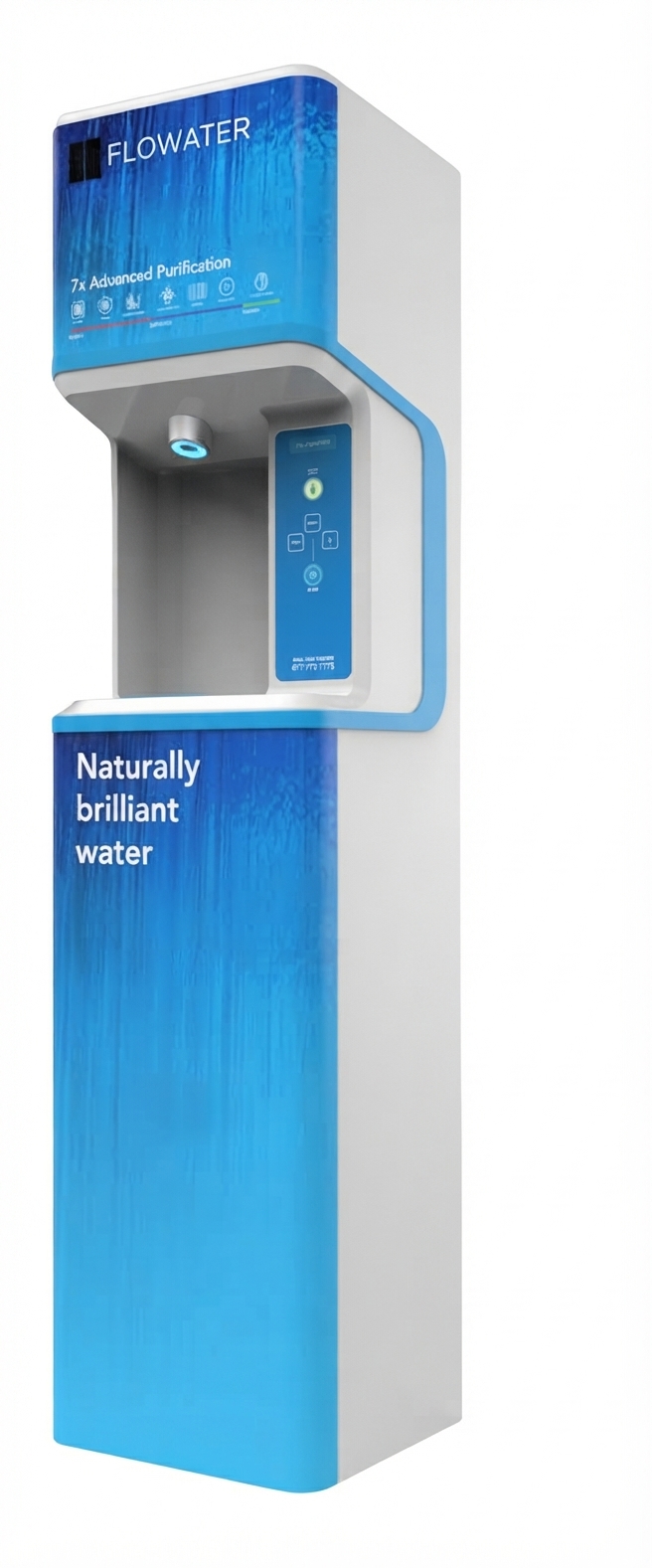
The flowater RS17 Refill Station is a premium bottle-filling and water purification system designed for offices, fitness centers, hotels, schools, and wellness-focused commercial spaces. Built around a 7x advanced purification process, it is engineered to transform municipal tap water into cold, better-tasting drinking water while reducing contaminants and supporting reusable bottle use. For buyers searching for a commercial water refill station that combines performance, convenience, and a polished user experience, the flowater RS17 Refill Station stands out as a high-end solution.
Key benefits include advanced filtration, chilled on-demand dispensing, ADA-compliant access, and a design intended to fit into modern environments where hydration and sustainability matter. The station supports standard municipal cold water connections and operates on typical residential-style electrical input, which simplifies installation in many locations. Its compact footprint for a floor-standing unit makes it suitable for lobbies, break rooms, gym floors, and hospitality spaces where space efficiency matters. The unit is also built to support frequent daily use, making it attractive for organizations that want a reliable bottle refill station with premium branding appeal.
The flowater RS17 Refill Station is generally positioned in the premium commercial category, so pricing is often quote-based rather than listed openly. Expected costs typically fall in the higher end of the water dispenser market, especially when installation, service, and maintenance are included. Availability is strongest through FloWater’s commercial sales channels and authorized regional partners, with some markets offering direct consultation for business and institutional buyers. This makes it a strong fit for decision-makers looking for a long-term hydration upgrade rather than a basic water cooler replacement.
Pros and Cons of the flowater RS17 Refill Station
Pros
- Advanced purification: The RS17 uses a multi-stage purification system designed to improve taste and reduce common tap-water contaminants, making it a strong choice for workplaces and public-facing spaces.
- Cold, on-demand water: The chilled reservoir and refill design make it practical for busy environments where people refill bottles throughout the day.
- Commercial-grade build: Its floor-standing format, durable materials, and ADA-friendly design suit high-traffic installations better than many countertop alternatives.
- Strong sustainability appeal: It helps reduce single-use plastic bottle consumption, which can support corporate wellness and environmental goals.
- Premium user experience: The station is visually polished and easier to market internally than a standard office water cooler.
Cons
- Higher total cost: Compared with basic bottleless coolers or filtered fountains, the RS17 is a more expensive investment.
- Installation requirements: It needs proper water and drain connections, which may add time and cost.
- Service dependency: Like many premium refill stations, ongoing maintenance and filter replacement can increase ownership costs.
- Best for commercial use: Buyers seeking a simple home dispenser may find it more machine than they need.
For value for money, the flowater RS17 Refill Station is strongest when used in high-traffic commercial settings where performance, appearance, and sustainability justify the premium. Compared with standard coolers, it offers a much more refined refill experience, but budget-focused buyers may prefer a simpler filtered dispenser.
Customer Reviews for flowater RS17 Refill Station
Customer feedback for the flowater RS17 Refill Station tends to highlight improved water taste, fast bottle filling, and a more premium feel than traditional office dispensers. Many users rate it around 4.5 out of 5 stars for convenience and water quality, especially in gyms, offices, and hospitality settings.
Common praise includes comments like, “The water tastes noticeably cleaner,” and “It refills bottles quickly during peak hours.” Users also appreciate the modern look and sustainability benefits. Common complaints usually focus on installation complexity, maintenance scheduling, and the cost of ownership. Some buyers mention that filter service and water-line setup should be planned in advance to avoid downtime.
Overall, the flowater RS17 Refill Station is a strong purchase recommendation for businesses that want a premium bottle refill station with reliable performance and a polished brand image. Buyers who prioritize low upfront cost over advanced features may want to compare it with standard bottleless coolers or basic filtered water dispensers before making a decision.
flowater RS17 Refill Station Setup and Usage Guide
What the RS17 is designed for
The flowater RS17 Refill Station is intended for municipal cold-water connections in indoor or outdoor commercial environments. It is commonly used in offices, fitness centers, hotels, and other spaces where frequent hydration is important. The station is built for high-volume refill activity and can support reusable bottles of many sizes.
Basic installation overview
- Connect the unit to a suitable cold water supply line.
- Ensure the water is clear before hookup and avoid installation if visible sediment is present.
- Provide the required electrical connection and keep the unit on a compatible circuit.
- Allow enough space for front access, maintenance, and bottle filling.
- Schedule professional installation for water line, drain, and commissioning steps.
Daily operation
- Place a bottle or container under the dispense area.
- Activate the refill function according to the station controls.
- Use the station regularly to maintain fresh chilled water circulation.
- Monitor the display or service indicators for filter or maintenance alerts.
Maintenance tips
- Replace filters on schedule to preserve water quality and taste.
- Clean the dispensing area and tray routinely.
- Inspect drain components and surrounding surfaces for buildup.
- Use authorized service procedures for internal components and performance checks.
Key Specifications and Features
- Floor-standing commercial refill station
- Chilled, purified water dispensing
- Designed for municipal tap water connection
- ADA-compliant access requirements
- Compact commercial footprint for high-traffic locations
- Premium filtration system for improved taste and reduced contaminants
- Suitable for reusable bottles and hydration stations
Faqs
How do I set up the flowater RS17 Refill Station for the first time?
What should I do if the flowater RS17 Refill Station is not dispensing water correctly?
Which water source and pressure requirements does the flowater RS17 Refill Station need?
How can I optimize the refill speed and performance of the flowater RS17 Refill Station?
Why is the flowater RS17 Refill Station showing an error light or warning message?
How often should I clean and maintain the flowater RS17 Refill Station?
Is the flowater RS17 Refill Station compatible with different container sizes or refill formats?
What are the best troubleshooting steps if the flowater RS17 Refill Station develops leaks?
Tags
Leave a Comment