
Foredom Flexible Shaft Power Tools User Manual
Content
Foredom Flexible Shaft Power Tools: Complete Product Manual and Buyer Guide
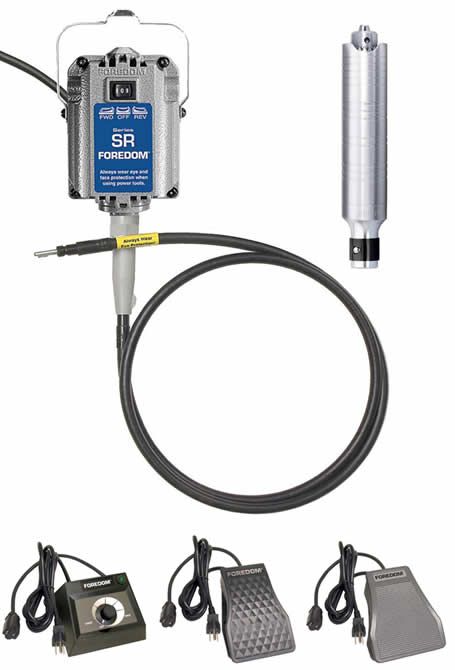
Foredom flexible shaft power tools are among the most trusted rotary systems for precision work, offering a separate motor, flexible shaft, handpiece, and speed control for excellent control and versatility. The foredom Flexible Shaft Power Tools lineup is widely used for jewelry making, engraving, polishing, carving, deburring, stone setting, dental lab work, model making, and woodcraft because it combines high torque with smooth, low-vibration operation.
One of the biggest advantages of a Foredom flex shaft tool is its ability to deliver controlled power at the handpiece, letting users work on delicate details without the bulk of a standard rotary tool. Popular systems often feature reversible rotation, variable speed control, and quick-disconnect handpiece compatibility, making them suitable for both beginners and professionals. Typical kits are available in 115V and 230V versions, with common pricing ranging from about $335 to over $600 depending on motor series, shaft type, and included handpieces. More complete kits and specialized industrial models can cost more.
Availability is generally strong through industrial suppliers, jewelry tool retailers, and specialty craft distributors. The foredom Flexible Shaft Power Tools category includes entry-level and heavy-duty options, so buyers can choose between compact bench setups and more powerful industrial-grade machines. For anyone needing precision, durability, and long-term value, Foredom remains a benchmark name in flexible shaft rotary tools.
Specifications: Foredom Flexible Shaft Rotary Tool Features and Performance
- Motor type: Universal or permanent-magnet DC depending on the series
- Typical power: Common SR models use 1/6 HP; TX series models are stronger at roughly 1/3 HP
- Speed range: Up to 18,000 RPM on SR models; higher-performance industrial variants may offer broader torque delivery across 500 to 15,000 RPM
- Rotation: Forward and reverse on many models for greater control
- Voltage: 115V and 230V options available
- Shaft length: Many systems use a 39-inch key-tip shaft; some heavy-duty kits use a 63-inch square-drive shaft
- Noise level: Around 68 decibels on select models, making them quieter than many comparable bench tools
- Handpiece compatibility: Quick-disconnect and chuck-style handpieces are commonly supported
- Control options: Built-in speed control or foot pedal speed control depending on kit
Compared with compact rotary tools, the foredom Flexible Shaft Power Tools line delivers better torque, cooler running performance, and more ergonomic precision for extended use. Compared with other flex shaft systems, Foredom stands out for its broad accessory ecosystem, repair support, and multiple motor tiers for different workloads.
Troubleshooting: Common Foredom Flex Shaft Tool Problems and Fixes
If a Foredom flex shaft tool is underperforming, the issue is often related to the shaft, handpiece, speed control, or maintenance rather than the motor itself. Below are the most common problems and practical solutions.
- Tool runs slowly or loses power: Check for bent shafts, worn brushes, insufficient lubrication, or an overloaded handpiece. Reduce pressure and inspect the shaft assembly.
- Excessive vibration: Replace a damaged shaft, confirm the sheath is seated correctly, and make sure the handpiece is properly attached.
- Overheating: Avoid prolonged heavy load, keep ventilation clear, and let the motor rest during extended sessions.
- Speed control feels inconsistent: Inspect the foot pedal or built-in controller for wear and test with a different compatible accessory if available.
- Handpiece slips or binds: Clean the chuck, check the collet size, and ensure burs are seated correctly.
These systems typically do not use consumer-style error codes, so troubleshooting is usually mechanical and electrical rather than code-based. Preventive care includes regular shaft lubrication, cleaning dust from the motor housing, using the correct handpiece for the task, and avoiding side pressure on small burs. Foredom provides warranty coverage on many flexible shaft motor and speed control combinations for two years, while many other power tools and attachments are covered for 90 days. For support, users can contact Foredom customer service at 1-800-272-2885 or email customerservice@blackstoneind.com for repair guidance.
Pros and Cons of Foredom Flexible Shaft Power Tools
Pros
- Excellent precision: The flexible shaft design keeps the handpiece light and easy to control for fine work.
- Strong torque: Better than many compact rotary tools when cutting, carving, or polishing under load.
- Wide application range: Ideal for jewelry, engraving, sculpting, model building, and lapidary work.
- Accessory ecosystem: Many handpieces, shafts, and controls are available for task-specific setups.
- Professional durability: Built for long-term workshop use and frequent operation.
Cons
- Higher cost: Entry kits are more expensive than consumer rotary tools, though the performance justifies the price for serious users.
- More setup required: Motor, shaft, handpiece, and speed control need proper assembly and maintenance.
- Bulkier footprint: Not as portable as a cordless rotary tool.
- Learning curve: New users may need time to choose the right handpiece and pressure technique.
For value for money, the foredom Flexible Shaft Power Tools line is strongest for users who need accuracy and durability more than portability. Compared with lightweight alternatives, Foredom is the better choice for workshop-grade performance and long sessions.
Customer Reviews: What Buyers Say About Foredom Flexible Shaft Power Tools
Customer feedback is consistently positive, especially from jewelry makers, engravers, and craftsmen who need precise control. Typical ratings cluster around 4.5 out of 5 stars, with users praising smooth operation, low vibration, and reliable torque.
- Praise: “The handpiece feels balanced and the motor has plenty of power for polishing and carving.”
- Praise: “It is quieter and easier to control than my old rotary tool.”
- Complaint: “The initial setup took longer than expected.”
- Complaint: “Replacement parts and accessories can add to the total cost.”
Most users recommend the foredom Flexible Shaft Power Tools range for serious hobbyists and professionals rather than casual users. Buyers who need dependable precision, upgradeable accessories, and long service life usually find the investment worthwhile.
Buying Guide: Is Foredom the Right Flexible Shaft Power Tool?
If you need a versatile rotary system for detailed work, Foredom is one of the best-known choices in the category. The brand is especially strong for users who want professional results in a bench-mounted tool with expandable handpiece options and reliable performance under load.
Choose a standard SR-style kit for general jewelry, polishing, and engraving tasks. Choose a heavier-duty TX-style kit if you need more torque, industrial endurance, or a stronger motor for demanding materials. For most buyers, the best match depends on workload, preferred control style, and whether a 39-inch key-tip shaft or a heavier square-drive setup is more suitable.
In short, foredom Flexible Shaft Power Tools are a smart purchase for anyone who values precision, workshop reliability, and long-term support over low upfront cost.
Faqs
How do I set up foredom Flexible Shaft Power Tools for the first time?
Why is my foredom Flexible Shaft Power Tools handpiece vibrating or making noise?
What accessories are compatible with foredom Flexible Shaft Power Tools?
How do I choose the right speed for foredom Flexible Shaft Power Tools?
What should I do if foredom Flexible Shaft Power Tools are losing power during use?
How do I maintain foredom Flexible Shaft Power Tools for long-term performance?
Can foredom Flexible Shaft Power Tools handle detailed jewelry or engraving work?
What is the best way to reduce fatigue when using foredom Flexible Shaft Power Tools for long sessions?
Tags
Leave a Comment