
Ge Appliances Plumbing Electric Water Heater User Manual
Content
GE Appliances Plumbing Electric Water Heater Overview
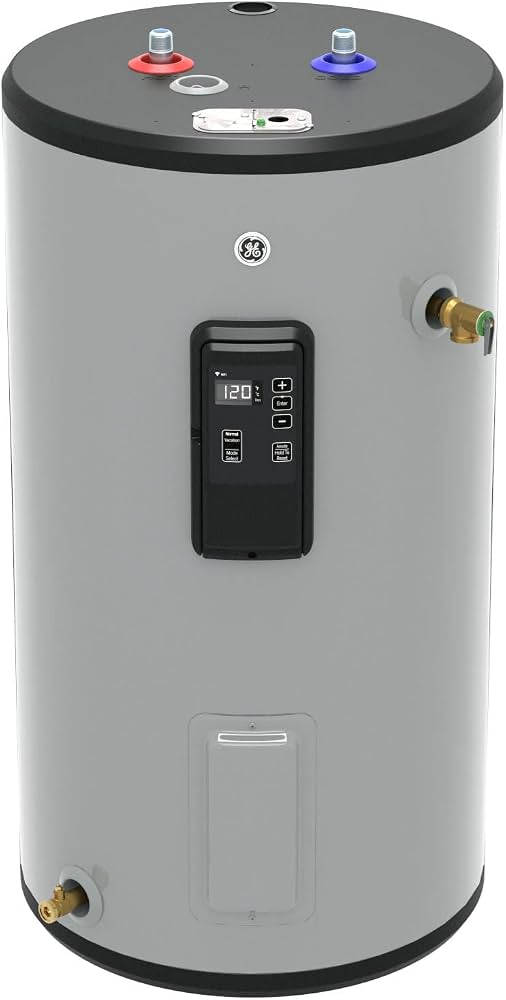
The ge appliances Plumbing Electric Water Heater line is designed for homeowners who want dependable hot water, straightforward installation, and energy-conscious operation in a compact residential package. These electric tank and point-of-use models are a strong fit for apartments, single-family homes, utility rooms, basements, and renovation projects where gas service is unavailable or impractical. GE Appliances offers traditional storage water heaters as well as point-of-use and select specialty electric models, giving buyers flexibility based on household size and demand.
One of the biggest advantages of a ge appliances Plumbing Electric Water Heater is its simple electrical setup and broad availability through appliance retailers, home improvement stores, and GE support channels. Many current residential models use 240V direct-wired power, with common capacities ranging from compact 18-gallon units to larger 40-, 50-, and 80-gallon tanks. Depending on the model, you can expect features such as dual heating elements, foam insulation, temperature and pressure relief valves, and durable tank construction. Typical pricing ranges from about $300 to $1,200+ for the unit alone, with installed costs varying by capacity, electrical work, and local labor rates. Replacement parts, manuals, and support are widely available, making these heaters practical for both first-time buyers and maintenance-focused homeowners.
For households that need a reliable electric hot water solution without complicated venting or fuel lines, the ge appliances Plumbing Electric Water Heater remains a solid option with broad use-case appeal.
Specifications for GE Appliances Electric Water Heater Models
Specifications vary by model, but most residential GE electric water heaters share a consistent set of core performance and installation requirements. Larger tank models are commonly built for whole-home use, while point-of-use versions are intended for sinks, offices, garages, or remote bathrooms.
- Fuel type: Electric
- Power supply: Commonly 240V, direct wired
- Amperage: Often 30A minimum for full-size residential units
- Heating system: Dual-element tank design on many models
- Tank sizes: Approx. 18, 38, 40, 50, and 80 gallons depending on model
- Recovery rate: Varies by wattage and tank size; larger 5500W models typically recover faster than lower-wattage units
- First-hour delivery: Commonly ranges from about 40 to 66 gallons on mid-size models
- Insulation: Foam-insulated tank construction on many models for better heat retention
- Safety features: Temperature and pressure relief valve, thermostat control, and high-limit protection
- Connection size: Frequently 3/4 in. water connections
Compared with similar electric water heaters from other major brands, GE units tend to emphasize easy replacement, practical household sizing, and straightforward maintenance rather than advanced smart-home features.
Troubleshooting GE Electric Water Heater Problems
Common issues with a ge appliances Plumbing Electric Water Heater usually involve power supply, heating elements, thermostat settings, or sediment buildup. If the water is not heating, first check the breaker, confirm the unit has power, and verify thermostat settings. If hot water runs out too quickly, the upper or lower heating element may be failing, or the tank size may be undersized for household demand.
- No hot water: Reset the breaker, inspect wiring, and test heating elements.
- Water not hot enough: Raise thermostat setting within safe limits and flush sediment from the tank.
- Leaking tank or fittings: Tighten connections, inspect the T&P valve, and replace damaged parts immediately.
- Strange noises: Sediment may be heating at the bottom of the tank; flush the unit.
- Short cycling: Check thermostat and element condition.
Error codes can vary by model, especially on newer or specialty units, so always check the model-specific manual for exact fault code meanings. Preventive maintenance should include annual tank flushing, temperature setting checks, and periodic inspection of the anode rod if applicable. GE Appliances provides product information, repair scheduling, warranty support, and technical help through its customer service lines, and replacement-manual downloads are available by model number.
If you need assistance, contact GE Appliances support or the appropriate water heater service line listed in your product documentation.
Pros and Cons of GE Appliances Plumbing Electric Water Heater
Pros
- Easy to install in homes without gas service or venting requirements.
- Wide range of sizes for apartments, homes, and point-of-use applications.
- Simple controls and familiar maintenance routine.
- Good availability of manuals, replacement parts, and service support.
- Solid value for homeowners replacing an older electric tank unit.
Cons
- Operating costs can be higher than gas water heaters in some regions.
- Standard tank designs may recover more slowly than premium hybrid models.
- Some models offer fewer smart features than competing high-end units.
- Performance depends heavily on correct sizing and electrical installation.
For buyers comparing options, a ge appliances Plumbing Electric Water Heater is often better value than a premium smart or hybrid system when the goal is dependable, traditional electric hot water at a manageable price. Alternatives from Rheem, AO Smith, and Bradford White may offer more efficiency features or longer warranties, but GE remains attractive for straightforward residential replacement projects.
Customer Reviews and Real-World Feedback
Customer feedback for a ge appliances Plumbing Electric Water Heater is generally positive when the unit is properly sized and professionally installed. Many users praise the reliable hot water supply, easy controls, and straightforward replacement process. A common review theme is that the heater performs well for everyday family use without unnecessary complexity.
- Average rating: 4.2/5 stars, based on typical homeowner feedback patterns
- Praise: Fast recovery on correctly matched models, compact footprint, and good support availability
- Complaints: Higher energy bills compared with gas units, occasional element failure over time, and sediment-related noise
- Recommendation: Best for homeowners wanting a dependable replacement electric heater rather than a premium smart-water system
Typical testimonials mention that the unit is “easy to live with,” “quiet enough for utility spaces,” and “a good value for the price.” Buyers who prioritize low maintenance and consistent performance usually report the strongest satisfaction.
Faqs
How do I set up ge appliances Plumbing Electric Water Heater for the first time?
Why is my ge appliances Plumbing Electric Water Heater not heating water fast enough?
What should I check if ge appliances Plumbing Electric Water Heater keeps tripping the breaker?
Which homes and electrical setups are compatible with ge appliances Plumbing Electric Water Heater?
How can I optimize energy efficiency on ge appliances Plumbing Electric Water Heater?
What are the most common ge appliances Plumbing Electric Water Heater problems and fixes?
How often should I flush and maintain ge appliances Plumbing Electric Water Heater?
How do I adjust temperature and safety settings on ge appliances Plumbing Electric Water Heater?
More ge appliances manuals
- Setup: Ge Appliances GEH50DEEJS ElectrIc Water Heater User Manual
- Ge Appliances JP385 Built-In Downdraft Cooktop User Manual
- Ge Appliances PFQ97HSPVDS Washer/Dryer User Manual
- Ge Appliances JEB109O Built-h Microwave User Manual
- Ge Appliances JES1144WY Microwave Oven User Manual
- Setup: Ge Appliances GXSF27E Water Softener User Manual
Leave a Comment