
General Electric GE/12 Electric Undercounter Reverse Osmosis System User Manual
Content
General Electric GE/12 Electric Undercounter Reverse Osmosis System Overview
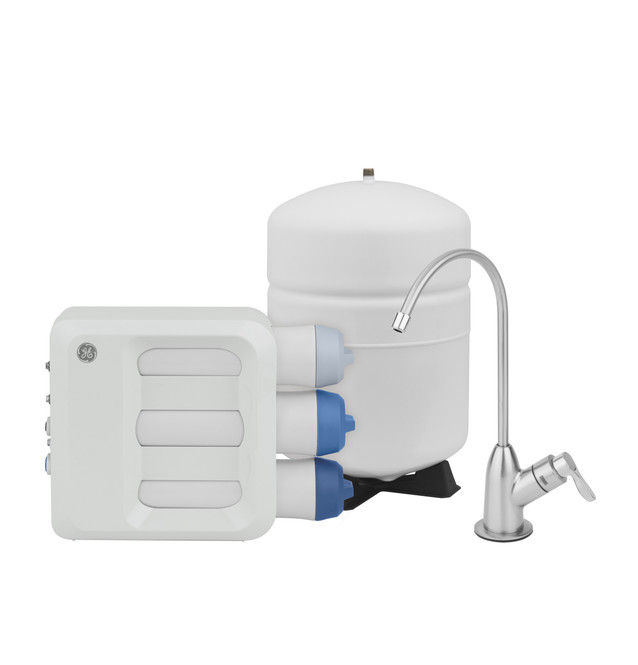
The general electric GE/12 Electric Undercounter Reverse Osmosis System is a compact home water filtration solution designed to fit neatly under a kitchen or bathroom sink. It is built for homeowners who want cleaner-tasting drinking water, reduced sediment, and dependable point-of-use filtration without taking up much counter space. This GE undercounter reverse osmosis system is especially well suited for families, apartment dwellers, and anyone looking for an efficient drinking water upgrade with a dedicated faucet.
One of the biggest advantages of the general electric GE/12 Electric Undercounter Reverse Osmosis System is its space-saving design combined with strong filtration performance. GE’s under-sink reverse osmosis systems are intended to remove a wide range of common contaminants while delivering fresh water directly from a separate faucet. Depending on the version and market availability, this type of GE RO system is typically priced in the mid-range segment, often estimated between $200 and $500, with replacement filters and installation accessories sold separately.
Availability may vary by retailer, appliance parts supplier, and model status, since some GE water filtration systems are sold as current products while others may appear as legacy or replacement-part-supported units. If you are comparing reverse osmosis water filtration systems, the GE/12 model remains attractive for its trusted brand name, straightforward undercounter installation, and practical everyday use in homes that want reliable drinking water filtration with minimal visual clutter.
Troubleshooting Common Problems with the GE/12 Under Sink RO System
If the general electric GE/12 Electric Undercounter Reverse Osmosis System stops producing water, the most common causes are low incoming water pressure, clogged prefilters, a saturated membrane, or a closed shutoff valve. If water flow is slow, check the storage tank pressure and confirm that the tank valve is fully open. If the water tastes unusual, replace the filters and flush the system before normal use resumes.
Some GE reverse osmosis systems use electronic filter-change indicators rather than detailed error codes. When the filter light stays on, blinks, or does not reset properly, replace the filters according to the service interval and follow the reset procedure in the owner’s manual. If the unit is leaking, inspect the tubing connections, tank fitting, faucet stem, and filter housing for loose or damaged parts. Preventive care includes changing filters on schedule, keeping the cabinet area dry, and checking tubing annually for wear.
GE support for water filtration products is available through GE Appliances customer service and the GE Water Products support line. For service, parts, or warranty questions, contact GE Appliances at 1-800-626-2005 or GE Water Products at 1-800-952-5039. GE also provides in-home repair support in many areas, and warranty service is typically handled through authorized service providers.
Pros and Cons of the General Electric GE/12 Electric Undercounter Reverse Osmosis System
Pros
- Compact under-sink design saves counter space and keeps the kitchen looking clean.
- Dedicated reverse osmosis faucet provides convenient filtered drinking water on demand.
- Strong brand recognition and broad support for replacement parts and service.
- Good choice for homeowners who want a traditional undercounter reverse osmosis system instead of a bulky countertop purifier.
- Solid value for money if you need dependable everyday filtration without moving to a premium tankless system.
Cons
- Installation is more involved than a pitcher filter or faucet-mounted filter.
- Reverse osmosis systems waste some water during filtration, which may concern efficiency-focused buyers.
- Filter replacement and maintenance add long-term ownership costs.
- Older GE models may be harder to compare directly with newer tankless reverse osmosis systems from competing brands.
- Not ideal for users who want ultra-fast flow or minimum maintenance.
Compared with pitcher filters, the GE/12 system offers far better purification and capacity. Compared with modern tankless RO units, it may feel less advanced, but it can still be a practical, budget-conscious option for reliable drinking water filtration.
Customer Reviews and Real-World Feedback on the GE Undercounter Reverse Osmosis System
Customer feedback for GE undercounter reverse osmosis systems is generally positive, especially among users who value cleaner taste and easier access to filtered water. Many owners rate the system around 4 out of 5 stars for everyday performance, installation quality, and the convenience of the separate RO faucet. Typical praise includes noticeably better water taste and a compact footprint under the sink.
Common complaints focus on filter replacement costs, periodic maintenance, and occasional slow flow when the tank is low or the filters are overdue for service. Some users also mention that reverse osmosis systems require more planning than basic filters. A frequent testimonial style comment is: “The water tastes much better, and the setup fits perfectly under my sink.” Another common review is: “It works well, but staying on top of filter changes is important.”
For buyers comparing the general electric GE/12 Electric Undercounter Reverse Osmosis System with newer RO systems, it remains a good recommendation if you want a proven under-sink design, dependable water quality, and strong long-term support. If low maintenance or tankless performance matters more, a newer reverse osmosis system may be a better fit.
Faqs
How do I set up the general electric GE/12 Electric Undercounter Reverse Osmosis System for the first time?
What water pressure and plumbing conditions does the general electric GE/12 Electric Undercounter Reverse Osmosis System need?
Why is the general electric GE/12 Electric Undercounter Reverse Osmosis System producing water slowly?
How often should I replace filters in the general electric GE/12 Electric Undercounter Reverse Osmosis System?
What should I do if the general electric GE/12 Electric Undercounter Reverse Osmosis System has a bad taste or odor?
Is the general electric GE/12 Electric Undercounter Reverse Osmosis System compatible with refrigerator ice makers or secondary faucets?
How do I improve the performance of the general electric GE/12 Electric Undercounter Reverse Osmosis System?
What maintenance and cleaning steps are important for the general electric GE/12 Electric Undercounter Reverse Osmosis System?
Leave a Comment