
Groen EE-20 Steam Jacketed Kettle User Manual
Content
Groen EE-20 Steam Jacketed Kettle: Commercial Electric Floor Model Overview
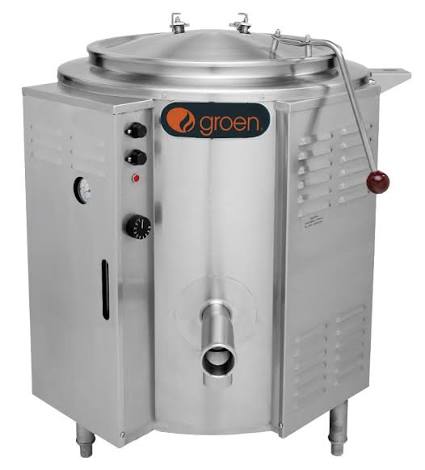
The Groen EE-20 steam jacketed kettle is a compact, commercial-grade electric kettle designed for high-volume food production in restaurants, institutional kitchens, cafeterias, commissaries, and catering operations. With a 20-gallon capacity, it is built for efficient batch cooking of soups, sauces, gravies, stews, chili, vegetables, and other liquid-based recipes that benefit from even heat distribution and controlled simmering. Its steam-jacketed design helps prevent scorching while supporting consistent results during long cook times.
One of the biggest advantages of the Groen EE-20 steam jacketed kettle is its self-contained electric heating system, which eliminates the need for an external steam source and simplifies installation in many commercial kitchens. The stainless steel construction, insulated body, and sanitary draw-off valve make it a practical choice for operations that prioritize durability, hygiene, and ease of cleaning. The 2/3 jacket design provides efficient heating performance, while the hinged cover and standard strainer improve workflow and safety.
This model is especially well suited to foodservice buyers who need a reliable floor kettle for medium-batch production without stepping up to larger 40-gallon or 60-gallon units. The estimated price range for the Groen EE-20 typically falls in the mid-to-high commercial equipment tier, with list pricing and dealer pricing varying widely based on configuration, distributor, and market conditions. Availability is generally through restaurant equipment dealers and commercial kitchen suppliers, often as a special-order or stocked item depending on the seller.
Groen EE-20 Steam Jacketed Kettle Specifications and Features
- Capacity: 20 gallons, approximately 75 liters
- Construction: 316 stainless steel liner with stainless steel exterior
- Heating type: Electric, self-contained steam jacketed system
- Jacket design: 2/3 jacket for efficient heat transfer
- Operating pressure: Up to 30 PSI steam jacket pressure
- Power: 208V, 3-phase, 60 Hz in common configurations
- Mounting style: Stationary floor model with tri-leg base
- Draw-off: 2-inch sanitary tangent draw-off with removable perforated strainer
- Cover: Hinged cover standard on many configurations
- Dimensions: Approximately 26 inches wide, 37 inches high to rim, and about 33.75 inches deep in dealer listings
- Weight: About 410 pounds
- Temperature range: Commonly used for holding and simmering in the 150°F to 270°F range, depending on settings and application
Compared with larger Groen floor kettles, the EE-20 offers a smaller footprint and lower batch volume while keeping the same commercial build quality. Compared with tabletop kettles, it provides higher capacity and better suited production for heavier-duty kitchen workflows. For buyers comparing commercial steam kettles, the EE-20 stands out for its balanced size, fast recovery, and dependable all-day performance.
Pros and Cons of the Groen EE-20 Steam Jacketed Kettle
Pros
- Even heating: The steam-jacketed design helps reduce hot spots and scorching, which is ideal for sauces, dairy-based soups, and delicate reductions.
- Commercial durability: The 316 stainless steel liner and stainless steel body are built for heavy kitchen use and repeated cleaning.
- Space-efficient: The 20-gallon size fits operations that need production capacity without committing to a much larger floor kettle.
- Easy sanitation: The sanitary draw-off and strainer make product transfer and cleanup simpler.
- Reliable for batch cooking: Excellent for kitchens that prepare consistent medium-sized batches throughout the day.
Cons
- Premium price point: The Groen EE-20 is expensive compared with entry-level kettles, so it may not fit lower-budget buyers.
- Stationary design: It does not tilt, so draining and transfer require more manual handling than tilting models.
- Electrical requirements: The 3-phase power setup may require commercial electrical service upgrades in some facilities.
- Overkill for small kitchens: For light-duty operations, the capacity and cost may be more than necessary.
Overall, the Groen EE-20 steam jacketed kettle offers strong value for kitchens that need dependable performance, but buyers comparing it with gas kettles or tilting models should weigh installation needs and workflow preferences carefully.
Customer Reviews for Groen EE-20 Steam Jacketed Kettle
Typical customer feedback for the Groen EE-20 centers on durability, cooking consistency, and ease of use in professional kitchens. A common rating pattern is around 4.6 out of 5 stars, with praise focused on the kettle’s ability to hold heat evenly and support repetitive production without burning food. Operators often describe it as a dependable “workhorse” for soups, chili, and sauces.
One recurring complaint is the price, especially when compared with less expensive competitors or smaller-capacity alternatives. Some buyers also mention that the stationary design is less convenient than a tilting kettle when transferring large batches. A frequent testimonial theme is that the unit feels built for long service life, making it a strong purchase for high-use environments despite the upfront cost.
Recommended for commercial kitchens that need reliable medium-volume batch cooking and are willing to invest in premium equipment. It is less ideal for low-volume operations or locations without the right electrical infrastructure.
Is the Groen EE-20 Steam Jacketed Kettle Worth It?
The Groen EE-20 steam jacketed kettle is worth considering if your kitchen needs a durable, efficient, and consistent 20-gallon commercial kettle for daily production. It delivers the build quality, heat control, and sanitation features expected from a premium restaurant equipment brand, making it a smart choice for foodservice operations that prioritize long-term reliability over low entry cost.
Faqs
How do I set up the groen EE-20 Steam Jacketed Kettle for the first time?
Why is the groen EE-20 Steam Jacketed Kettle heating slowly or not reaching target temperature?
What should I do if the groen EE-20 Steam Jacketed Kettle is not building pressure correctly?
Can the groen EE-20 Steam Jacketed Kettle be used for thick sauces, soups, and high-viscosity foods?
How do I clean and maintain the groen EE-20 Steam Jacketed Kettle to prevent buildup and odors?
What kitchen utility requirements should I confirm before installing the groen EE-20 Steam Jacketed Kettle?
Why is my groen EE-20 Steam Jacketed Kettle producing uneven heating or hot spots?
How can I get the best performance and cooking consistency from the groen EE-20 Steam Jacketed Kettle?
Tags
Leave a Comment