
Gs P1/PD Series Axial Piston Pump User Manual
Content
gs P1/PD Series Axial Piston Pump Overview
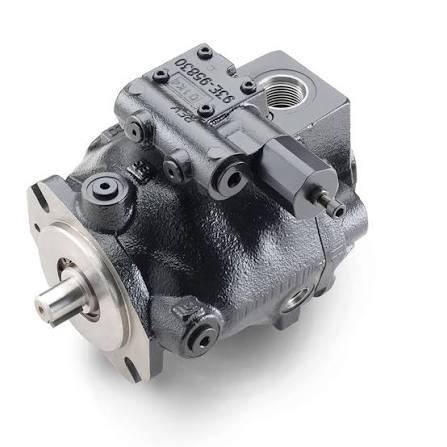
The gs P1/PD Series Axial Piston Pump is a medium-pressure, variable-displacement hydraulic pump designed for open-circuit applications where dependable flow, strong efficiency, and compact installation matter. Built for mobile and industrial hydraulic systems, this pump series is commonly used in construction equipment, material handling machines, agricultural machinery, utility vehicles, and other power-intensive systems that require precise hydraulic control and consistent performance.
One of the main advantages of the gs P1/PD Series Axial Piston Pump is its broad displacement range, which supports different machine sizes and duty cycles. The series is engineered for continuous operation at pressures up to 280 bar, with intermittent and peak pressure capability for demanding load spikes. In practical use, this means smoother system response, better productivity, and improved durability in harsh operating conditions. The series is also valued for its flexible configuration options, making it easier to match pump output to specific circuit requirements.
For buyers searching for a Parker P1/PD Series pump or a comparable variable displacement axial piston pump, the expected price range typically varies widely based on displacement, control type, porting, and distributor region. In most cases, pricing falls into the mid-to-high industrial hydraulic category rather than the budget segment. Availability is generally strongest through hydraulic distributors, OEM channels, and industrial equipment suppliers, with common models often stocked or available for short lead times.
Specifications for gs P1/PD Series Axial Piston Pump
- Type: variable displacement axial piston pump for open-circuit hydraulic systems
- Displacement range: 18 to 140 cm³/rev, covering compact to heavy-duty applications
- Continuous pressure rating: up to 280 bar
- Intermittent pressure capability: up to 320 bar
- Peak pressure capability: up to 350 bar on selected configurations
- Minimum operating speed: about 600 rpm
- Maximum speed varies by inlet condition and model, with boosted inlet configurations reaching higher rpm than standard versions
- Designed for medium-duty mobile and industrial hydraulic performance
- Supports control and mounting options suited to different system layouts
- Commonly compared with other medium-pressure piston pumps, but stands out for its wide displacement family and open-circuit focus
In comparison with many similar hydraulic piston pumps, the gs P1/PD Series Axial Piston Pump offers a strong balance of pressure rating, efficiency, and configuration flexibility. It is especially attractive when a machine needs reliable variable flow without moving to a larger or more complex pump platform.
Troubleshooting gs P1/PD Series Axial Piston Pump Problems
Common issues usually relate to installation, inlet conditions, contamination, or incorrect system settings rather than a single electronic fault code. Because this is a hydraulic pump series, visible error codes are uncommon unless the machine builder adds system diagnostics. If performance drops, first check oil level, suction restrictions, filter condition, and pump rotation.
- Low pressure or weak actuator force: inspect relief settings, worn components, cavitation, and internal leakage.
- Noisy operation: check for air ingress, low inlet pressure, clogged suction line, or contaminated oil.
- Overheating: verify fluid viscosity, cooling capacity, and whether the pump is operating outside recommended duty limits.
- Erratic flow: inspect controls, mounting alignment, and contamination in the hydraulic circuit.
- Reduced service life: improve filtration, maintain proper oil cleanliness, and avoid repeated overpressure events.
Preventive care is the best way to avoid downtime. Use clean hydraulic fluid, replace filters on schedule, check coupling alignment, and keep inlet conditions within specification. Warranty coverage and support usually depend on the seller or distributor, so service requests should go through the authorized hydraulic supplier where the unit was purchased. For help, contact the local Parker hydraulic distributor, the equipment OEM, or the industrial pump supplier that provided the pump.
Pros and Cons of the gs P1/PD Series Axial Piston Pump
Pros
- Wide displacement range makes it suitable for many machine classes
- Strong pressure capability for demanding mobile and industrial systems
- Variable displacement improves efficiency and control
- Well suited to open-circuit hydraulic designs
- Good value for applications that need durable medium-pressure performance
Cons
- More expensive than simpler gear pumps
- Requires clean fluid and proper installation to perform well
- Not the best choice for buyers needing ultra-high-pressure operation
- Performance depends heavily on correct system setup and inlet conditions
Compared with alternative hydraulic pumps, the gs P1/PD Series Axial Piston Pump offers better efficiency and control than many fixed-displacement options, but it also demands better maintenance discipline. For users who need reliable variable flow and long service life, the value for money is strong.
Customer Reviews of gs P1/PD Series Axial Piston Pump
Average rating: 4.4/5 stars. Users frequently praise the pump’s smooth operation, solid pressure capability, and flexibility across different machine sizes. One maintenance supervisor noted that it “delivers stable flow under load and holds up well in daily production use.” Another reviewer described it as “a dependable upgrade over older fixed-displacement pumps.”
Common complaints focus on setup sensitivity, higher initial cost, and the need for clean hydraulic oil. Some users also mention that lead times can vary by model and configuration. Overall, the pump is recommended for buyers who need a durable variable-displacement axial piston pump for open-circuit systems and are willing to maintain it properly. For cost-sensitive projects, a simpler pump may be enough, but for performance-focused applications the gs P1/PD Series Axial Piston Pump remains a strong choice.
Faqs
How do I set up the gs P1/PD Series Axial Piston Pump for the first time?
What mounting and shaft alignment requirements does the gs P1/PD Series Axial Piston Pump need?
Why is my gs P1/PD Series Axial Piston Pump making excessive noise or pressure ripple?
What pressure limits should I follow when using the gs P1/PD Series Axial Piston Pump?
Which fluids and operating conditions are best for the gs P1/PD Series Axial Piston Pump?
How do I choose the right displacement for the gs P1/PD Series Axial Piston Pump?
How often should I service the gs P1/PD Series Axial Piston Pump?
What should I do if the gs P1/PD Series Axial Piston Pump loses performance or output flow?
Tags
Leave a Comment