
Gsw Electric Water Heater User Manual
Content
gsw Electric Water Heater: Complete Product Manual and Buying Guide
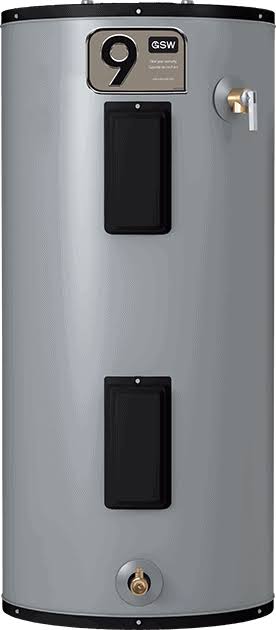
The gsw Electric Water Heater is a dependable residential hot water solution designed for households that want consistent performance, simple operation, and long service life. Built with a glass-lined steel tank and electric resistance heating elements, it delivers reliable hot water for daily use in kitchens, bathrooms, laundry rooms, and small commercial spaces. Homeowners often choose this model for its practical sizing options, energy-conscious design, and straightforward maintenance requirements.
One of the main advantages of a gsw Electric Water Heater is its range of tank capacities and input ratings, making it suitable for apartments, family homes, cottages, and replacement installations. Common configurations include 40-gallon and 60-gallon units, with 240V power and element outputs around 3000W to 4500W depending on model. These systems are especially useful where natural gas is unavailable or where users prefer an electric-only hot water setup.
Typical buyers include homeowners replacing an aging storage tank, contractors handling renovation work, and property managers needing a durable conventional water heater. In Canada, GSW electric water heaters are commonly available through home improvement retailers and plumbing supply outlets, with estimated pricing generally ranging from the mid-hundreds to over one thousand dollars depending on capacity, model series, and regional availability. The combination of accessible sizing, reasonable operating performance, and broad retail availability makes this product a strong option for standard hot water needs.
Specifications for gsw Electric Water Heater Models
Specifications vary by tank size and model series, but most residential GSW electric water heaters share a similar design and feature set. Below are the most common technical details found in standard models:
- Tank capacity: 40 US gallons (about 182 L) and 60 US gallons (about 287 L) are common residential sizes.
- Power supply: 240 VAC electric operation.
- Heating elements: Typically 3000W on smaller models and 4500W on larger models.
- Water connections: 3/4-inch NPT fittings for standard plumbing hookups.
- First-hour rating: Around 60 GPH for 40-gallon units and up to 81 GPH for 60-gallon units.
- Maximum water pressure: Commonly rated to 150 psi.
- Standby loss: Designed for efficient heat retention with low standby heat loss values.
- Construction: Glass-lined steel tank with corrosion protection features.
- Dimensions: Roughly 48–49 inches tall for 40-gallon units and about 60.5 inches tall for 60-gallon units.
- Weight: Heavier build for stability and durability, with larger units often around 170 lb shipping weight.
Compared with similar conventional electric water heaters, GSW models are competitive on recovery rate, tank insulation, and installation-friendly sizing. They are a strong alternative to basic entry-level tanks when users want a familiar design with Canadian-market compatibility and dependable performance.
Troubleshooting Common gsw Electric Water Heater Problems
Most issues with a gsw Electric Water Heater are related to power supply, thermostat settings, sediment buildup, or worn heating elements. If the water is not heating, check the circuit breaker, fuses, and electrical supply first. Resetting a tripped breaker may restore operation, but repeated trips can indicate a deeper electrical fault that needs professional service.
- No hot water: Verify power, inspect the breaker, and confirm thermostat settings. If power is present but there is still no heating, a faulty element or thermostat may need replacement.
- Water not hot enough: Increase thermostat temperature carefully and check for sediment buildup affecting performance.
- Strange noises: Popping or rumbling often means sediment has collected in the tank. Flushing the tank can improve efficiency.
- Leaking tank or fittings: Tighten accessible connections and inspect the pressure relief valve. If the tank itself is leaking, replacement is usually required.
- Discolored water: Flush the tank and inspect the anode rod if applicable.
Some units may show fault indicators or control-related error conditions on connected models, but standard tank heaters usually rely on mechanical diagnostics rather than digital codes. Preventive maintenance includes annual flushing, checking the anode rod, testing the pressure relief valve, and keeping the area around the heater clean and dry. Warranty coverage commonly includes a tank warranty and limited parts coverage, while labor is often excluded. For help, contact the original retailer, the authorized GSW service channel, or a licensed plumber/electrician for electrical and installation issues.
Pros and Cons of the gsw Electric Water Heater
Pros
- Reliable hot water delivery: Suitable for everyday family use, from showers to laundry.
- Multiple capacity options: Easier to match the tank size to household demand.
- Simple electric design: Fewer fuel-system components than gas water heaters.
- Good replacement choice: Works well for standard retrofit installations.
- Durable construction: Glass-lined tank design helps resist corrosion.
- Value for money: Often priced competitively against similar conventional electric models.
Cons
- Recovery can be slower than gas: Large hot water demand may outpace smaller units.
- Requires 240V electrical service: Installation may need a qualified electrician.
- Tank size matters: Undersizing can lead to hot water shortages during peak use.
- Maintenance still required: Sediment buildup can reduce performance over time.
- Not a smart appliance: Standard versions lack advanced app-based controls found on premium alternatives.
Compared with tankless electric heaters, the gsw Electric Water Heater offers lower upfront complexity but less on-demand efficiency. Compared with premium hybrid models, it is typically simpler and more affordable, though not as energy efficient. For buyers who want dependable everyday performance at a practical price, it remains a solid option.
Customer Reviews and User Feedback on gsw Electric Water Heater
Customer feedback for GSW electric water heaters is generally positive, with many users giving them around 4 out of 5 stars for dependable heating and straightforward installation. Homeowners frequently praise the consistent water temperature, compact footprint, and good fit for standard replacement jobs.
Common compliments include quiet operation, fast recovery for normal household use, and durable tank construction. One typical review says, “It replaced my old heater without hassle and has delivered steady hot water ever since.” Another customer notes, “Simple, reliable, and a good value for the price.”
Frequent complaints usually involve slow recovery during high-demand periods, limited efficiency compared with more advanced systems, and occasional issues tied to sediment buildup or thermostat adjustment. For most buyers, the product is a strong recommendation if the goal is a standard electric storage water heater rather than a high-efficiency hybrid or tankless system.
Frequently Asked Questions About gsw Electric Water Heater
- How long does a gsw Electric Water Heater last? With proper maintenance, a standard electric tank water heater can provide many years of service.
- Does it work for a family home? Yes, especially 40-gallon and 60-gallon models for typical household hot water demand.
- Is professional installation required? Electrical hookup and plumbing connections should be completed by qualified professionals.
- How do I improve efficiency? Flush the tank regularly, set the thermostat appropriately, and insulate exposed hot water pipes.
Faqs
How do I set up a gsw Electric Water Heater for the first time?
Why is my gsw Electric Water Heater not producing enough hot water?
What should I do if my gsw Electric Water Heater is not heating at all?
How do I adjust the temperature on a gsw Electric Water Heater safely?
What are the main features of a gsw Electric Water Heater that help improve efficiency?
Is my home wiring compatible with a gsw Electric Water Heater?
How often should I flush and maintain a gsw Electric Water Heater?
Why is my gsw Electric Water Heater making popping or rumbling noises?
Tags
Leave a Comment