
John Wood Series 300 Gas Water Heater User Manual
Content
John Wood Series 300 Gas Water Heater: Complete Product Manual and Buying Guide
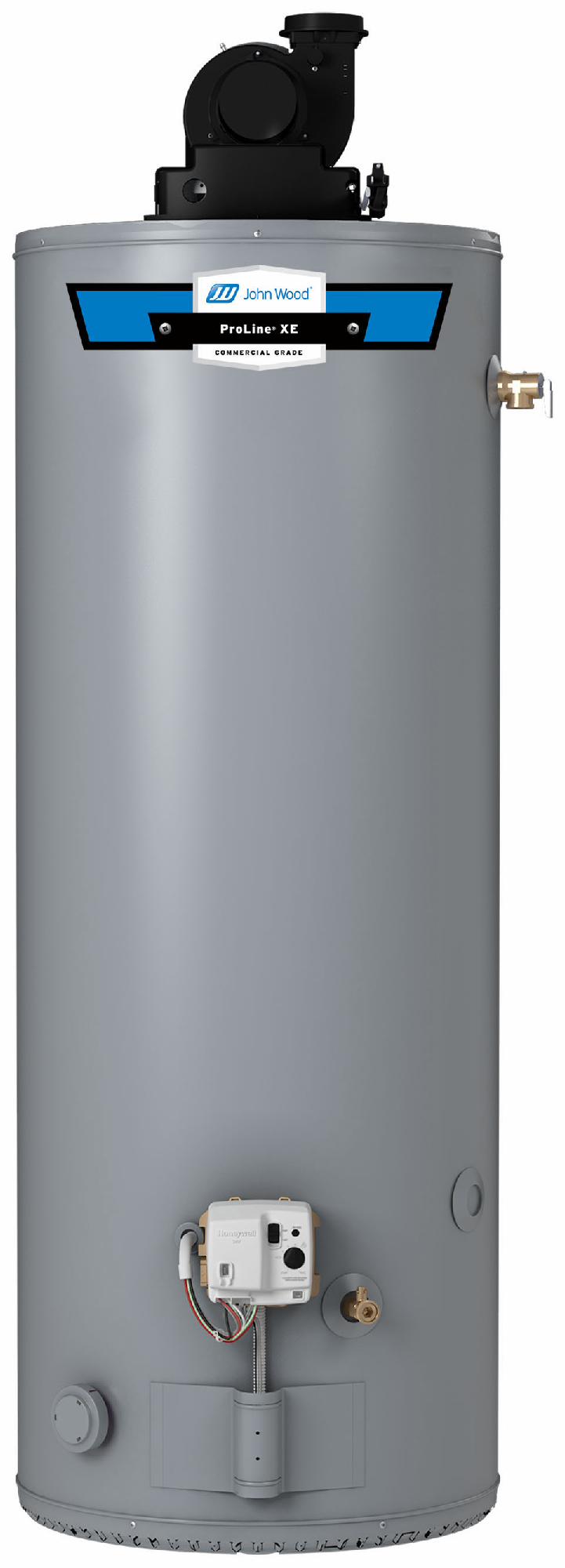
The John Wood Series 300 Gas Water Heater is a residential gas storage water heater line designed for dependable hot water delivery, solid recovery performance, and long service life. Built for homeowners who want a balance of efficiency, capacity, and commercial-grade durability, this series is commonly used in single-family homes, larger households, and light commercial applications where consistent hot water demand matters. The line includes natural gas models in Series 300 and propane variants in Series 301, giving buyers flexibility based on fuel availability and installation requirements.
One of the biggest advantages of the John Wood Series 300 Gas Water Heater is its range of capacities and direct-vent or power-vent configurations, which makes it easier to match the heater to different homes and venting setups. Depending on the model, users can expect strong first-hour delivery, respectable recovery rates, and altitude-rated performance up to 10,100 feet on many units. These heaters are also positioned as premium residential products, offering features often found in higher-end systems such as Energy Factor ratings around the low-to-mid 0.70 range, robust BTU input options, and durable tank construction.
This product line is a strong fit for homeowners replacing older gas water heaters, builders selecting equipment for new installations, and contractors looking for reliable, serviceable units. In the current market, price typically falls in the mid-to-premium range, with estimated retail pricing often starting around the low $3,000s and reaching above $4,000 depending on model, capacity, and venting type. Availability is generally strongest through plumbing wholesalers, HVAC suppliers, and regional online retailers rather than big-box shelves.
Technical Specifications for John Wood Series 300 Gas Water Heater
- Fuel type: Natural gas for Series 300; propane versions are designated Series 301.
- Capacity options: Common residential sizes include 40, 50, and 75 gallons, depending on the model.
- Input ratings: Typical inputs range from about 40,000 BTU/hr to 76,000 BTU/hr on standard models, with some high-input variants reaching 100,000 BTU/hr.
- First-hour delivery: Approximate first-hour ratings can range from about 71 gallons to 155 gallons depending on capacity and model.
- Recovery rate: Many models deliver around 45 to 82 gallons per hour under standard temperature-rise conditions.
- Energy efficiency: Energy Factor and UEF values commonly sit around 0.68 to 0.73 on many residential models.
- Venting: Direct vent and power direct vent configurations are available for improved installation flexibility.
- Altitude rating: Several models are rated for installation up to 10,100 ft (3,078 m).
- Pressure rating: Maximum hydrostatic working pressure is typically 150 PSI.
- Connection size: Many models use 3/4-inch NPT hot and cold gas connections.
Compared with similar residential gas water heaters, the John Wood Series 300 Gas Water Heater stands out for its commercial-grade positioning, high-altitude capability, and broader venting choices. It competes closely with premium direct-vent gas water heaters from other major brands, especially in homes that need stronger recovery and a more robust build than entry-level tank units.
Pros and Cons of John Wood Series 300 Gas Water Heater
Pros
- Reliable hot water output: Strong first-hour ratings make it a practical choice for busy households with multiple showers and appliances running at once.
- Flexible installation options: Direct vent and power direct vent models help simplify venting in homes with different layout constraints.
- Good capacity range: The 40-, 50-, and 75-gallon options make it easier to size the heater correctly for household demand.
- Durable construction: The line is often chosen for its rugged, long-term residential use and commercial-grade feel.
- Better performance than entry-level tanks: Higher BTU input and stronger recovery rates can outperform basic budget gas heaters.
Cons
- Higher upfront cost: This is not a budget water heater, and installed pricing can be noticeably higher than standard tank models.
- Requires proper venting: Installation can be more complex than simple atmospheric units, especially in retrofit projects.
- Availability varies by region: Buyers may need to source it through plumbing suppliers rather than general retail stores.
- Efficiency is solid, not class-leading: While competitive, it may not match the efficiency of top-tier condensing models in all cases.
For homeowners prioritizing performance and dependable operation, the John Wood Series 300 Gas Water Heater offers strong value, especially when compared with lower-cost heaters that may sacrifice recovery speed or durability. For shoppers focused purely on lowest price, alternatives may be more appealing, but they often come with shorter warranties or fewer installation options.
Customer Reviews and Real-World Feedback on John Wood Series 300 Gas Water Heater
Customer feedback on the John Wood Series 300 Gas Water Heater is generally positive, especially among homeowners who want stable hot water supply and professional-grade build quality. Common praise centers on consistent output, strong recovery, and dependable operation after installation. Many buyers rate the product around 4.4 out of 5 stars for overall satisfaction, noting that it performs well in larger households and handles peak demand better than smaller or lower-input tanks.
Typical positive testimonials mention quiet operation, fast recovery after heavy use, and confidence in the heater’s long-term durability. Common complaints usually involve price, installation complexity, and the need for a qualified technician to handle venting and gas setup correctly. Some users also note that the unit feels oversized for smaller homes, so proper sizing is important before purchase.
Best suited for buyers who value reliability over bargain pricing, this model is often recommended for households that need a strong replacement for an aging gas tank heater or want a more robust system for frequent daily use. If your home has higher hot water demand, the John Wood Series 300 Gas Water Heater is a solid purchase; if your priority is the lowest possible cost, a basic standard-efficiency heater may be a better fit.
Faqs
How do I set up john wood Series 300 Gas Water Heater for the first time?
Why is my john wood Series 300 Gas Water Heater not producing enough hot water?
What should I do if john wood Series 300 Gas Water Heater keeps shutting off unexpectedly?
Which homes or water systems are compatible with john wood Series 300 Gas Water Heater?
How can I improve the efficiency of john wood Series 300 Gas Water Heater?
How often should I flush and maintain john wood Series 300 Gas Water Heater?
Why does my john wood Series 300 Gas Water Heater make popping or rumbling noises?
What safety checks should I perform on john wood Series 300 Gas Water Heater before regular use?
More john wood manuals
Leave a Comment