
Kogan Electric Food Dehydrator User Manual
Content
Kogan Electric Food Dehydrator: Complete Product Manual
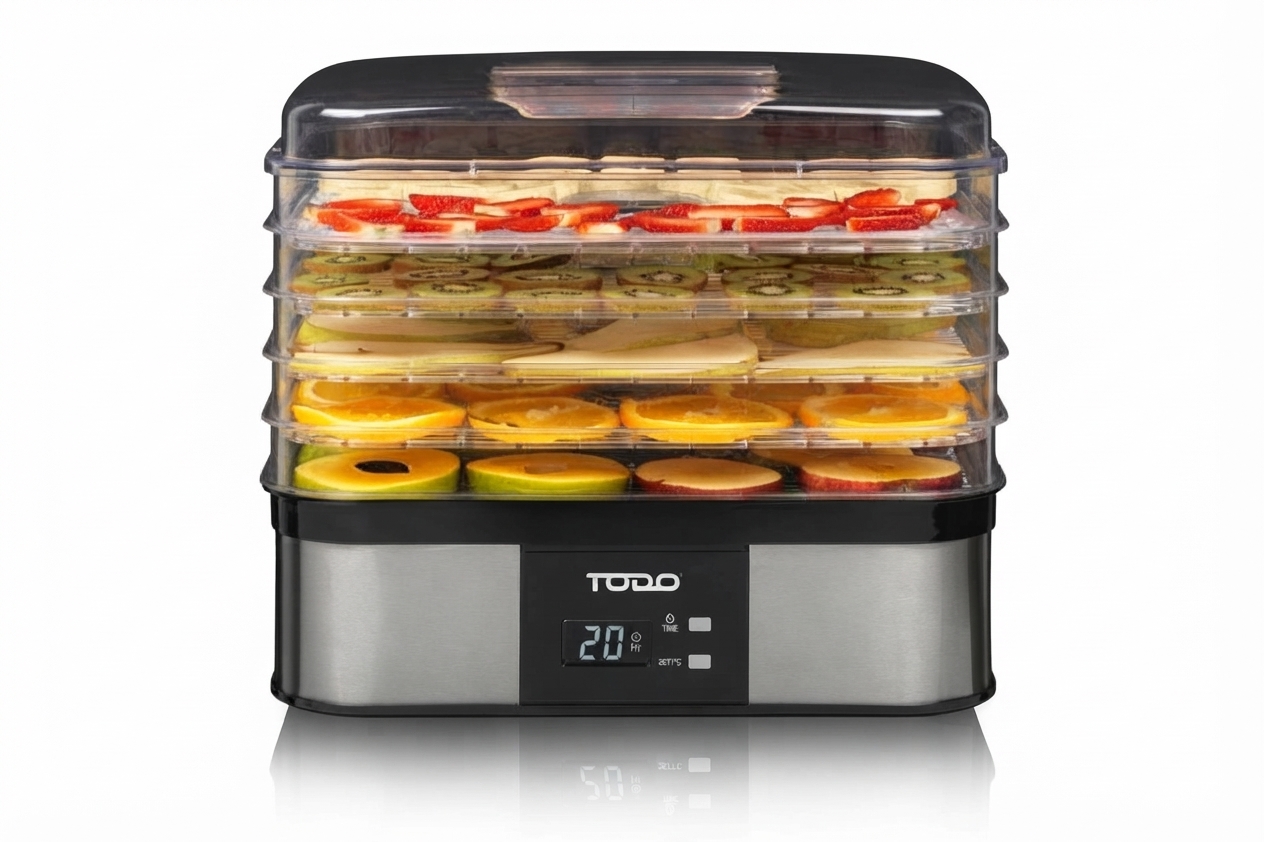
The Kogan Electric Food Dehydrator is a practical kitchen appliance designed for drying fruit, vegetables, herbs, jerky, and snack ingredients at home. It appeals to health-conscious households, meal preppers, gardeners with surplus produce, and small-batch food creators who want a simple way to extend shelf life without additives. The product is especially useful for making fruit leather, dried apple chips, kale chips, herb blends, and homemade beef jerky with consistent results. Depending on the model, Kogan dehydrators are typically priced from about AUD $70 to $200, with larger multi-tray versions sitting at the higher end of the range and commonly available through Kogan’s online store and marketplace listings.
One of the main strengths of the Kogan Electric Food Dehydrator is its focus on straightforward, everyday use. Many versions include adjustable temperature controls, transparent trays for easy monitoring, and a timer for unattended drying sessions. The design is aimed at users who want a budget-friendly dehydrator that still offers enough capacity for family batches. Compared with many entry-level benchtop dehydrators, Kogan models often provide strong value for money by combining multiple trays, a compact footprint, and temperature flexibility in one unit. For buyers looking for a reliable home food dryer rather than a premium stainless-steel commercial machine, this product line is a sensible choice. It is best suited to beginners, occasional users, and anyone wanting an affordable, easy-to-store dehydrator for regular kitchen use.
Specifications and Features of the Kogan Electric Food Dehydrator
- Power: Commonly around 245W to 550W depending on the model, with higher wattage units generally drying food faster and handling larger batches more effectively.
- Temperature range: Typically adjustable from 40°C to 70°C, which supports herbs, fruit, vegetables, and jerky-style drying.
- Timer: Some models offer a built-in timer ranging from 1 to 36 hours, while other variants may extend up to 48 hours.
- Tray count: Usually 5, 6, or 10 trays, allowing users to scale from small snack batches to larger family quantities.
- Material: Food-grade plastic trays are common, often with transparent layers for progress checks without stopping the machine.
- Controls: Digital touch controls or simple button-based interfaces, depending on the version.
- Safety features: Overheat protection is included on many units for safer long-duration drying cycles.
- Typical performance: Fruit slices usually dry evenly when cut to consistent thickness; herbs and leafy greens dry best at lower temperatures, while jerky requires longer cycles and careful temperature control.
- Comparable products: Against similar budget dehydrators, Kogan models usually offer better tray capacity than the cheapest compact units, but premium brands may provide sturdier construction, quieter operation, and more precise airflow management.
For buyers comparing food dehydrators for home use, the Kogan Electric Food Dehydrator stands out as a value-focused option with practical features rather than luxury materials.
Troubleshooting Common Problems with the Kogan Electric Food Dehydrator
- Unit will not power on: Check the wall outlet, power cord, and plug connection. Confirm that the timer is set and the unit is switched on properly.
- Food is drying unevenly: Rotate trays during the drying cycle, cut food into uniform thickness, and avoid overcrowding the trays.
- Unit overheats or shuts off: Clear ventilation gaps, reduce the load, and place the dehydrator on a flat, heat-resistant surface with airflow around it.
- Food takes too long to dry: Use thinner slices, increase temperature within the recommended range, and avoid placing wet or marinated foods directly on the tray surface.
- Error codes: Many Kogan dehydrators do not display advanced error codes; if the display is blank, flashing, or unresponsive, perform a reset by unplugging the unit for a few minutes and checking the settings again.
- Prevention tips: Clean trays after every use, do not block vents, avoid using metal tools on plastic trays, and follow the recommended temperature guide for each food type.
- Support and warranty: Warranty coverage and product support are usually handled through Kogan’s Help Centre and standard warranty terms for the specific model.
- Help contact: Use the official Kogan customer support and Help Centre channels listed on the product page or order account for warranty claims, replacement requests, and spare-parts guidance.
Pros and Cons of the Kogan Electric Food Dehydrator
Pros
- Affordable entry into home food dehydration, making it attractive for first-time buyers.
- Multiple tray options suit different batch sizes, from herbs to larger fruit loads.
- Adjustable temperature settings improve control over drying results.
- Transparent tray design makes it easy to monitor progress without opening the unit.
- Good value for money compared with many similarly priced dehydrators.
Cons
- Plastic tray construction may feel less durable than stainless-steel alternatives.
- Drying can be less consistent than higher-end models with stronger airflow systems.
- Noise levels and finish quality may vary by model.
- Budget-friendly units may require tray rotation for best results.
- Premium competitors often offer more refined controls and longer-lasting materials.
Overall, the Kogan Electric Food Dehydrator is a solid choice for users who want practical performance without paying premium-brand prices. It is especially appealing for home cooks who prioritize functionality, capacity, and affordability over heavy-duty construction.
Customer Reviews and User Feedback on the Kogan Electric Food Dehydrator
Customer feedback for Kogan dehydrators is generally positive, with many users rating them around 4 out of 5 stars for value, ease of use, and batch capacity. Buyers commonly praise the simple controls, efficient drying of fruit and herbs, and the ability to make healthy snacks at home without additives. One frequent comment is that the trays offer plenty of usable space for everyday dehydration projects.
Common complaints include uneven drying on overloaded trays, moderate noise during operation, and the lightweight feel of some plastic components. Users who follow recommended slice thickness and rotate trays tend to report better results. The product is often recommended for beginners, budget-conscious households, and anyone wanting a reliable food dryer for regular home use.
Final Verdict: Is the Kogan Electric Food Dehydrator Worth Buying?
For shoppers seeking an affordable, easy-to-use food dehydrator, the Kogan Electric Food Dehydrator delivers strong everyday value. It is well suited to fruit drying, jerky preparation, herb preservation, and healthy snack making, especially when purchased in a larger tray configuration. If the goal is dependable home dehydration at a reasonable price, Kogan’s range is worth considering.
Faqs
How do I set up the Kogan Electric Food Dehydrator for the first time?
Why is my Kogan Electric Food Dehydrator drying food unevenly?
What temperature should I use on the Kogan Electric Food Dehydrator for fruit, jerky, and herbs?
Can the Kogan Electric Food Dehydrator handle wet marinated foods without making a mess?
What should I do if the Kogan Electric Food Dehydrator is not turning on?
How do I stop the Kogan Electric Food Dehydrator from making food too brittle or too dry?
What foods are best suited for the Kogan Electric Food Dehydrator?
How should I clean and maintain the Kogan Electric Food Dehydrator after regular use?
More kogan manuals
Leave a Comment