
Marley Crossflow Series Cooling Tower User Manual
Content
Marley Crossflow Series Cooling Tower: Complete Product Manual and Buyer Guide
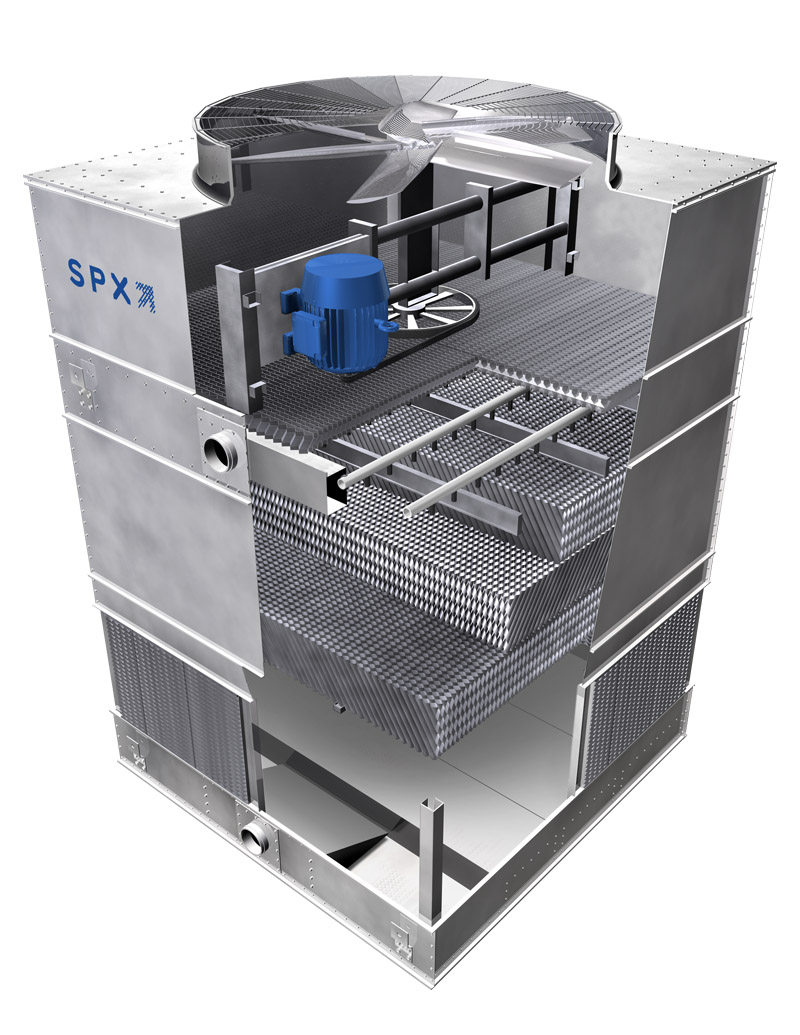
Introduction
The Marley Crossflow Series Cooling Tower is a high-performance industrial cooling solution designed for reliable heat rejection in demanding commercial and process applications. Built around a crossflow configuration, it delivers efficient thermal performance while making inspection, cleaning, and routine maintenance easier than many counterflow alternatives. Its open-access design, gravity-flow water distribution, and durable steel construction make it a strong choice for facilities that prioritize serviceability, uptime, and long-term operating value.
This cooling tower is commonly used in HVAC plants, manufacturing facilities, data centers, hospitals, universities, and power-intensive process systems where stable water temperature control is essential. The Marley Crossflow Series Cooling Tower is especially appealing to plant managers and mechanical engineers who need a tower that balances energy efficiency, structural durability, and maintainability. Key benefits typically include quieter operation options, modular sizing, corrosion-resistant material choices, and strong thermal capacity across a broad range of loads.
Estimated pricing can vary widely based on tonnage, materials, accessories, and whether the system is factory assembled or field erected. In most projects, buyers should expect a range from mid-five figures for smaller configurations to six figures or more for larger multi-cell installations. Availability is generally through authorized HVAC and cooling tower distributors, industrial equipment suppliers, and engineered project channels, with lead times depending on customization and regional inventory.
Specifications for Marley Crossflow Series Cooling Tower
Key technical specifications and performance features
- Cooling configuration: Induced-draft crossflow design for easier access and maintenance.
- Water distribution: Gravity-flow distribution system for reliable, low-complexity operation.
- Thermal capacity: Available in a wide capacity range depending on model and cell count.
- Flow rate: Sized for medium to large industrial and commercial water loops.
- Construction: Heavy galvanized steel is standard on many configurations, with stainless steel options available for more corrosive environments.
- Fan system: Aluminum alloy fan with adjustable pitch blades on many models.
- Fill media: High-efficiency film fill options designed to improve heat transfer performance.
- Compliance: Commonly specified to meet thermal, sound, and energy-efficiency requirements in modern HVAC projects.
- Maintenance access: Crossflow layout improves visibility, inspection, and cleaning access compared with compact counterflow designs.
Compared with similar industrial cooling towers, the Marley Crossflow Series Cooling Tower is often preferred when service access and basin cleaning matter as much as thermal performance. It competes strongly with other crossflow towers in the same class, especially in retrofit projects where footprint, access, and long-term operating cost are important decision factors.
Troubleshooting Common Marley Crossflow Series Cooling Tower Problems
Common issues and practical fixes
- Reduced cooling performance: Check fan rotation, airflow restrictions, scaling on fill, and water distribution nozzles. Clean the fill and inspect the pump for correct flow.
- Excessive vibration or noise: Inspect fan blades, shaft alignment, motor mounts, and drive components. Rebalance or replace worn parts as needed.
- Uneven water distribution: Clear clogged nozzles, verify header alignment, and confirm the supply pressure is within design range.
- Visible scaling or fouling: Use water treatment controls, schedule routine basin cleaning, and address hardness or biological growth early.
- Motor overheating: Check electrical load, belt tension, bearing condition, and ventilation around the motor assembly.
Most Marley crossflow towers do not rely on consumer-style error codes, so diagnostics are usually based on mechanical inspection, temperature readings, and control-system alarms from the building automation or motor protection equipment. Preventive measures include quarterly inspections, routine belt and bearing checks, water treatment monitoring, and seasonal cleaning. Warranty coverage and support options typically depend on the exact model, region, and distributor agreement. For help, contact the original installer, the local Marley distributor, or SPX Cooling Technologies customer support through the official company support channels provided with the equipment documentation.
Pros and Cons of the Marley Crossflow Series Cooling Tower
Balanced buyer assessment
Pros
- Easy access for maintenance, inspection, and cleaning because of the crossflow layout.
- Strong thermal performance for commercial and industrial cooling loops.
- Durable construction options, including galvanized steel and stainless steel configurations.
- Good fit for retrofit projects where service access is a priority.
- Gravity-flow distribution simplifies operation and reduces complexity in many installations.
Cons
- Larger footprint than some counterflow towers in equivalent capacity classes.
- Initial cost can be high for custom-engineered or stainless steel builds.
- Performance depends heavily on water treatment and regular maintenance.
- Some projects may require additional accessories for noise, freezing, or corrosion control.
In terms of value for money, the Marley Crossflow Series Cooling Tower is strongest when long service life and low-maintenance access are more important than the smallest possible footprint. Compared with compact alternatives, it often offers better maintainability and service visibility, which can lower lifecycle operating costs.
Customer Reviews and Real-World Feedback
What users typically praise and complain about
Average user sentiment for the Marley Crossflow Series Cooling Tower is typically strong, with many facility teams giving it around 4.5 out of 5 stars for reliability and serviceability. Technicians often praise the open access design, stating that inspections are faster and routine cleaning is less disruptive than on tighter tower layouts. Plant operators also value the stable thermal performance during peak loads.
Common complaints usually focus on initial price, project lead time, and the need for disciplined water treatment to avoid fill fouling or scaling. A typical testimonial is: “The tower has been dependable and easy to maintain, but staying ahead of water treatment is essential.” Another common comment is: “Great access for service, especially during seasonal shutdowns.” For buyers comparing options, the Marley Crossflow Series Cooling Tower is often recommended for facilities that want a dependable industrial cooling tower with strong long-term maintainability.
Faqs
How do I set up the marley Crossflow Series Cooling Tower for the first time?
What should I check if the marley Crossflow Series Cooling Tower is not cooling water efficiently?
What makes the marley Crossflow Series Cooling Tower different from other cooling tower designs?
Which water quality requirements are most important for the marley Crossflow Series Cooling Tower?
How often should the marley Crossflow Series Cooling Tower be cleaned and maintained?
Why is the marley Crossflow Series Cooling Tower making unusual vibration or noise?
Can the marley Crossflow Series Cooling Tower be integrated with existing HVAC or process cooling systems?
What are the best ways to optimize performance and reduce operating costs on the marley Crossflow Series Cooling Tower?
More marley manuals
Leave a Comment