
Max HN120 High Pressure Concrete Tool User Manual
Content
max HN120 High-Pressure Concrete Tool Review and Manual
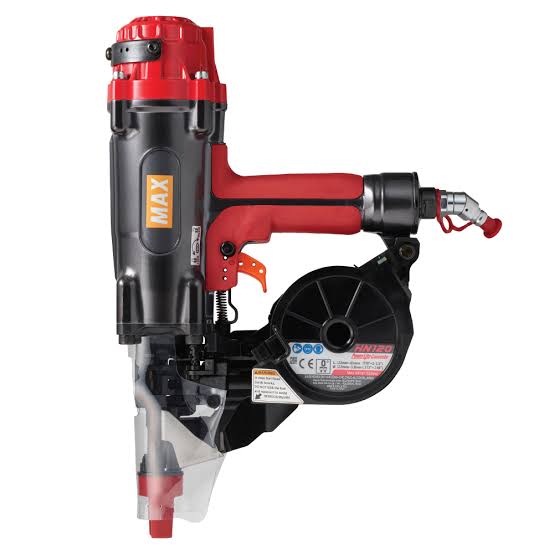
The max HN120 High Pressure Concrete Tool is a professional-grade pneumatic pinner designed for fastening wood, steel track, plywood, drywall track, and concrete furring to concrete or steel. Built for demanding construction environments, it delivers strong driving power without powder loads, making it a faster and cleaner alternative to powder-actuated fastening systems. The tool is powered by a high-pressure air setup and is known for its lightweight body, balanced handling, and ability to drive fasteners into hard substrates with minimal recoil.
One of the biggest advantages of the max HN120 High Pressure Concrete Tool is its versatility. It is used by concrete contractors, steel framers, drywall installers, and general builders who need reliable fastening performance on mixed-material jobsites. The tool supports a magazine capacity of 50 fasteners and is compatible with pins up to 2-1/2 inches, depending on the fastener type. Its compact design and relatively low weight help reduce user fatigue during repetitive overhead or vertical fastening tasks.
For buyers researching the max HN120 High Pressure Concrete Tool, the estimated market price typically falls in the mid-to-high professional tool range, often around a few hundred dollars for the tool alone, while the full setup may cost more when including the required high-pressure compressor and accessories. Availability is generally strong through construction tool dealers, industrial supply stores, and online retailers. This makes the HN120 a practical choice for professionals who want a durable, license-free fastening solution with strong jobsite efficiency.
Pros and Cons of the max HN120 High Pressure Concrete Tool
Pros
- High fastening power for concrete and steel applications, making it useful for heavy-duty construction work.
- No powder loads or licensing required, which simplifies operation compared with powder-actuated tools.
- Lightweight for its class, helping reduce arm strain during repeated fastening tasks.
- Fast reload workflow with a 50-pin magazine, improving productivity on larger jobs.
- Versatile enough for wood-to-concrete, wood-to-steel, and drywall track installation.
Cons
- Requires a high-pressure air compressor, so the total system cost is higher than the tool price alone.
- Not ideal for casual DIY users who only need occasional fastening into concrete.
- Depth adjustment and jam-clearing convenience are more limited than on some newer competing nailers.
- Best value is in professional or high-volume use, not light-duty home projects.
Compared with powder-actuated alternatives, the max HN120 High Pressure Concrete Tool offers cleaner operation and easier day-to-day use, but the compressed-air setup may be less convenient for users who need maximum portability.
Customer Reviews for max HN120 High Pressure Concrete Tool
Users commonly rate the max HN120 High Pressure Concrete Tool around 4.5 out of 5 stars for power, speed, and jobsite reliability. Professionals often praise its ability to drive fasteners into concrete and steel with minimal recoil, while also appreciating that it does not require powder cartridges. One contractor comment frequently echoed in reviews is that it “saves time on repeated fastening jobs and feels lighter than expected for a concrete pinner.”
Common complaints include the need for a dedicated high-pressure compressor and the higher upfront system cost. Some buyers also mention that the tool is less beginner-friendly than standard nailers because it is designed for specialized fastening work. Still, most reviews recommend it for contractors, installers, and tradespeople who regularly fasten to concrete or steel. For occasional users, a rental or lower-cost alternative may be a better fit.
Frequently Asked Questions About the max HN120 High Pressure Concrete Tool
What is the max HN120 High Pressure Concrete Tool used for?
It is used for fastening wood, steel track, drywall track, plywood, and furring strips to concrete or steel surfaces.
Does it require powder loads?
No, it operates with high-pressure air, which makes it faster and cleaner than powder-actuated fastening systems.
Is it suitable for DIY use?
It is best suited for professionals or advanced users who frequently work with concrete and steel fastening applications.
What makes it a good purchase?
Its strong driving power, lightweight design, and professional-grade reliability make it a solid value for construction crews that need consistent performance.
Faqs
How do I set up the max HN120 High Pressure Concrete Tool for first-time use?
What should I check if the max HN120 High Pressure Concrete Tool is losing pressure during operation?
Which concrete materials work best with the max HN120 High Pressure Concrete Tool?
How can I improve output consistency with the max HN120 High Pressure Concrete Tool?
What are the most common problems with the max HN120 High Pressure Concrete Tool and how do I fix them?
How do I clean and maintain the max HN120 High Pressure Concrete Tool after use?
Is the max HN120 High Pressure Concrete Tool compatible with standard concrete hoses and accessories?
How can I optimize the performance of the max HN120 High Pressure Concrete Tool for heavy-duty jobs?
Tags
More max manuals
- Max TwinTier RB441T & RB611T Rebar Tying Tool User Manual
- Max TwinTier Battery-Powered Rebar Tying Tool User Manual
- Max Electronic Stapler EH-20F User Manual
- Max PowerLite NF255SF2-18 Pneumatic Brad Nailer User Manual
- Max LETATWIN Electronic Lettering Machine User Manual
- Max PowerLite High Pressure Compressor AKHL1320E User Manual
Leave a Comment