
Installation: Mcs Heat Pump MIS 3005-I User Manual
Content
mcs Heat Pump MIS 3005-I: Installation Standard Overview
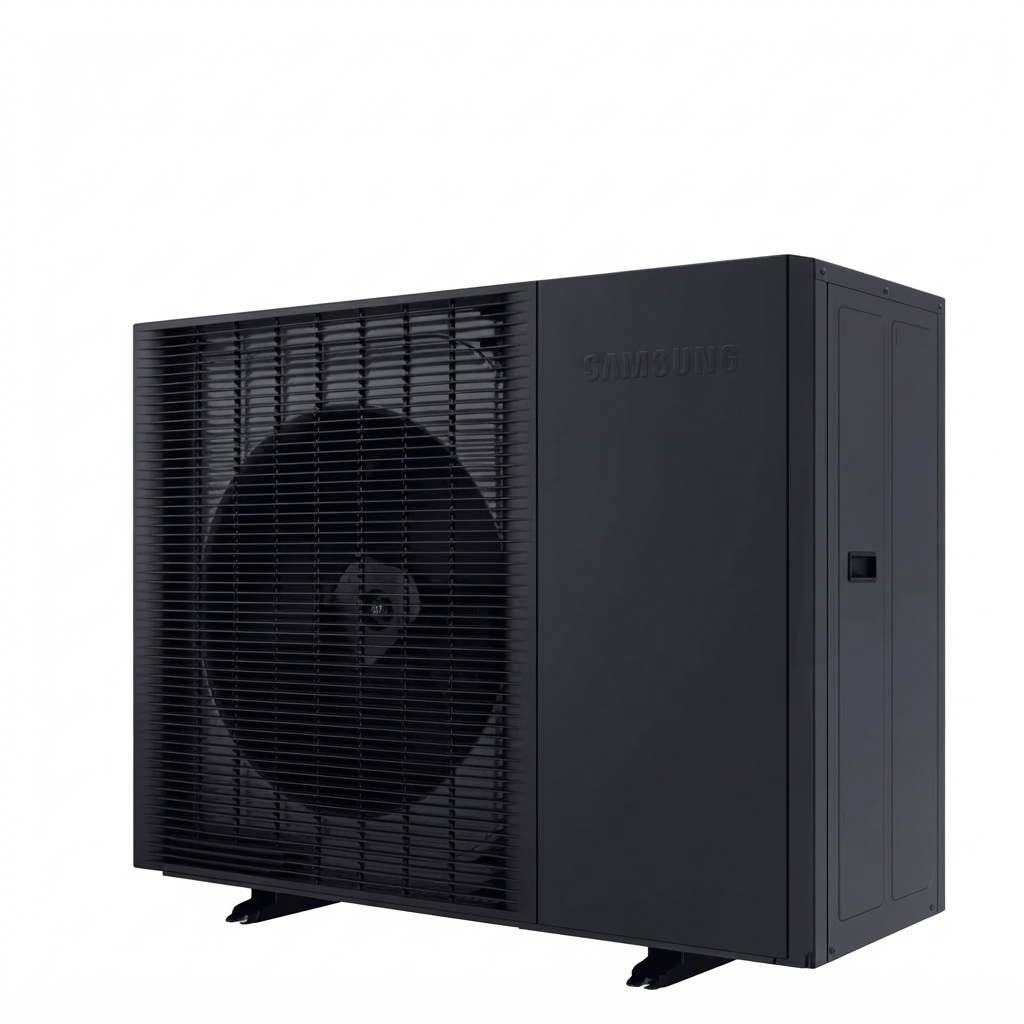
The mcs Heat Pump MIS 3005-I is not a physical heat pump model; it is the Microgeneration Installation Standard for heat pump systems in the UK. It sets out how heat pumps must be installed, commissioned, tested, and handed over in compliant domestic and light commercial projects. For homeowners, this standard matters because it supports safe installation, reliable performance, and eligibility for MCS-related schemes and documentation. For installers and contractors, it provides a clear framework for best practice across system setup, refrigerant handling, electrical integration, and customer handover.
One of the key strengths of mcs Heat Pump MIS 3005-I is that it focuses on real-world installation quality. That includes making sure the system matches the approved design, the pipework and controls are correctly fitted, the commissioning data is recorded, and the customer receives proper operating guidance. The standard is especially relevant for air source heat pumps, ground source heat pumps, and split systems that require F-gas competent handling. It also supports consistent outcomes across installations that are intended to heat permanent buildings with space heating and/or domestic hot water.
In terms of cost, the standard itself is not sold as a product, but installations that follow it typically sit within the broader UK heat pump market, where prices vary by system size, property type, and complexity. A compliant heat pump installation can range from around £7,000 to £15,000 or more, depending on the equipment and site requirements. Availability is nationwide through MCS-certified contractors and installers working to current heat pump standards.
Technical Specifications and Key Requirements
- Standard type: Microgeneration Installation Standard for heat pump installation, setting to work, commissioning, and handover.
- Scope: Applies to heat pump systems supplying permanent buildings with space heating and/or domestic hot water.
- Installation focus: Covers physical installation, refrigerant work on split systems, system filling, pressure testing, electrical checks, and commissioning.
- Compliance requirements: Installation must match the approved design, manufacturer instructions, and relevant building regulations.
- Commissioning checks: Includes flow and return temperatures, system flow rate, weather compensation settings, controls setup, and handover documentation.
- Safety requirements: Requires appropriate competence for refrigerant handling, electrical work, isolation, earthing, and leak testing.
- Documentation: Customer handover, maintenance guidance, and installation records are part of the standard.
- Performance benchmark: A properly installed system should deliver stable heating, efficient operation, and predictable seasonal performance when matched to the design.
Compared with a standalone heat pump manual, mcs Heat Pump MIS 3005-I is broader and more compliance-focused. It is closer to an installation quality framework than a consumer-facing appliance guide. In practice, it works alongside the design standard to help ensure that the installed system performs as intended.
Troubleshooting Common Heat Pump Installation Issues
Most issues addressed under mcs Heat Pump MIS 3005-I are installation and commissioning problems rather than product faults. Common problems include poor heating performance, incorrect controls setup, low system pressure, noisy operation, and inadequate commissioning records. If the heat pump is underperforming, the first step is usually to confirm that the system matches the design, the emitters are correctly sized, and the flow temperatures are suitable for the property.
- Problem: Heat pump not heating properly. Fix: Check flow rate, thermostat settings, circulation pump operation, and weather compensation settings.
- Problem: Noisy unit or pipework. Fix: Inspect mounting, vibration isolation, pipe clips, and outdoor unit location.
- Problem: Low pressure or air in the system. Fix: Refill, bleed radiators or manifolds, and inspect for leaks.
- Problem: Incorrect commissioning data. Fix: Recheck measured temperatures, electrical connections, and recorded settings before sign-off.
- Problem: Refrigerant-side fault on split systems. Fix: Verify that F-gas qualified personnel carried out the work and test for leaks.
Typical heat pump error codes vary by manufacturer, so the exact code must be checked in the appliance manual. Preventive measures include using certified installers, following manufacturer instructions, protecting pipework, and carrying out full commissioning tests. Warranty and support are usually provided by the heat pump manufacturer and the installing contractor. For help, customers should contact the original installer first, then the manufacturer support line listed in the equipment documentation.
Pros and Cons of mcs Heat Pump MIS 3005-I
Pros
- Improves installation quality by setting clear requirements for setup, testing, and handover.
- Supports safer and more reliable heat pump performance in real homes and buildings.
- Helps installers deliver consistent commissioning records and customer documentation.
- Works well for air source, ground source, and split heat pump systems.
- Strong value for money for projects that need compliance, certification, and long-term reliability.
Cons
- Not a consumer product, so it may be confusing for buyers searching for a specific heat pump model.
- Requires skilled installers and more detailed documentation than a basic boiler replacement.
- Can increase installation time on complex properties with challenging pipe runs or electrical upgrades.
- Performance depends on both the standard and the quality of the chosen equipment.
Compared with non-certified or loosely managed installations, mcs Heat Pump MIS 3005-I offers better assurance of quality and compliance. For homeowners, that usually means fewer avoidable problems and a more dependable heating system.
Customer Reviews and User Feedback
Customer feedback on installations carried out to mcs Heat Pump MIS 3005-I is generally strongest when the installer explains the system clearly and completes thorough commissioning. Many homeowners praise the quiet operation, improved efficiency, and professional handover process. Typical ratings for well-executed installations are often around 4 to 5 stars.
Common complaints include confusing controls, underheating when the system was not designed correctly, and delays caused by poor site preparation. A typical positive testimonial might say, “The system was explained clearly, the house heats evenly, and the installer left full documentation.” A common negative comment is, “The heat pump works, but the setup took longer than expected because the controls were not tuned properly.”
For best results, buyers should choose an experienced MCS-certified installer, ask for a full commissioning checklist, and confirm that handover training is included. That approach usually leads to stronger satisfaction and fewer post-installation issues.
Faqs
How do I set up mcs Heat Pump MIS 3005-I for the first time?
What should I do if mcs Heat Pump MIS 3005-I is not heating properly?
Which features of mcs Heat Pump MIS 3005-I matter most during commissioning?
Is mcs Heat Pump MIS 3005-I compatible with existing radiators and hot water cylinders?
How can I improve the performance of mcs Heat Pump MIS 3005-I in cold weather?
Why does mcs Heat Pump MIS 3005-I keep cycling on and off?
What maintenance does mcs Heat Pump MIS 3005-I need each year?
What documents should I receive after mcs Heat Pump MIS 3005-I installation?
Leave a Comment