
Mestek Kickspace Heater User Manual
Content
mestek Kickspace Heater: Compact Hydronic Heating for Kitchens and Tight Spaces
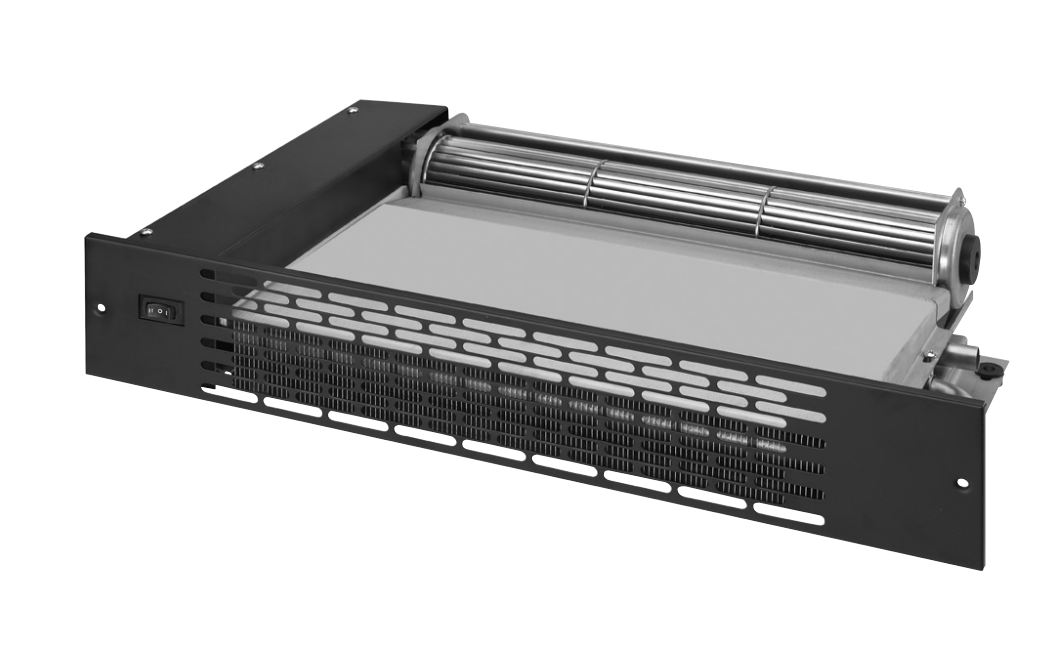
The Mestek Kickspace Heater is a space-saving hydronic heater designed to fit neatly under cabinets, vanities, and other low-clearance areas where traditional radiators or baseboards will not work. It uses hot water from a forced hot water heating system and a crossflow blower to deliver efficient, targeted warmth right where people feel the chill most. This makes it a practical choice for kitchens, bathrooms, laundry rooms, mudrooms, and remodel projects where floor space is limited.
One of the biggest advantages of the Mestek Kickspace Heater is its discreet installation. The unit stays out of sight while providing dependable supplemental heat, making it ideal for homeowners who want comfort without sacrificing design. It is also valued for its quick response time, quiet operation, and compatibility with common residential hydronic systems. The blower is designed to operate only when hot water is circulating, which improves efficiency and helps prevent unnecessary fan operation.
Typical buyers include homeowners, contractors, and remodelers looking for a kickspace heater for kitchens or a compact under-cabinet heating solution. Availability is generally through HVAC distributors, plumbing supply retailers, and online industrial supply stores. Depending on model and seller, the estimated price range usually falls around $200 to $500, with higher-capacity or specialty versions costing more. For anyone comparing compact hydronic heaters, the Mestek Kickspace Heater remains a strong option for efficient supplemental heating in small spaces.
Technical Specifications for Mestek Kickspace Heater Models
The Mestek Kickspace Heater line is built around a copper-tube, aluminum-finned heating element paired with a 115-120V electric blower motor. It is intended for forced hot water residential heating systems and typically uses a reverse-acting aquastat to delay fan operation until the water is hot enough for useful heat output.
- Heating type: Hydronic kickspace heater for forced hot water systems
- Heating element: Copper tube with aluminum fins
- Motor voltage: 115-120V AC, 60 Hz
- Blower design: Crossflow fan for compact, even airflow
- Water connections: 1/2-inch nominal copper pipe connections
- Control feature: Reverse-acting aquastat, commonly set around 120°F to prevent cold-air blow
- Airflow on smaller models: About 53 CFM high speed
- Airflow on larger models: Up to about 103 CFM or more depending on model
- Motor power: Approximately 30.7 watts on standard compact models
- Speed: Around 3,200 RPM on common versions
Compared with electric toe-kick heaters, the Mestek hydronic design typically delivers lower operating cost when connected to an efficient boiler. Compared with larger wall-mounted fan coils, it is much more compact and easier to conceal under cabinetry.
Troubleshooting Mestek Kickspace Heater Problems
Most issues with a Mestek Kickspace Heater are related to water flow, thermostat settings, or blower operation rather than complex electronics. If the unit does not produce heat, first confirm that the boiler is running and that hot water is reaching the heater. If the fan runs but the air feels cool, the aquastat may be waiting for the water temperature to rise, or there may be trapped air in the hydronic line.
- No heat: Check boiler temperature, zone valve operation, and water circulation.
- Fan does not start: Verify power supply, thermostat setting, and aquastat function.
- Weak airflow: Clean dust from the grille and inspect the blower wheel for obstructions.
- Rattling noise: Tighten mounting hardware and check for cabinet contact.
- Short cycling: Inspect aquastat placement and confirm proper water temperature.
- Error codes: Most models do not use digital error codes; faults are usually diagnosed by symptoms and control checks.
Preventive maintenance includes vacuuming the grille, keeping supply and return openings clear, and bleeding air from the hydronic loop when needed. Warranty coverage and support vary by seller and model, so owners should keep their purchase documentation and serial information ready. For help, contact the original retailer, the installing HVAC contractor, or Mestek customer support through the company’s official service channels.
Pros and Cons of the Mestek Kickspace Heater
Pros
- Space-saving design fits under cabinets and in other tight areas
- Works well as supplemental heat in kitchens, bathrooms, and remodels
- Hydronic operation can be efficient in homes already using hot water heat
- Quiet enough for everyday residential use when properly installed
- Good value for homeowners who want hidden, localized heating
Cons
- Requires an existing hot water heating system, so it is not a standalone solution
- Output depends on boiler temperature and water flow
- Installation is more involved than plugging in a portable heater
- Not ideal for heating large rooms on its own
- Performance can vary if cabinet space is too restricted or poorly ventilated
For value for money, the Mestek Kickspace Heater is strongest when used as a hidden supplemental heater in a compatible hydronic system. Compared with portable electric heaters, it is more permanent and integrated. Compared with larger fan coils, it is far better for compact spaces but less powerful for open-plan areas.
Customer Reviews of Mestek Kickspace Heater Models
Customer feedback on the Mestek Kickspace Heater is generally positive, especially from homeowners remodeling kitchens and bathrooms. Many users praise the discreet installation, fast warm-up once hot water reaches the unit, and the fact that it keeps floor space open. A common rating pattern is around 4 out of 5 stars for comfort and convenience.
Typical praise includes comments such as, “It disappears under the cabinet and makes the kitchen much warmer in winter.” Common complaints usually involve the need for a proper hydronic setup, occasional fan noise in tight enclosures, or lower-than-expected output when boiler temperature is too low. Buyers who already have hot water heat tend to recommend it most strongly, while those looking for a plug-in heater often find it too specialized.
For best results, the Mestek Kickspace Heater is recommended for homeowners who want a reliable under-cabinet heating solution and are comfortable working with a professional installer.
Faqs
How do I set up a mestek Kickspace Heater for the first time under a kitchen or vanity cabinet?
What should I check if my mestek Kickspace Heater is running but not producing enough heat?
Why does my mestek Kickspace Heater turn on and off frequently, and how can I fix it?
Can a mestek Kickspace Heater be installed in a bathroom or damp area safely?
What features should I look for in a mestek Kickspace Heater to improve comfort and energy efficiency?
How do I clean and maintain a mestek Kickspace Heater to keep it working efficiently?
What size space can a mestek Kickspace Heater usually handle effectively?
Why is my mestek Kickspace Heater making unusual noise, and what can I do about it?
More mestek manuals
Leave a Comment