
Setup Guide: Miele Heat-Pump Tumble Dryer User Manual
Content
Miele Heat-Pump Tumble Dryer Manual: Efficient Drying for Modern Homes
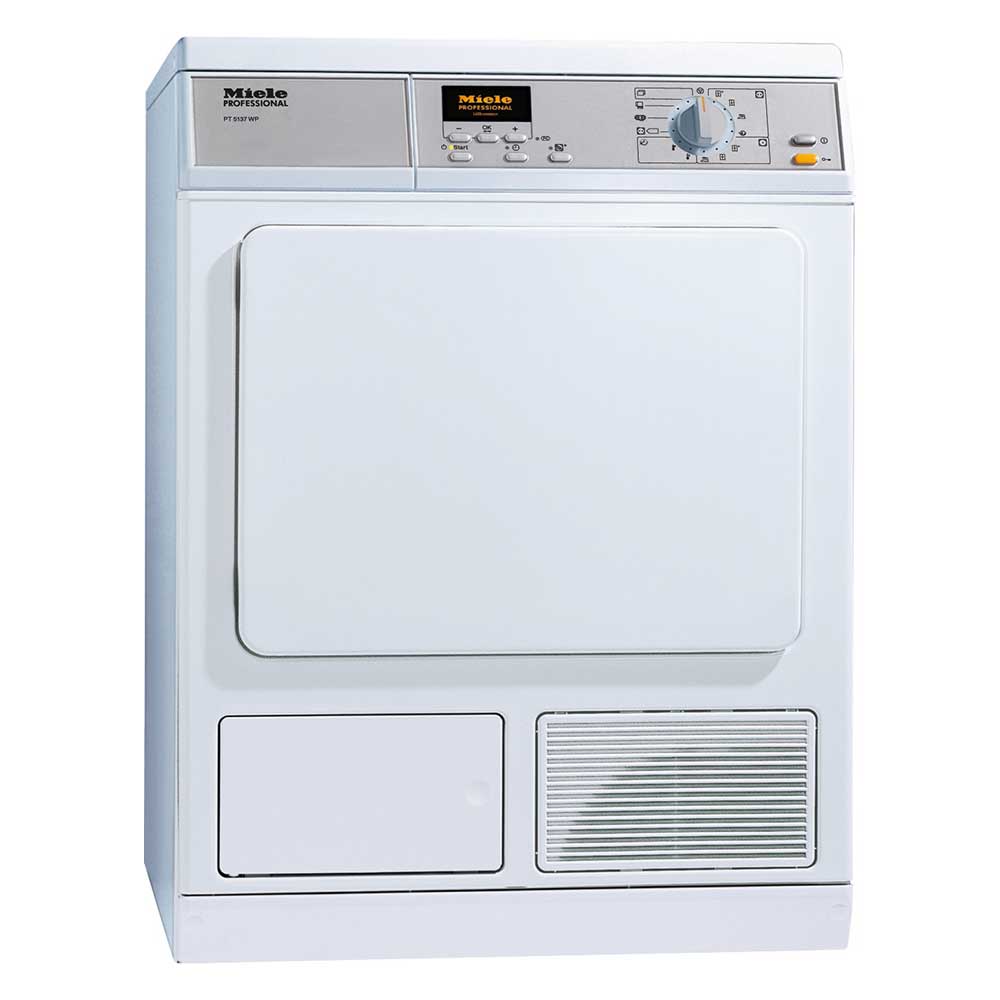
The Miele Heat-Pump Tumble Dryer is designed for households that want premium fabric care, lower running costs, and convenient drying without needing an external vent. It uses heat-pump technology to recirculate warm air, which helps reduce energy consumption while drying clothes gently at lower temperatures. This makes it a strong choice for families, apartment living, and anyone who regularly dries delicate fabrics, bedding, or mixed laundry loads.
Key benefits include quiet operation, moisture collection in an internal tank, smart connectivity on select models, and fabric-friendly programs such as steam-assisted wrinkle reduction and low-heat drying cycles. Many Miele heat-pump models also feature EcoDry technology, which is designed to maintain efficient drying performance over the life of the appliance. Depending on the model, you may also find features such as Miele@home app control, FragranceDos, SilenceDrum, and DryCare programs.
As a premium appliance, the estimated price range typically starts around the mid-range premium segment and can rise significantly for advanced models. In current retail listings, Miele heat-pump tumble dryers are commonly priced from about AUD 1,799 to AUD 5,399, with professional units costing more. Availability varies by country and retailer, but the Miele Heat-Pump Tumble Dryer is widely sold through Miele’s official stores and authorized appliance partners.
Troubleshooting Common Miele Heat-Pump Tumble Dryer Problems
If your Miele Heat-Pump Tumble Dryer is not drying properly, first check the lint filters, heat exchanger area, and condenser-water container. Restricted airflow is one of the most common reasons for longer drying times. Clean the filters after every cycle and empty the water container regularly to keep performance consistent.
Common error codes may indicate airflow blockage, temperature issues, or water drainage problems. If an error code appears, turn the machine off, wait a few minutes, and restart it after checking the filter system and door seal. For persistent faults, consult the model-specific operating instructions, as code meanings can vary by model series.
Preventive care matters. Avoid overloading the drum, sort heavy and lightweight fabrics separately, and use the correct drying program for wool, delicates, or mixed cotton items. Keep the machine level and ensure the room is well ventilated. Miele appliances usually include manufacturer warranty coverage, and support is available through official service centers, authorized dealers, and customer care channels. For help, contact your local Miele customer service line or visit the support section on the official Miele website for your region.
Pros and Cons of the Miele Heat-Pump Tumble Dryer
Pros
- Excellent energy efficiency thanks to heat-pump drying, which is ideal for frequent use and lower long-term running costs.
- Gentle fabric care with low-temperature drying, helping protect wool, synthetics, and delicate garments.
- No external vent required, making installation easier in apartments, utility rooms, and compact homes.
- Premium features on select models, including SteamCare, smart app control, fragrance capsules, and wrinkle-reduction programs.
- Strong build quality and a polished user experience, which is a major reason many buyers choose Miele over standard condenser dryers.
Cons
- Higher upfront cost than many vented or basic condenser dryers.
- Some cycles can take longer than high-heat alternatives, especially for large mixed loads.
- Advanced models may feel expensive if you only need simple drying functions.
- Replacement parts and servicing can be pricier than entry-level brands.
For value for money, the Miele Heat-Pump Tumble Dryer makes the most sense for buyers who want long-term efficiency, low maintenance, and premium fabric care. Compared with cheaper alternatives, it usually offers better drying consistency and smarter features, but at a premium purchase price.
Customer Reviews: What Users Say About the Miele Heat-Pump Tumble Dryer
Customer feedback for the Miele Heat-Pump Tumble Dryer is generally very positive, with many users praising its quiet operation, energy savings, and gentle treatment of clothes. A typical rating pattern from buyers is around 4.5 out of 5 stars, especially for households that use the dryer several times a week.
Common praise includes “dries towels well without overheating,” “excellent for delicate clothes,” and “much quieter than our old dryer.” Frequent complaints usually focus on the premium price and longer drying times compared with vented models. Some users also mention that keeping the filters clean is essential for best results.
Overall, the Miele Heat-Pump Tumble Dryer is often recommended for buyers who prioritize durability, efficiency, and fabric care over the lowest possible purchase price. It is a particularly good fit for families, allergy-conscious homes, and anyone looking for a reliable premium laundry appliance.
Faqs
How do I set up a Miele heat-pump tumble dryer for the first time?
Why is my Miele heat-pump tumble dryer taking longer than expected to dry clothes?
What should I do if my Miele heat-pump tumble dryer shows a filter or drain warning?
Which laundry items are compatible with a Miele heat-pump tumble dryer?
How can I improve energy efficiency on a Miele heat-pump tumble dryer?
How do I clean and maintain a Miele heat-pump tumble dryer properly?
Why is my Miele heat-pump tumble dryer leaving clothes damp at the end of the cycle?
What noise is normal on a Miele heat-pump tumble dryer, and when should I worry?
More miele manuals
- How to Use: Miele PRI 318 Professional rotary ironer User Manual
- Setup & Features: Miele Induction Cooktops User Manual
- Miele Canister Vacuum Cleaner HS22 User Manual
- How to Use: Miele Commercial Steam Ironing System User Manual
- Miele Steam iron B-3312 User Manual
- How to Use: Miele Built-in Coffee Machine User Manual
Leave a Comment