
Miele PDR-507 Vented Dryer User Manual
Content
Miele PDR-507 Vented Dryer: Compact Professional Drying for Demanding Laundry Tasks
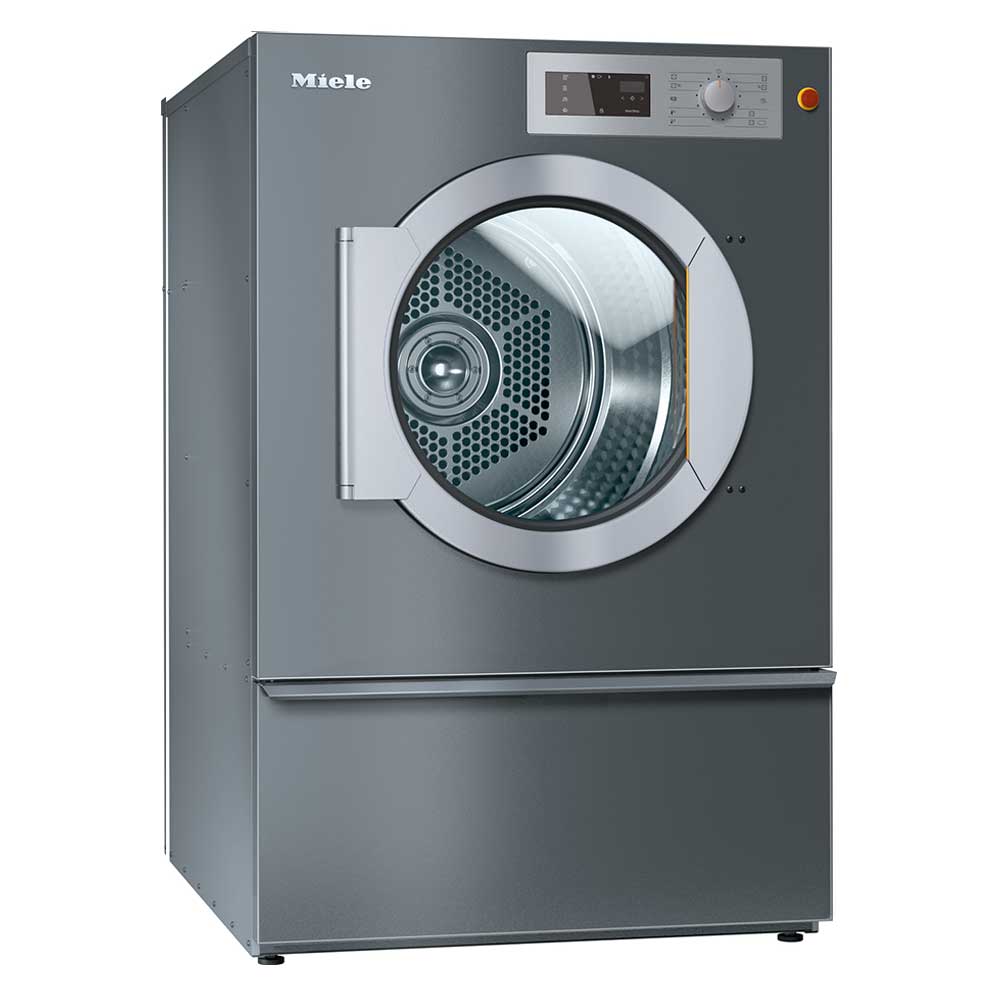
The Miele PDR-507 Vented Dryer is a professional-grade compact tumble dryer built for businesses and high-use environments that need fast, dependable drying in a small footprint. Designed for commercial laundry rooms, salons, hospitality settings, care facilities, and small on-premise laundries, this model combines a 7 kg load capacity with a 130-liter drum and vented exhaust-air drying for efficient everyday operation. The Miele PDR-507 Vented Dryer is especially appealing to users who value short cycle times, durable construction, and a space-saving design that fits into tighter utility areas without sacrificing performance.
One of its biggest advantages is speed. With short program durations and professional controls, it is suited to operations that require quick turnaround for towels, uniforms, linens, and mixed fabrics. The honeycomb drum helps protect textiles while improving airflow, and the large 370 mm door opening makes loading and unloading easier during busy shifts. This dryer is also known for its reliable build quality, making it a strong fit for facilities that run frequent cycles throughout the day.
Estimated pricing for the Miele PDR-507 Vented Dryer typically falls in the professional appliance range, with market listings showing roughly 3,000 to 3,800 EUR depending on configuration, region, and distributor. Availability is generally through commercial appliance dealers, professional laundry suppliers, and Miele business channels. For buyers comparing vented vs heat pump models, the vented version is usually favored when fast drying and simpler exhaust installation matter more than energy savings.
Specifications for Miele PDR-507 Vented Dryer
- Drying system: Vented, exhaust-air design for quick moisture removal
- Load capacity: 7 kg of dry laundry
- Drum volume: 130 liters for efficient airflow and textile movement
- Door opening diameter: 370 mm for easy access
- Door opening angle: 167 degrees for ergonomic loading
- External dimensions: Approximately 850 mm high, 596 mm wide, 717 mm deep
- Depth with door open: About 1131 mm
- Weight: Around 52 kg, depending on configuration
- Heating type: Electric
- Electrical load: Professional power connection, typically around 6.14 kW heater rating
- Maximum exhaust airflow: About 285 m³/h in vented mode
- Maximum exhaust-air temperature: Up to 80°C
- Typical cycle performance: Short program times designed for commercial use, with published benchmarks around 37 to 48 minutes depending on program and region
Compared with similar compact commercial dryers, the Miele PDR-507 Vented Dryer stands out for its fast cycle performance and robust professional construction. Heat-pump alternatives use less energy but generally take longer to dry, while many budget vented models lack the same build quality, drum design, and service support. For facilities prioritizing throughput, this model is a strong middle ground between size, speed, and reliability.
Troubleshooting the Miele PDR-507 Vented Dryer: Common Problems and Fixes
If the dryer is not drying properly, the first checks should focus on airflow. Inspect the exhaust duct for lint buildup, sharp bends, blockages, or crushed sections, because reduced airflow is a common cause of long drying times. Clean the lint filter after every load and confirm that the room ventilation is adequate. If laundry is still damp, reduce overloads and separate heavier fabrics from lighter items.
If the machine stops unexpectedly or displays a fault, power supply issues, door-latch problems, or overheating protection may be involved. Make sure the door closes firmly and the load is balanced. If an error code appears on the display, consult the machine’s service documentation or control-panel guide for the exact meaning, as professional Miele dryers use model-specific fault indications rather than universal codes. Persistent faults should be handled by a qualified technician.
Preventive maintenance is the best way to avoid breakdowns. Clean lint traps regularly, schedule duct inspection, and check seals, hinges, and drum movement during routine servicing. Warranty coverage and support options vary by region and seller, but professional Miele equipment is typically supported through commercial service partners and authorized distributors. For help, contact the selling dealer, Miele Professional support in your country, or an authorized laundry service provider. Keep the model number, serial number, and installation details ready when requesting support.
Pros and Cons of the Miele PDR-507 Vented Dryer
Pros
- Fast drying times make it ideal for busy commercial environments.
- 7 kg capacity is practical for salons, small hotels, clinics, and on-site laundry rooms.
- Compact footprint helps it fit into limited utility spaces.
- Honeycomb drum design supports gentler textile care and better airflow.
- Large door opening improves loading convenience during repetitive use.
- Strong professional build quality supports frequent daily operation.
Cons
- Vented design requires proper exhaust installation, which may limit placement options.
- Energy use is typically higher than a comparable heat pump dryer.
- Best value is in commercial settings; it may be overkill for light household use.
- Installation and servicing costs can be higher than those of basic domestic dryers.
For value for money, the Miele PDR-507 Vented Dryer is strongest when used in high-cycle environments where speed matters more than lowest energy consumption. Compared with heat pump alternatives, it is usually the better choice for throughput. Compared with cheaper commercial dryers, it offers better reliability, serviceability, and overall finish.
Customer Reviews of the Miele PDR-507 Vented Dryer
Owners and commercial users commonly rate this model highly for reliability, fast cycle times, and solid construction. Typical feedback highlights the dryer’s ability to handle repeated daily loads without noticeable loss of performance. Many users also praise the spacious drum and easy-loading door design.
Common complaints focus on energy consumption and the need for proper venting. Some buyers also note that installation requirements are more demanding than with plug-and-play household dryers. Average user sentiment is generally around 4.5 out of 5 stars in professional appliance discussions, with testimonials often describing it as “fast, durable, and worth the investment for busy laundry rooms.”
Recommended for buyers who need a commercial vented dryer that prioritizes speed, durability, and consistent results. It is less suitable for users looking for the lowest running cost or a simple domestic setup.
Faqs
How do I set up the Miele PDR-507 Vented Dryer for the first time?
What venting requirements does the Miele PDR-507 Vented Dryer need for proper airflow?
Why is my Miele PDR-507 Vented Dryer taking too long to dry clothes?
How do I troubleshoot a Miele PDR-507 Vented Dryer that will not start?
Which fabrics and laundry loads are best for the Miele PDR-507 Vented Dryer?
How often should I clean and maintain the Miele PDR-507 Vented Dryer?
What error symptoms should I watch for on the Miele PDR-507 Vented Dryer?
How can I optimize energy use and drying performance on the Miele PDR-507 Vented Dryer?
Tags
More miele manuals
Leave a Comment