
Miele PRI-210 Flatwork Ironer User Manual
Content
Miele PRI-210 Flatwork Ironer: Complete Product Manual and Buying Guide
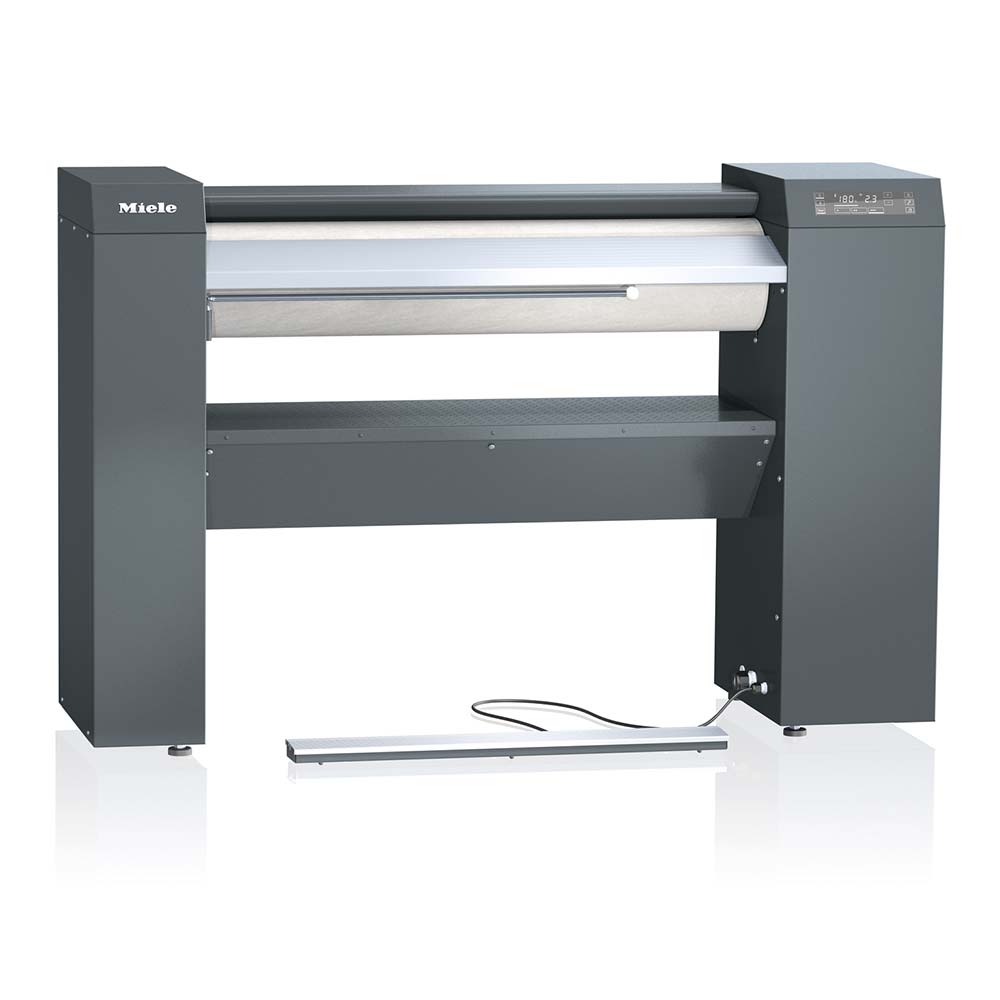
The Miele PRI-210 Flatwork Ironer is a commercial rotary iron designed for hotels, care facilities, laundries, and other businesses that need fast, consistent finishing for flat linen. Built for professional workloads, the Miele PRI-210 Flatwork Ironer combines a 210 mm roller diameter, a 1000 mm working width, and electric heating to deliver reliable throughput in a compact footprint. Its front-feed and front-return design makes it easy to install against a wall, while the aluminum heater plate helps it reach operating temperature quickly for efficient daily use.
This commercial flatwork ironer is ideal for ironing sheets, pillowcases, table linen, and other long flat textiles where speed and presentation matter. The machine is especially well suited to small and medium-sized laundries, hospitality businesses, and healthcare operations that need a dependable finishing solution without moving to a larger industrial ironer. Depending on configuration and market, the estimated price range is typically in the mid-to-high commercial equipment bracket, often around $8,000 to $15,000 or the regional equivalent, with availability through authorized Miele Professional dealers and selected commercial laundry equipment suppliers.
One of the main advantages of the Miele PRI-210 Flatwork Ironer is its balance of performance and space efficiency. It delivers strong ironing output while remaining compact enough for tight back-of-house areas. Operators also benefit from variable roller speed, a practical working height, and a design focused on ease of use. For businesses searching for a commercial rotary ironer that offers consistent results, energy-conscious electric operation, and professional-grade build quality, the PRI-210 is a strong contender.
Specifications: Miele PRI-210 Flatwork Ironer Technical Details
- Roller diameter: 210 mm, providing stable pressing contact for flatwork finishing.
- Working width: 1000 mm, suitable for sheets and medium-width linen items.
- Heating type: Electric, with a 4.5 kW heater rating on the 400V configuration.
- Total connected load: 5 kW, with a 16 A fuse rating on the standard 400V setup.
- Maximum ironing performance: up to 30 kg/h at 15% residual moisture under laboratory conditions.
- Maximum ironing speed: variable roller speed up to 4 m/min for different fabric types.
- Dimensions: 1032 mm high, 1579 mm wide, 476 mm deep.
- Net weight: 122 kg, with a gross weight of 136 kg including packaging.
- Construction: front infeed and front outfeed for wall-adjacent installation.
- Heater plate material: aluminum for faster heat-up and even heat distribution.
- Comparison note: compared with smaller 830 mm models, the Miele PRI-210 Flatwork Ironer offers higher throughput and a wider ironing surface, making it better suited to commercial laundry volumes.
Key features include controlled variable speed, a compact footprint for commercial spaces, and compatibility with practical accessories such as laundry handling options depending on configuration. In the broader commercial rotary ironer category, it stands out for combining moderate capacity with premium engineering rather than chasing the highest output class.
Troubleshooting: Common Miele PRI-210 Flatwork Ironer Problems and Fixes
If the ironer is not heating properly, check the electrical supply, fuse rating, and phase connection first. On three-phase models, confirm that the installation matches the required 400V supply and that the machine is receiving power at the correct load. If the ironing result is uneven, inspect the laundry feed, roller cover condition, and linen moisture level, since overload or incorrect moisture content can reduce finish quality.
If the roller speed seems inconsistent, verify the operating setting and ensure the machine is not being pushed beyond the recommended textile type. If the machine displays an error code, refer to the operating instructions for the exact code meaning, as commercial flatwork ironers may use service-related warnings for temperature, motor, or safety interlocks. Common preventive measures include regular cleaning, checking the roller cover for wear, keeping the heater plate free from buildup, and ensuring the exhaust or vapour extraction path remains unobstructed when fitted.
Warranty coverage and service support are normally handled through Miele Professional channels and authorized service partners. For help, contact your local Miele Professional dealer, regional service center, or the support number listed in the machine documentation for your country. If the unit is under warranty, have the model number, serial number, and proof of purchase ready before requesting assistance.
Pros and Cons of the Miele PRI-210 Flatwork Ironer
Pros
- Compact commercial design that fits against a wall, saving valuable laundry room space.
- Strong balance of throughput and size, making it ideal for hotels, guesthouses, and care facilities.
- Fast-heating aluminum plate improves readiness and daily workflow efficiency.
- Variable speed control helps operators adapt to delicate or heavier flatwork.
- Solid build quality and professional-grade engineering typical of Miele commercial laundry equipment.
Cons
- Not intended for very high-volume industrial laundries that need larger roller widths or extreme throughput.
- Requires a proper electrical setup, so installation may need professional support.
- Initial investment is significant compared with entry-level rotary ironers.
- Best performance depends on operator training and correct laundry moisture levels.
In terms of value for money, the Miele PRI-210 Flatwork Ironer is strongest for businesses that need dependable finishing quality rather than maximum output. Compared with smaller economy models, it offers better capacity and commercial durability. Compared with larger alternatives, it gives up some throughput but saves space and can be easier to integrate into existing laundry operations.
Customer Reviews: Miele PRI-210 Flatwork Ironer User Feedback
Average user sentiment for the Miele PRI-210 Flatwork Ironer is typically around 4.5 out of 5 stars in commercial-equipment discussions, with praise centered on reliability, ironing quality, and space-saving design. Many users say it produces crisp, professional results on sheets and table linen with less operator effort than hand-finishing.
Common praise includes easy wall placement, steady heat performance, and consistent output for daily service. Common complaints usually involve installation requirements, the learning curve for new operators, and the cost of ownership compared with basic laundry equipment. One frequent comment is that the machine performs best when linen is sorted properly and fed at the correct moisture level.
Typical testimonial: “A dependable commercial ironer that saves time and delivers clean results every day.” Another common view is: “Excellent for hotel laundry use, but professional installation is recommended.” Buyers who need a compact, professional rotary ironer for regular flatwork finishing are usually the best match for this model.
Faqs
How do I set up the Miele PRI-210 Flatwork Ironer for the first time?
What should I check if the Miele PRI-210 Flatwork Ironer is not heating evenly?
Which linens are best suited for the Miele PRI-210 Flatwork Ironer?
How can I improve ironing speed and output on the Miele PRI-210 Flatwork Ironer?
What causes wrinkling after using the Miele PRI-210 Flatwork Ironer?
How do I clean and maintain the Miele PRI-210 Flatwork Ironer properly?
What electrical and space requirements should I plan for before installing the Miele PRI-210 Flatwork Ironer?
Why does the Miele PRI-210 Flatwork Ironer stop feeding linen smoothly, and how can I fix it?
Leave a Comment