
Morton M20 Water Softener User Manual
Content
Morton M20 Water Softener Review and Product Manual
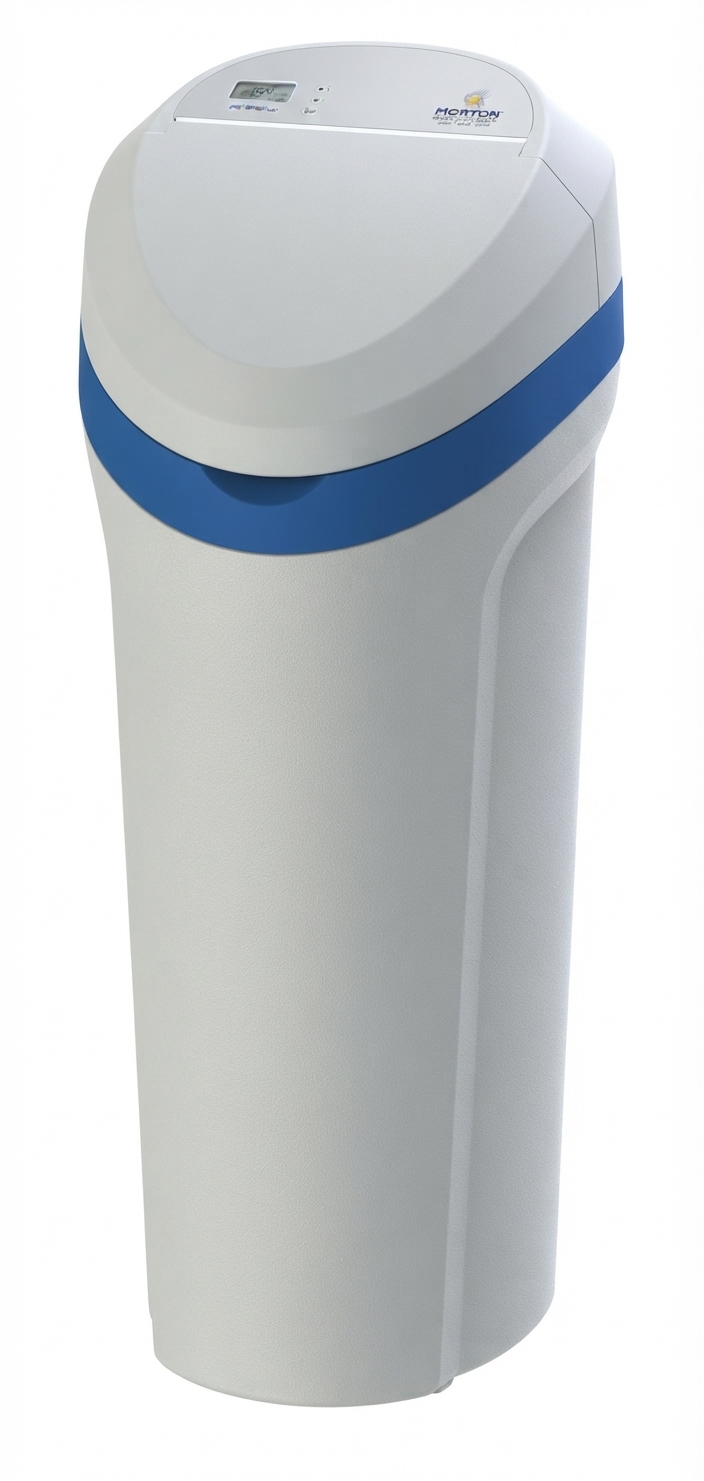
The Morton M20 Water Softener is a compact demand-initiated system designed for small households that need reliable hard-water treatment without taking up much space. With a 20,000-grain capacity, smart regeneration controls, and support for up to 95 gpg hardness, it is built to reduce scale buildup, improve soap performance, and help protect plumbing, fixtures, and water-using appliances. The Morton M20 Water Softener also supports clear-water iron reduction up to 6 ppm, making it a practical choice for homes dealing with both hardness and light iron staining.
This model is especially well suited for apartments, small homes, or households of one to two people with average to moderately hard water. Its demand-initiated regeneration helps conserve salt and water by only cycling when needed, while Look Ahead Technology improves efficiency by predicting usage patterns. The system’s high-flow valve and 1-inch plumbing connections make it a strong fit for standard residential installations. For buyers comparing compact softeners, the Morton M20 Water Softener stands out for its balance of capacity, water efficiency, and ease of use.
Estimated pricing typically falls in the mid-range for residential softeners, often around $500 to $900 depending on retailer, bundles, and installation costs. Availability is generally good through major home improvement channels and Morton’s official sales and support pages. For shoppers seeking a dependable whole-house solution, this model offers a solid mix of performance and value.
Morton M20 Water Softener Specifications and Key Features
Here is a quick technical breakdown of the Morton M20 Water Softener for easy comparison and featured-snippet optimization:
- Grain capacity: 20,000 grains
- Maximum water hardness: 95 grains per gallon
- Clear-water iron removal: up to 6 ppm
- Salt capacity: 175 lbs
- Regeneration type: demand-initiated regeneration
- Control technology: Look Ahead Technology
- Valve type: high-flow valve
- Plumbing connections: 1-inch male pipe thread
- Dimensions: 20 5/8 x 17 1/4 x 42 3/4 inches
- Weight: 74 lbs
- Service profile: ideal for small households and moderate usage
Compared with similar compact softeners, the Morton M20 Water Softener offers strong hardness handling and a useful iron-reduction rating, which makes it more versatile than basic entry-level models. Its demand-based regeneration is also a practical advantage over timer-only systems because it reduces unnecessary water and salt use.
Pros and Cons of the Morton M20 Water Softener
The Morton M20 Water Softener is a strong option for homeowners who want a compact system with smart efficiency features and broad residential compatibility.
Pros
- Compact 20,000-grain design is ideal for small homes and limited utility spaces.
- Demand-initiated regeneration helps reduce salt waste and lower operating costs.
- Supports up to 95 gpg hardness, which is excellent for a compact softener.
- 6 ppm iron reduction adds value in homes with mild iron issues.
- High-flow valve supports steady water delivery for everyday use.
- Good value for money when compared with similarly sized name-brand systems.
Cons
- Not the best choice for larger households with high water demand.
- Smaller capacity means more frequent regeneration in very hard water areas.
- Installation may still require a professional if plumbing modifications are needed.
- For heavy iron problems, a dedicated iron filter may be a better alternative.
For buyers comparing alternatives, the Morton M20 Water Softener is best seen as a balanced everyday softener rather than a high-capacity whole-home system. It offers a better feature set than many budget units, but larger Morton models may be more appropriate for growing households.
Morton M20 Water Softener Customer Reviews and User Feedback
Customer feedback for the Morton M20 Water Softener is generally positive, especially from users who value easier laundry, cleaner fixtures, and less scale on faucets and appliances. Many reviewers give it around 4 out of 5 stars, praising its compact size, efficient regeneration, and noticeable improvement in water feel. One common comment is that the system performs well for small homes and is easy to live with once installed.
Frequent complaints usually center on setup complexity, regeneration noise, or the need to monitor salt levels more closely in hard-water regions. Some users also note that the system is less suitable for larger families or homes with heavy water consumption. A typical testimonial is: “Our water spots dropped quickly, and the shower difference was immediate.” Another common sentiment is that it is a worthwhile purchase for homeowners wanting reliable soft water without overpaying for oversized capacity.
If you need a compact, efficient water softener for moderate residential use, the Morton M20 Water Softener is a smart buy. If your home has very hard water, high iron, or a larger household, consider stepping up to a higher-capacity model.
Frequently Asked Questions About the Morton M20 Water Softener
What size home is the Morton M20 best for?
It is best suited for small households, typically one to two people, or homes with moderate water usage.
Does the Morton M20 remove iron?
Yes, it is designed to reduce clear-water iron up to 6 ppm, which helps with light staining and water discoloration.
Is the Morton M20 Water Softener energy efficient?
Yes, its demand-initiated regeneration and Look Ahead Technology help reduce unnecessary cycles and improve overall efficiency.
Is it worth the price?
For compact residential use, it offers strong value because it combines smart controls, solid capacity, and useful iron reduction in a space-saving design.
Faqs
How do I set up morton M20 Water Softener for the first time?
What water hardness setting should I use on morton M20 Water Softener?
Why is my morton M20 Water Softener not using salt properly?
Why is morton M20 Water Softener leaving my water feeling hard?
Can morton M20 Water Softener work with well water and city water?
How often should morton M20 Water Softener regenerate for best performance?
What maintenance does morton M20 Water Softener need to stay efficient?
How do I troubleshoot low water pressure with morton M20 Water Softener?
More morton manuals
Leave a Comment