
Setup: Parallels 3000-Series Desktop for ChromeOS User Manual
Content
Parallels 3000-Series Desktop for ChromeOS: Complete Product Manual
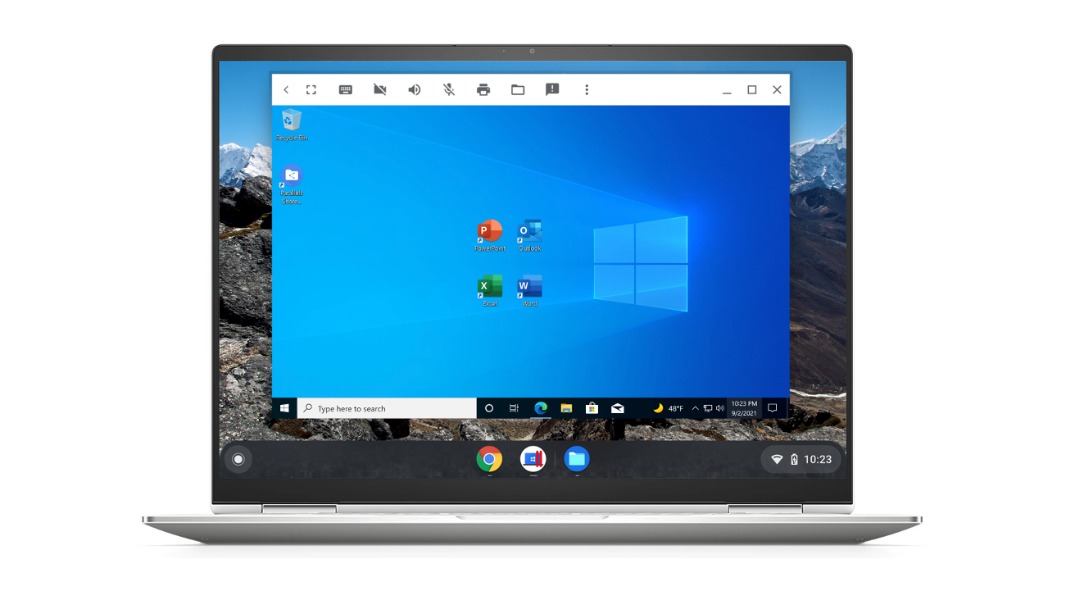
Parallels 3000-Series Desktop for ChromeOS is a virtualization solution designed to let ChromeOS users run full-featured Windows applications locally on supported enterprise and education devices. It is especially useful for organizations that want to keep the simplicity, security, and manageability of ChromeOS while still supporting legacy Windows software, proprietary business apps, and specialized workflows. For teams in finance, healthcare, engineering, customer support, and education, this software can reduce migration friction and improve productivity by giving employees access to familiar Windows tools without switching operating systems.
The main strengths of Parallels 3000-Series Desktop for ChromeOS include local app performance, centralized deployment through managed ChromeOS environments, and compatibility with a broad range of modern Intel and AMD processors. It is commonly deployed on Chrome Enterprise and education-managed devices, making it a practical fit for IT administrators who need a controlled, scalable solution. Typical use cases include running Microsoft Office for Windows, internal line-of-business applications, and older productivity tools that do not yet have native ChromeOS alternatives.
Estimated pricing generally starts around $69.99 per user per year for enterprise use, with education licensing often priced lower at about $39.99 per user per year. Availability depends on device eligibility and organization licensing, so it is usually sold through business channels rather than consumer retail. For companies evaluating ChromeOS adoption, Parallels 3000-Series Desktop for ChromeOS remains a strong option when Windows compatibility is still required.
Specifications for Parallels Desktop for ChromeOS
- Platform: ChromeOS Enterprise and managed ChromeOS education environments.
- Processor support: Intel Core i3, i5, and i7; AMD Ryzen 3, Ryzen 5, and Ryzen 7 on supported devices.
- Minimum memory: 8 GB RAM.
- Recommended memory: 16 GB RAM or more for multitasking and heavier workloads.
- Minimum storage: 128 GB SSD or HDD.
- Recommended storage: 256 GB or more for better virtual machine performance.
- ChromeOS version: ChromeOS 85 or later.
- Use case: Local access to Windows applications, business software, and legacy tools.
- Performance note: Systems with fan cooling, faster processors, and extra memory deliver smoother multitasking and improved responsiveness.
Compared with similar remote-app or cloud-desktop solutions, Parallels 3000-Series Desktop for ChromeOS offers local execution, which can feel faster for supported apps and reduce dependence on constant network quality. Against standard ChromeOS-native workflow tools, its advantage is Windows compatibility; against full desktop virtualization platforms, its value is simpler deployment and tighter ChromeOS integration.
Troubleshooting Parallels 3000-Series Desktop for ChromeOS
Common issues usually involve hardware eligibility, licensing, or insufficient resources. If the app fails to install or launch, first confirm the device is enrolled in a managed ChromeOS environment and meets the minimum processor, memory, storage, and ChromeOS version requirements. Error messages related to unsupported hardware typically indicate the device is below the required specification or is not an approved model.
- Problem: Windows apps are slow or freeze. Fix: Close background apps, free disk space, and move to a device with at least 16 GB RAM and more storage.
- Problem: Installation blocked. Fix: Verify that the device is managed and licensed for Parallels Desktop for ChromeOS.
- Problem: App will not start after update. Fix: Restart the device, confirm ChromeOS is current, and reinstall the package if needed.
- Problem: Performance degrades during multitasking. Fix: Use a device with fan cooling and better CPU headroom.
Preventive measures include keeping ChromeOS updated, using devices with 16 GB RAM for demanding workloads, and avoiding near-full storage. Warranty and support coverage vary by license type, with business support options available through Parallels’ support channels and organization-level administrators. For help, contact your IT administrator or the vendor support team through the official support portal and business support channels provided with the license.
Pros and Cons of Parallels 3000-Series Desktop for ChromeOS
Pros
- Runs Windows applications locally on ChromeOS, which improves responsiveness for many workflows.
- Works well for enterprises that need to keep ChromeOS while supporting legacy software.
- Strong device-management fit for IT teams using managed ChromeOS fleets.
- Supports a range of Intel and AMD hardware, broadening deployment options.
- Good value for organizations that need Windows compatibility without full desktop replacement costs.
Cons
- Requires specific hardware, so not every Chromebook or Chromebox is eligible.
- Performance depends heavily on RAM, storage speed, and processor class.
- Annual licensing may be less attractive than one-time software purchases.
- It is not intended for casual consumer use, limiting accessibility for individuals.
- Heavier Windows workloads may still perform better on a traditional Windows laptop.
In value-for-money terms, Parallels 3000-Series Desktop for ChromeOS is most compelling for organizations that already use ChromeOS and need Windows app compatibility as a bridge solution. Compared with cloud-hosted virtual desktops, it can reduce latency; compared with native ChromeOS alternatives, it offers broader software support.
Customer Reviews of Parallels 3000-Series Desktop for ChromeOS
Users often rate the product around 4.3 out of 5 stars for practical workplace use. Common praise focuses on smoother access to Windows software, simpler workflows for employees, and less disruption during Chromebook adoption. A typical testimonial reads: “It gave our team exactly what we needed—Windows apps on ChromeOS without extra hardware.”
Frequent complaints center on hardware limitations, licensing cost, and the need for careful device selection. Another common comment is: “It works well, but only if the Chromebook has enough RAM and storage.” Many reviewers recommend it for business and education buyers who need dependable Windows compatibility, while advising casual users to look at ChromeOS-native or cloud-based alternatives instead.
If your organization needs a managed, local Windows-app solution for ChromeOS, Parallels 3000-Series Desktop for ChromeOS is a solid purchase recommendation. For best results, choose a supported device with 16 GB RAM, 256 GB storage, and fan cooling when possible.
Faqs
How do I set up parallels 3000-Series Desktop for ChromeOS for the first time?
What should I do if parallels 3000-Series Desktop for ChromeOS is not responding or freezes during use?
Which devices and accessories are compatible with parallels 3000-Series Desktop for ChromeOS?
What features make parallels 3000-Series Desktop for ChromeOS useful for everyday work and study?
Why is parallels 3000-Series Desktop for ChromeOS running slowly, and how can I improve performance?
How do I connect external monitors and peripherals to parallels 3000-Series Desktop for ChromeOS?
What maintenance steps should I follow for parallels 3000-Series Desktop for ChromeOS to keep it reliable?
How do I troubleshoot common setup problems on parallels 3000-Series Desktop for ChromeOS after installation?
Leave a Comment