
Pilot Air FP10002 Rotary Screw Compressor User Manual
Content
pilot air FP10002 Rotary Screw Compressor: Complete Product Manual and Buyer Guide
Introduction
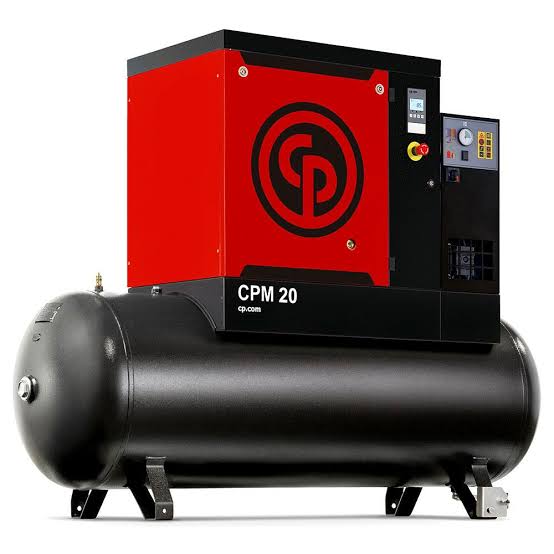
The pilot air FP10002 Rotary Screw Compressor is a compact, low-noise rotary screw compressor designed for workshops, light industrial operations, service fleets, and small production environments that need dependable compressed air without the pulse and vibration of a piston unit. Built for continuous-duty performance, it delivers stable airflow, improved energy efficiency, and smoother operation for tools, spray systems, and general pneumatic equipment.
One of its biggest advantages is its combination of efficient output and quiet running. With a sound level around 59 dB(A), it is well suited to indoor workplaces where operator comfort and reduced noise matter. The unit also produces oil residue in air below 3 ppm, making it a strong option for users who need cleaner compressed air for precision tasks. The FP10002 is especially attractive for auto repair shops, woodworking businesses, fabrication areas, and light manufacturing lines that require reliable air delivery throughout the day.
Typical pricing for the pilot air FP10002 Rotary Screw Compressor generally falls into the mid-range commercial compressor category, with market availability varying by region, dealer stock, and installation requirements. Buyers should expect pricing to depend on voltage configuration, accessories, and after-sales support packages. It is commonly available through Pilot Air dealers and industrial compressor suppliers in Australia and similar markets.
Specifications for the pilot air FP10002 Rotary Screw Compressor
- Model: FP10002 / 240V-RM
- Motor output: 3 HP / 2.2 kW
- Maximum pressure: 9 bar at 50 Hz; 7.5 bar at 60 Hz
- Free air delivery: 300 L/min at 50 Hz; 310 L/min at 60 Hz
- Air outlet fitting: R 1/2
- Oil quantity: 2 L
- Oil residue in air: less than 3 ppm
- Noise level: 59 dB(A)
- Maximum starts per hour: 10
- Ambient temperature range: 5°C to 40°C
- Power supply: 220/240V single-phase and 380/415V variants may be available depending on configuration
In performance terms, the unit is best compared with small fixed-speed rotary screw compressors rather than piston compressors of similar motor size. It offers steadier air delivery, better duty-cycle performance, and lower noise than many conventional reciprocating models. For users comparing rotary screw compressor options, the FP10002 stands out as a practical entry-level commercial machine for moderate air demand.
Troubleshooting the pilot air FP10002 Rotary Screw Compressor
Common issues with the pilot air FP10002 Rotary Screw Compressor are usually related to airflow, temperature, power supply, or maintenance intervals. Many problems can be solved quickly with basic checks before service is required.
- Compressor fails to start: Check incoming power, overload protection, emergency stop, and motor wiring.
- Low air output: Inspect intake filter condition, leaks in hoses or fittings, and whether demand exceeds rated capacity.
- High operating temperature: Clean cooling surfaces, verify oil level, and confirm the unit has proper ventilation.
- Excessive noise or vibration: Tighten mounting hardware, inspect bearings, and check for loose panels.
- Oil carryover: Replace separators or filters if oil residue begins to increase above normal levels.
Typical compressor alarms may relate to overload, temperature, or phase/power faults depending on the controller used, so consult the local control panel display for the exact code and follow the shutdown procedure in the manual. Preventive maintenance helps avoid most downtime: keep the intake filter clean, monitor oil condition, drain condensate, and inspect belts or couplings if fitted. Warranty coverage for Pilot Air rotary screw compressors may include limited factory coverage for the air end and related components, depending on model and purchase terms. For support, contact Pilot Air through the official dealer network or head office service desk for parts, technical assistance, and warranty claims.
Pros and Cons of the pilot air FP10002 Rotary Screw Compressor
Pros
- Quiet operation at around 59 dB(A), making it suitable for indoor workplaces.
- Stable rotary screw performance with smoother airflow than many piston compressors.
- Low oil carryover, which supports cleaner compressed air for sensitive applications.
- Compact 3 HP class design that fits smaller workshops and service bays.
- Good value for users who need dependable everyday air supply without overspending on a large industrial unit.
Cons
- Lower output than larger fixed-speed rotary screw compressors, so it is not ideal for heavy continuous loads.
- Higher upfront cost than many entry-level piston compressors.
- Requires routine maintenance and proper ventilation to maintain performance.
- May be undersized for multi-tool production environments or high-demand spray booths.
Compared with alternative small rotary screw compressors, the FP10002 offers a strong balance of noise control, air quality, and simplicity. It is best for buyers who value reliability and long service intervals over the lowest purchase price.
Customer Reviews of the pilot air FP10002 Rotary Screw Compressor
User feedback for the pilot air FP10002 Rotary Screw Compressor is generally positive, with many owners rating it around 4.5 out of 5 stars for quietness and dependable daily use. Customers often praise the smooth start-up, consistent air delivery, and reduced noise compared with older piston compressors.
- “Much quieter than our old compressor and perfect for our small workshop.”
- “Runs smoothly all day with minimal vibration.”
- “Great air quality for spray and finishing work.”
Common complaints usually focus on price, installation requirements, and the need for scheduled servicing. Buyers recommend it most for workshops, garages, and small industrial users who need reliable compressed air with low noise and minimal oil carryover. For heavier production loads, many reviewers suggest moving up to a larger rotary screw compressor model.
Is the pilot air FP10002 Rotary Screw Compressor Worth Buying?
If you need a compact, quiet, and efficient compressor for professional everyday use, the pilot air FP10002 Rotary Screw Compressor is a strong option. It is especially well suited to small businesses that want rotary screw reliability, cleaner air output, and lower noise without the footprint of a larger industrial system.
For workshops, service centers, and light manufacturing spaces, it offers a practical mix of performance and value. Buyers needing higher airflow or nonstop heavy-duty production should consider a larger rotary screw model instead.
Faqs
How do I set up the pilot air FP10002 Rotary Screw Compressor for first-time use?
What air line and electrical requirements does the pilot air FP10002 Rotary Screw Compressor need?
Why is my pilot air FP10002 Rotary Screw Compressor not building pressure fast enough?
How do I troubleshoot overheating on the pilot air FP10002 Rotary Screw Compressor?
What maintenance schedule should I follow for the pilot air FP10002 Rotary Screw Compressor?
What are the main features of the pilot air FP10002 Rotary Screw Compressor that affect performance?
Can the pilot air FP10002 Rotary Screw Compressor run continuously in a workshop or industrial setting?
How can I improve efficiency and reduce operating costs on the pilot air FP10002 Rotary Screw Compressor?
Tags
Leave a Comment