
Polaris PG-10 Gas Water Heater User Manual
Content
Polaris PG-10 Gas Water Heater Review: A High-Efficiency Residential Hot Water Solution
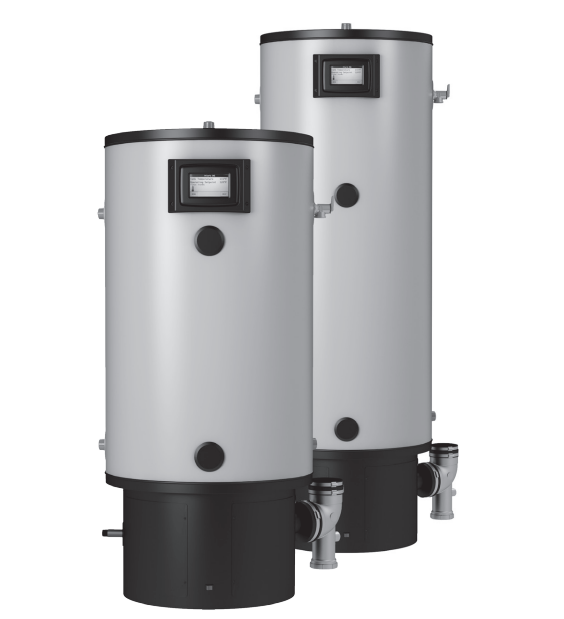
The Polaris PG-10 Gas Water Heater is a premium, high-efficiency storage water heater designed for homeowners who want fast recovery, strong hot-water output, and lower energy waste. Built with condensing technology and a power direct vent design, it is engineered for indoor installation and is well suited for larger households, high-demand homes, and properties that need a dependable gas water heater with consistent performance. The Polaris PG-10 Gas Water Heater stands out for its ultra-low NOx emissions, stainless-steel construction, and impressive thermal efficiency, making it a strong choice for buyers who prioritize long-term value and durability.
This model is commonly used in homes with multiple bathrooms, heavy daily hot-water use, or simultaneous demand from showers, laundry, and dishwashing. Depending on the configuration, the PG10 line is available in different tank sizes and BTU ratings, with typical residential variants offering 34-gallon or 50-gallon storage and input levels ranging from 100,000 to 199,000 BTU. Estimated pricing generally falls in the premium range, with many models starting around the mid-$5,000s and reaching above $7,000, depending on capacity, fuel type, and retailer. Availability is strongest through specialty plumbing suppliers and water-heater distributors rather than general retail stores. For buyers comparing the Polaris PG-10 Gas Water Heater to standard tank-style units, the main advantage is its combination of efficient operation, strong recovery, and commercial-grade build quality in a residential format.
Polaris PG-10 Gas Water Heater Specifications and Key Features
- Product type: High-efficiency gas storage water heater
- Fuel options: Natural gas and propane configurations
- Tank sizes: Common residential models include 34 gallons and 50 gallons
- Input rating: Available in approximately 100,000 BTU, 130,000 BTU, 150,000 BTU, and up to 199,000 BTU versions
- Thermal efficiency: Up to 96% on select models
- Vent type: Power direct vent
- Installation: Indoor residential installation
- Ignition: Electronic hot surface ignition
- Emissions: Ultra-low NOx on supported models
- Construction: Stainless-steel tank design for improved corrosion resistance
- Power requirements: 120V electrical supply for controls and ignition
- Warranty: Commonly offered with 10-year tank and parts coverage on premium versions
In performance terms, the Polaris PG-10 Gas Water Heater is positioned above many standard atmospheric water heaters because it delivers higher recovery and better energy utilization. Compared with conventional residential gas models, it offers stronger efficiency, lower emissions, and more robust hot-water delivery. Against similar premium condensing water heaters, it competes on build quality and first-hour performance, especially in households that need sustained hot water rather than a basic budget option.
Pros and Cons of the Polaris PG-10 Gas Water Heater
Pros
- High efficiency: Condensing design helps reduce fuel consumption and improves operating performance over standard gas water heaters.
- Strong hot-water delivery: Good recovery rates make it suitable for families with multiple back-to-back hot-water needs.
- Durable construction: Stainless-steel components and premium materials support long service life.
- Low emissions: Ultra-low NOx performance is a major benefit for environmentally conscious buyers.
- Premium value: The upfront cost is high, but the combination of efficiency, output, and durability can justify the investment for heavy users.
Cons
- Higher purchase price: This is not a budget water heater, and installation can add significantly to total cost.
- Specialized installation: Requires indoor venting, electrical power, and proper setup by an experienced installer.
- Larger footprint: The unit is taller and heavier than many standard tank heaters.
- Best for specific users: Light-use households may not fully benefit from the premium performance.
For value for money, the Polaris PG-10 Gas Water Heater is strongest in demanding homes where hot-water reliability and efficiency matter more than initial savings. Compared with lower-cost alternatives, it delivers a more advanced feature set and better long-term operating characteristics.
Customer Reviews: What Buyers Say About the Polaris PG-10 Gas Water Heater
Overall customer sentiment is typically very positive, with many owners giving it around 4.5 out of 5 stars for performance and reliability. Users frequently praise the fast recovery time, stable water temperature, and ability to support multiple showers or appliances without running out of hot water. One common comment is that it feels like a “commercial-grade heater in a residential home,” which reflects its premium build and output.
Common complaints usually focus on the price, the cost of professional installation, and the complexity of venting requirements. Some buyers also mention that replacement parts and service are best handled by experienced technicians. Despite those concerns, the Polaris PG-10 Gas Water Heater is often recommended for larger households, upscale remodels, and homeowners replacing an underpowered tank. If the goal is long-term performance, energy efficiency, and dependable hot water, it is one of the stronger premium gas water heater options available.
Faqs
How do I set up the polaris PG-10 Gas Water Heater for the first time?
What should I check if the polaris PG-10 Gas Water Heater does not ignite?
Why is my polaris PG-10 Gas Water Heater producing lukewarm water instead of hot water?
What water pressure and gas supply does the polaris PG-10 Gas Water Heater need to work properly?
How can I improve the heating efficiency of the polaris PG-10 Gas Water Heater?
How often should I maintain the polaris PG-10 Gas Water Heater?
Is the polaris PG-10 Gas Water Heater compatible with low-water-pressure homes?
What safety checks should I perform before using the polaris PG-10 Gas Water Heater every day?
Leave a Comment