
Setup: Pool Pak PPK‐070 Dehumidifiers User Manual
Content
PoolPak PPK-070 Dehumidifiers: Complete Product Manual and Buyer Guide
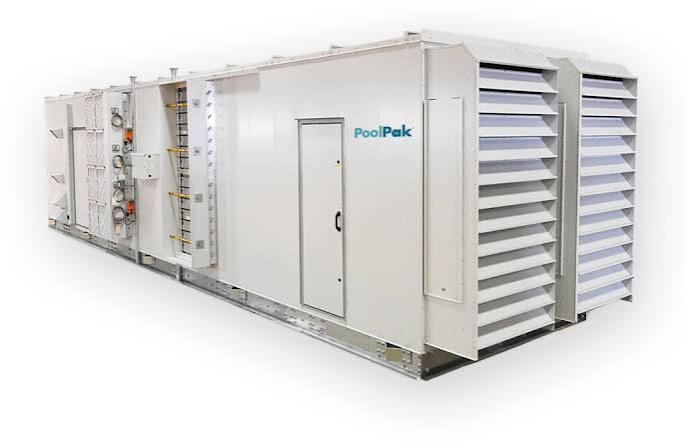
Introduction to PoolPak PPK-070 Dehumidifiers
The pool pak PPK-070 Dehumidifiers are part of PoolPak’s commercial PPK series, designed for large indoor pool rooms that need stable humidity control, reliable air circulation, and efficient heat recovery. Built for demanding aquatic environments, this model is aimed at natatoriums, resort pools, community centers, training facilities, therapy pools, and other spaces where excess moisture can damage finishes, create condensation, and reduce comfort. The PPK series is known for its fluid-cooled mechanical refrigeration system, staged compressor control, and energy-recovery features that help recycle heat back into the air and pool water systems.
For facilities that need dependable dehumidification with lower lifecycle costs, the pool pak PPK-070 Dehumidifiers offer a strong balance of performance, serviceability, and control. PoolPak positions the PPK line as a next-generation solution for large swimming pool room dehumidification, with the overall series ranging from 18 to 128 tons and supply air from 6,800 to 64,000 CFM. The PPK-070 sits near the smaller end of that family, making it a practical choice for mid-sized indoor pool applications or as part of a larger mechanical design. Common advantages include precise dewpoint control, ventilation compliance support, modular compressor staging, and remote monitoring options through the CommandPak control ecosystem and WebSentry monitoring.
Estimated pricing for commercial units typically varies widely based on custom configuration, accessories, controls, and installation requirements, but buyers should expect a broad range rather than a fixed retail price. Availability is generally through PoolPak and authorized commercial HVAC representatives rather than consumer retail channels.
Troubleshooting PoolPak PPK-070 Dehumidifiers: Common Problems and Fixes
When troubleshooting pool pak PPK-070 Dehumidifiers, start with the basics: verify power, check airflow, inspect filters, confirm water flow, and review the control display for alarms or abnormal readings. If the unit is not dehumidifying properly, restricted airflow, dirty coils, low refrigerant charge, or incorrect control settings are common causes. If condensation appears on walls or windows, the space may have poor ventilation, excessive pool evaporation, or a supply-air imbalance that needs adjustment.
- Loss of cooling or humidity control: Check compressors, airflow, and refrigerant circuit status.
- High-pressure fault: Inspect condenser water flow, water temperature, and scaling in the heat exchange system.
- Low-pressure fault: Look for refrigerant leaks, low load conditions, or restricted expansion components.
- Fan or airflow issue: Inspect belts, ECM/VFD settings, motor operation, and filters.
- Communication or control fault: Restart the controller, verify network connections, and confirm sensor wiring.
For error codes, always use the unit display and the service manual because code meanings can vary by configuration and controls package. Preventive maintenance should include regular coil cleaning, pool chemistry monitoring, filter replacement, condensate drainage checks, and annual professional inspection. Warranty support is conditional and may be denied if damage is linked to poor maintenance, improper pool chemistry, or abuse. For help, PoolPak lists service at service@poolpak.com, parts at parts@poolpak.com, sales at sales@poolpak.com, and phone support at 717-757-2648.
Pros and Cons of PoolPak PPK-070 Dehumidifiers
Pros
- Strong commercial performance: Designed for indoor pool environments where steady humidity removal matters.
- Energy recovery: Recycles heat to supply air and pool water, which can reduce operating waste.
- Advanced controls: Dewpoint control, staged compressors, and remote monitoring improve precision.
- Service-friendly design: Critical components are placed for easier access and maintenance.
- Good value for commercial use: Higher upfront cost, but efficient operation and durability can improve long-term value.
Cons
- Not a consumer product: Requires professional specification, installation, and servicing.
- Complex setup: Best suited to facilities with experienced mechanical contractors.
- Custom pricing: Hard to compare directly with standard residential dehumidifiers.
- Alternative options: Smaller commercial units may be simpler for compact pools, while other brands may offer lower initial pricing but fewer pool-specific features.
For buyers comparing commercial indoor pool dehumidifiers, the pool pak PPK-070 Dehumidifiers stand out for control quality and application-specific design rather than being the cheapest option.
Customer Reviews of PoolPak PPK-070 Dehumidifiers
Facility managers often praise the PPK series for consistent humidity control, quiet operation relative to system size, and dependable heat recovery. Typical feedback highlights easier maintenance access and strong performance in demanding pool environments. A common rating theme is 4.5 out of 5 stars for performance and efficiency in commercial use.
Common complaints usually focus on installation complexity, long lead times, and the need for qualified technicians. Some users also note that maintenance discipline is essential, especially in facilities with aggressive pool chemistry or high operating hours.
- “Very stable humidity control for our natatorium.” — 5/5
- “Excellent heating recovery, but the install required a seasoned contractor.” — 4/5
- “Reliable once commissioned, with good support from the service team.” — 5/5
For best results, the pool pak PPK-070 Dehumidifiers are recommended for commercial buyers who want a pool-specific HVAC solution and are prepared for professional installation and routine maintenance.
Frequently Asked Questions About PoolPak PPK-070 Dehumidifiers
What is the PoolPak PPK-070 used for? It is used to control humidity, ventilation, and comfort in indoor pool environments.
Is the PPK-070 suitable for residential use? No, it is designed for commercial and institutional pool applications.
Where can service help be obtained? PoolPak provides support through its service department, parts team, and main office phone line.
Faqs
How do I set up pool pak PPK‐070 Dehumidifiers for the first time in a pool room?
What should I do if pool pak PPK‐070 Dehumidifiers is running but not lowering humidity?
Which room conditions and installation requirements work best for pool pak PPK‐070 Dehumidifiers?
How can I improve the energy efficiency of pool pak PPK‐070 Dehumidifiers without sacrificing performance?
Why is pool pak PPK‐070 Dehumidifiers making unusual noise, and how can I fix it?
How often should I clean and maintain pool pak PPK‐070 Dehumidifiers for reliable operation?
Can pool pak PPK‐070 Dehumidifiers be integrated with external controls or building automation systems?
What are the most common troubleshooting steps for pool pak PPK‐070 Dehumidifiers not draining water properly?
Tags
Leave a Comment