
Ro-Man 3 Stage Reverse Osmosis System User Manual
Content
ro-man 3 Stage Reverse Osmosis System: Complete Product Manual and Buyer Guide
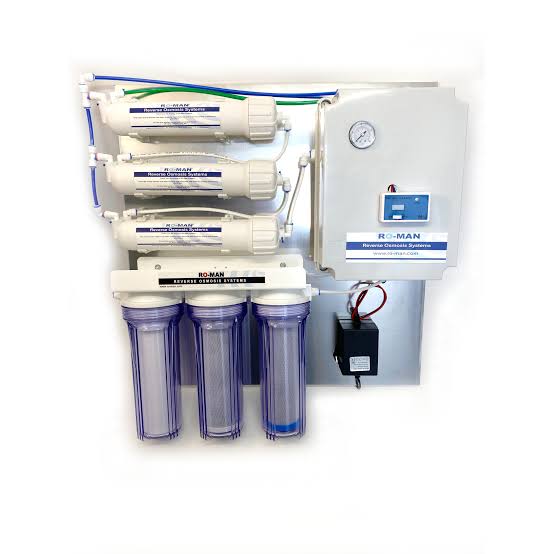
Introduction
The ro-man 3 Stage Reverse Osmosis System is a compact drinking water purification solution designed to reduce dissolved solids, sediment, chlorine, and other common contaminants from tap water. Built around a three-stage filtration process, it combines a sediment filter, a carbon block filter, and a reverse osmosis membrane to deliver cleaner-tasting water for kitchens, offices, workshops, and light commercial use. For households that want a straightforward under-sink water filtration upgrade, this system offers a practical balance of performance, footprint, and value.
One of its biggest strengths is versatility. The ro-man 3 Stage Reverse Osmosis System is well suited for users who want a dependable RO setup without moving into a larger multi-stage or tankless platform. It is commonly used for drinking water, cooking, coffee, tea, and general point-of-use filtration. The system is also appealing to DIY installers and homeowners looking for a compact unit that fits standard 1/4 inch tubing and operates within typical household pressure ranges.
Estimated pricing generally falls in the mid-range for basic reverse osmosis systems, often around $60 to $120 for the compact configuration, with higher costs if a pump, tank, or upgraded membrane option is included. Availability is usually strongest through water filtration retailers and the manufacturer’s product catalog, with multiple membrane capacities offered in the broader series. For buyers comparing the ro-man 3 Stage Reverse Osmosis System against similar entry-level RO systems, the main advantages are its simple layout, accessible maintenance, and strong TDS reduction performance.
Specifications for the ro-man 3 Stage Reverse Osmosis System
- Filtration stages: 3-stage design with sediment filtration, carbon block filtration, and RO membrane purification.
- Filter sizes: Standard 10-inch housings and membrane housing in the full system configuration.
- Connections: 1/4 inch water connections for common household installation setups.
- Operating temperature: 4°C to 38°C, making it suitable for typical indoor water conditions.
- Operating pressure: 0 PSI to 80 PSI, with best performance generally achieved at normal residential pressure.
- Typical rejection rate: 97% to 99% TDS reduction under proper operating conditions.
- Water quality range: Designed for source water with up to 1500 mg/L TDS in the listed system specifications.
- pH range: 3.0 to 13.0, which gives the system broad compatibility with varying water chemistry.
- Hardness tolerance: Less than 350 mg/L calcium carbonate.
- Iron tolerance: Less than 0.1 mg/L.
- Turbidity limit: Less than 1.0 NTU.
- Manganese tolerance: Less than 0.05 mg/L.
- Compact dimensions: Approximately 39 cm high x 43 cm wide x 15 cm deep for the standard layout.
- Comparable performance: Similar to other 3-stage under-sink RO systems, but simpler than 4- or 5-stage units that add post-carbon polishing or remineralization.
In practical use, this system sits in the same category as other compact 3-stage reverse osmosis filters, offering strong contaminant reduction with a smaller installation profile than tankless premium systems.
Troubleshooting the ro-man 3 Stage Reverse Osmosis System
Most performance issues come from clogged prefilters, low inlet pressure, or a worn membrane. If the water output drops, replace the sediment filter first and then check the carbon block for blockage. If the system produces water slowly, verify that feed pressure is within the recommended operating range and inspect tubing for kinks or loose fittings.
- Low water flow: Check inlet pressure, clean or replace the sediment filter, and confirm the flow restrictor is correctly installed.
- Poor water taste or odor: Replace the carbon block filter and flush the system after installation.
- High TDS after filtration: Inspect the RO membrane for age, scaling, or damage and test the feed water quality.
- Leaks at fittings: Re-seat the tubing, check O-rings, and confirm the 1/4 inch fittings are fully engaged.
- Noisy operation: Look for trapped air, loose housings, or unstable water pressure.
- No error codes: This style of manual RO system typically does not use electronic error codes; most faults are mechanical or water-quality related.
Preventive care is simple: replace filters on schedule, flush the membrane as needed, and avoid letting the system run with chlorinated feed water for long periods. Warranty coverage and support may vary by seller and configuration, so buyers should confirm terms at purchase. For help, contact the retailer or manufacturer support through the official product page and order documentation.
Pros & Cons of the ro-man 3 Stage Reverse Osmosis System
Pros
- Strong TDS reduction, typically in the 97% to 99% range when operating correctly.
- Simple 3-stage design that is easier to understand and maintain than larger multi-stage systems.
- Compact footprint for under-sink or tight-space installations.
- Good value for money for users who want basic reverse osmosis filtration without premium extras.
- Broad compatibility with standard 1/4 inch tubing and common household plumbing layouts.
- Well suited for drinking water, coffee, tea, and general cooking use.
Cons
- Does not include the advanced polishing stages found in 4-stage or 5-stage systems.
- Basic configuration may require more frequent maintenance in harder-water areas.
- No built-in digital monitoring, auto-flush, or smart leak detection in the standard version.
- Output rate depends heavily on water pressure and source water quality.
- May be less convenient than premium tankless alternatives for users wanting faster delivery and higher-end features.
Compared with similar entry-level RO systems, the ro-man 3 Stage Reverse Osmosis System is a solid budget-conscious choice. It is not the most feature-rich option, but it delivers dependable filtration performance for users who prioritize simplicity and cost efficiency.
Customer Reviews for the ro-man 3 Stage Reverse Osmosis System
Customer feedback for systems in this category is generally positive, with many users giving it around 4 out of 5 stars for water taste improvement and easy maintenance. Buyers often praise the compact build, clean water quality, and straightforward filter changes.
- Common praise: “The water tastes noticeably cleaner, and the unit fits perfectly under my sink.”
- Common praise: “Simple installation and reliable daily performance for drinking water.”
- Common complaint: “Flow is slower than expected if incoming pressure is low.”
- Common complaint: “Filter changes are necessary on schedule to keep performance strong.”
Most buyers recommend the ro-man 3 Stage Reverse Osmosis System for households that want affordable reverse osmosis purification without advanced electronics. If you need a compact, dependable, and easy-to-maintain RO filter, this model is a practical purchase. Users who want faster flow, mineral enhancement, or tankless convenience may prefer a higher-end alternative.
Faqs
How do I set up the ro-man 3 Stage Reverse Osmosis System for the first time?
Why is my ro-man 3 Stage Reverse Osmosis System producing water slowly?
What should I do if the ro-man 3 Stage Reverse Osmosis System is leaking after installation?
Can the ro-man 3 Stage Reverse Osmosis System handle hard water or high TDS water?
How often should I replace filters in the ro-man 3 Stage Reverse Osmosis System?
How can I improve the taste and water quality from the ro-man 3 Stage Reverse Osmosis System?
What water pressure and plumbing requirements does the ro-man 3 Stage Reverse Osmosis System need?
How do I troubleshoot bad odor, cloudy water, or low flow in the ro-man 3 Stage Reverse Osmosis System?
Leave a Comment