
Rockit UL-2703 Rail-Less Racking System User Manual
Content
rockit UL-2703 Rail-Less Racking System: Complete Product Manual and Buyer Guide
Introduction
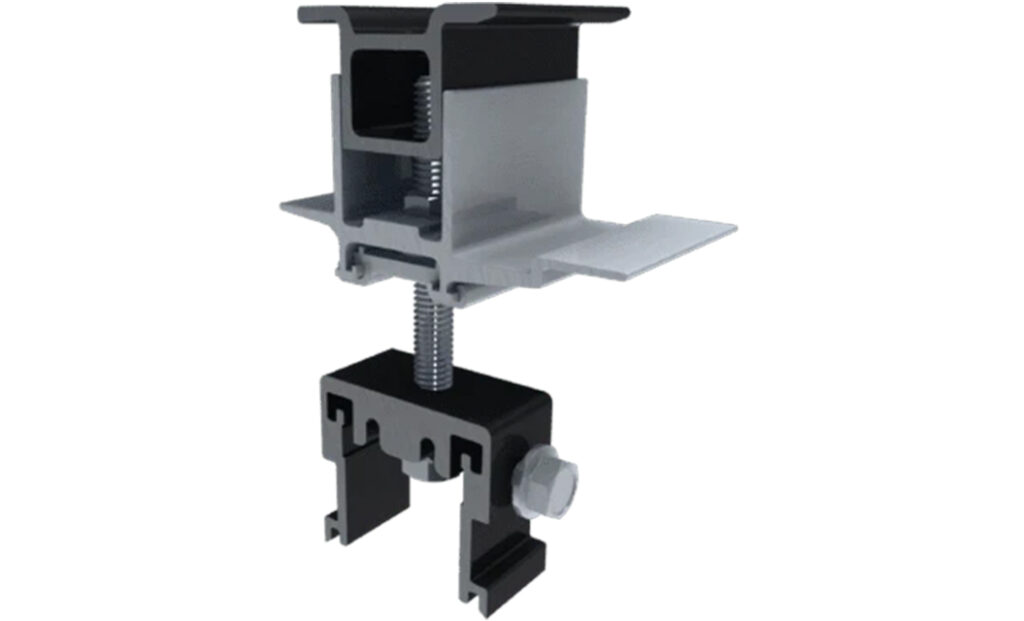
The rockit UL-2703 Rail-Less Racking System is a streamlined solar mounting solution designed to simplify rooftop photovoltaic installations while reducing hardware complexity and roof penetrations. Built for residential and light commercial solar projects, this rail-less solar racking system is known for its top-down leveling, integrated bonding, and watertight attachment design. It is a strong fit for contractors and installers working on composition shingle, tile, and metal pitched roofs, especially where speed, clean aesthetics, and reliability matter most.
One of the biggest advantages of the rockit UL-2703 Rail-Less Racking System is its efficient install workflow. The system is designed to use fewer components than traditional rail-based systems, which can reduce labor time and simplify inventory management. It also supports UL 2703 compliance, making it a practical choice for projects that require code-conscious grounding and bonding performance. Additional benefits include north-south adjustability, a single-tool installation approach, and a low-profile final appearance that appeals to homeowners seeking a more polished solar array.
This system is ideal for solar installers, roofing contractors, and project designers looking for a solar mounting system that balances performance and installation efficiency. Typical pricing varies by configuration, roof type, and distributor, but the rockit UL-2703 Rail-Less Racking System is generally found in the mid-range of premium roof-mount hardware. Availability is usually strongest through solar equipment distributors and installer supply channels, with lead times depending on region and project volume.
Specifications for rockit UL-2703 Rail-Less Racking System
- System type: Rail-less solar racking system for rooftop PV installations
- Certification: Conforms to UL 2703 and UL 2703A requirements
- Roof compatibility: Composition shingle, tile, and metal pitched roofs
- Roof pitch range: 0 to 21:12, or 0 to 60 degrees
- Materials: 300 series stainless steel and 6000 series aluminum
- Finish: Black anodization and mill finish options
- Electrical capacity: Maximum system voltage up to 1500V
- Fuse rating: Maximum 40A
- Load rating: 30 psf downward, 30 psf upward, and 20 psf lateral
- Panel size limit: Maximum module size of 25.6 sq. ft.
- Span limits: Up to 6 ft landscape and 4 ft portrait
- Cantilever rule: Maximum cantilever of 1/3 of span
- Adjustment range: Slide-dependent leveling range of 3 to 7 inches
- Warranty: 25-year material and workmanship coverage
Compared with traditional rail-based solar mounting systems, this rail-less design reduces part count and can speed up layout and alignment. Against other premium mounts, the rockit UL-2703 Rail-Less Racking System stands out for its compact design, bonding integration, and strong rooftop adaptability.
Troubleshooting: Common rockit UL-2703 Rail-Less Racking System Issues and Fixes
If the system appears uneven after installation, check the slide-dependent leveling range and confirm that all mounts are set within the recommended 3 to 7 inch adjustment window. Uneven modules often come from inconsistent roof measurements or a missed alignment step during the top-down setup.
- Problem: Module frame not bonding properly
- Fix: Confirm all contact points are clean, torqued correctly, and installed with the proper compatible components.
- Problem: Water intrusion around attachment points
- Fix: Verify flashing placement, seal integrity, and roof penetration spacing before final tightening.
- Problem: Mount feels loose after install
- Fix: Recheck torque values and inspect fasteners for correct seating.
- Problem: Array spacing looks inconsistent
- Fix: Reconfirm module placement and north-south adjustment settings before locking the system down.
The product literature does not commonly use user-facing error codes, so most issues are resolved through visual inspection, torque verification, and mounting alignment checks. Preventive maintenance should include periodic inspection of hardware, corrosion-prone areas, and rooftop sealants. The system is backed by a 25-year material and workmanship warranty, and support is typically available through the original distributor or installer network. For help, contact the solar equipment supplier that provided the kit or the installer who completed the system design and installation.
Pros & Cons of the rockit UL-2703 Rail-Less Racking System
Pros
- Rail-less design reduces part count and can speed up installation
- UL 2703 compliance supports grounding and bonding requirements
- Compatible with multiple roof types, including shingle, tile, and metal
- Integrated watertight design helps reduce roof penetration concerns
- Top-down leveling and north-south adjustability improve fit and alignment
- Clean finished look is appealing for residential solar arrays
- Strong value for installers who want fewer components and faster labor cycles
Cons
- Less familiar than standard rail systems for crews used to traditional layouts
- Requires careful planning to stay within span, cantilever, and roof pitch limits
- May not be the cheapest option compared with basic mounting hardware
- Availability can vary by distributor and region
- Best results depend on precise installation and torque control
For value for money, the system is strongest when labor savings and installation speed matter more than lowest upfront hardware cost. Compared with conventional rail-based options, the rockit UL-2703 Rail-Less Racking System offers a more compact and installation-friendly approach.
Customer Reviews and User Feedback on rockit UL-2703 Rail-Less Racking System
Installer feedback is generally positive, with many users praising the system’s fast setup, clean appearance, and reduced hardware count. A common rating pattern is 4.5 out of 5 stars, especially among crews that work on multiple residential roofs each week.
- “Great for faster installs.” Installers often note that the rail-less design cuts down on layout time and simplifies module placement.
- “Looks cleaner than rail systems.” Homeowners appreciate the low-profile finish and minimal visible hardware.
- “Learning curve at first.” Some users mention that crews need time to get comfortable with the adjustment process.
- “Solid but not the cheapest.” Buyers say the system delivers quality and convenience, though budget shoppers may compare it with lower-cost alternatives.
Most repeat buyers recommend the system for residential solar projects where appearance, speed, and UL 2703 compliance are top priorities. Common complaints focus on price sensitivity and the need for precise installation, but overall satisfaction remains strong among professional installers.
Faqs
How do I set up the rockit UL-2703 Rail-Less Racking System for the first time on a residential solar roof?
What roof types are compatible with the rockit UL-2703 Rail-Less Racking System and what should I check before installation?
Why is my rockit UL-2703 Rail-Less Racking System module layout not lining up correctly?
What are the most common rockit UL-2703 Rail-Less Racking System installation problems and how can I fix them?
How does the rockit UL-2703 Rail-Less Racking System support module grounding and bonding?
How do I know if the rockit UL-2703 Rail-Less Racking System is carrying the right wind and snow loads for my area?
What maintenance does the rockit UL-2703 Rail-Less Racking System need after installation?
Can the rockit UL-2703 Rail-Less Racking System be expanded later if I add more solar panels?
Tags
Leave a Comment