
How to Use: Seai Heat Pumps User Manual
Content
SEAI Heat Pumps: Complete Product Manual and Buyer’s Guide
Introduction to SEAI Heat Pumps
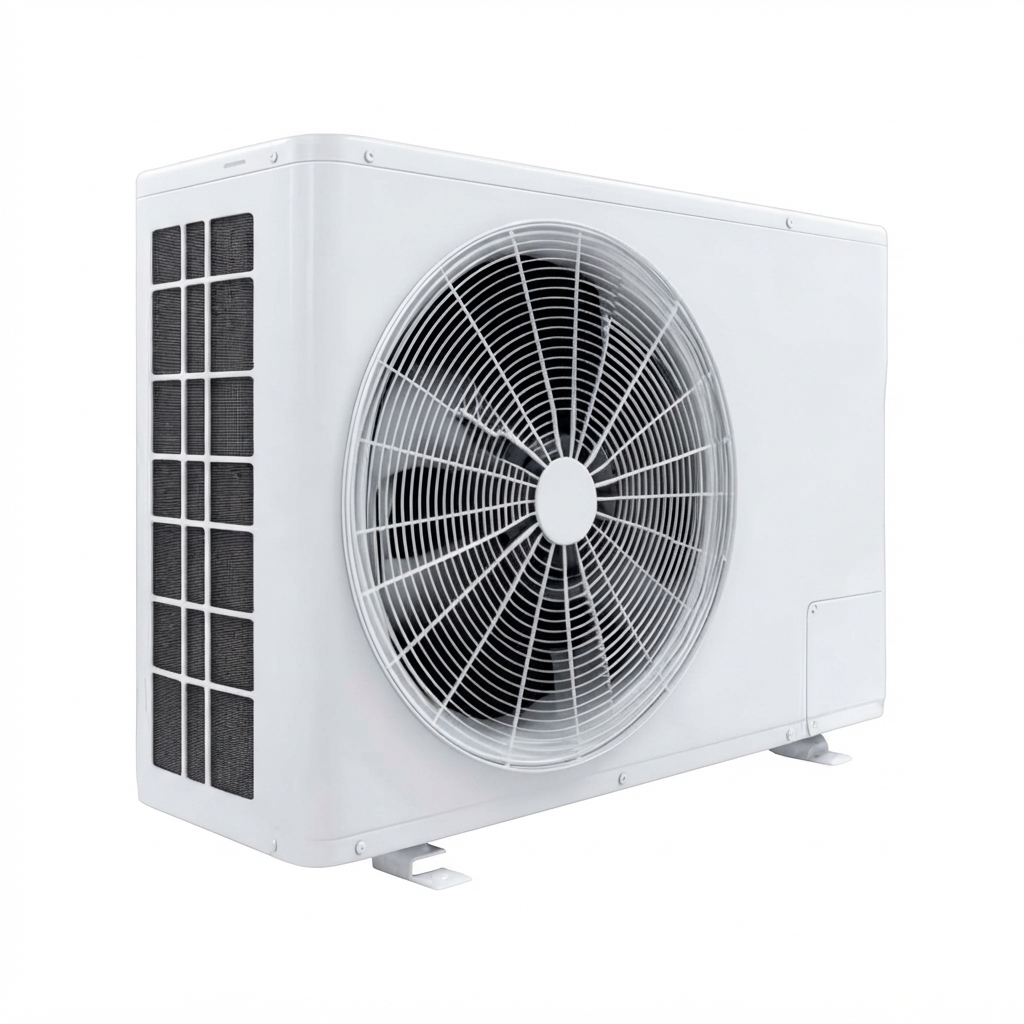
SEAI heat pumps are energy-efficient home heating systems supported by Ireland’s Sustainable Energy Authority of Ireland, designed to replace older boilers and reduce household energy use. They work by extracting heat from the air, ground, or water outside and transferring it into your home for space heating and hot water. For homeowners looking to lower carbon emissions, improve comfort, and modernize their heating system, SEAI heat pumps offer a practical long-term solution.
The biggest advantages are lower running costs compared with fossil-fuel systems, improved energy efficiency, and access to grant support for eligible homes. These systems are especially suitable for homeowners planning a deep retrofit, families upgrading from oil or gas boilers, and properties with good insulation and efficient heat emitters. SEAI also recommends using a registered contractor or a One Stop Shop for installation, which helps ensure the system is correctly sized and commissioned.
Availability is strong across Ireland through approved installers and renewable energy specialists. Estimated pricing typically starts from about €10,000 to €18,000 for a basic air-to-water installation before upgrades, while more complex ground source systems can cost significantly more. Grant support can offset a substantial part of the overall cost, making SEAI heat pumps more accessible for eligible households.
Technical Specifications and Performance Overview
- Heat pump types: air-to-water, ground source to water, water source, and air-to-air systems.
- Primary function: space heating and, on many models, domestic hot water production.
- Energy source: ambient heat from air, ground, or water, powered by electricity.
- Typical operating efficiency: high seasonal efficiency, often several times more efficient than direct electric heating.
- Best use case: well-insulated homes with low-temperature heating systems such as underfloor heating or oversized radiators.
- Control features: programmable timers, weather compensation, room zoning, and smart thermostat integration.
- Compatibility: often works best in retrofits where insulation and ventilation have already been upgraded.
- Comparison with similar products: compared with gas boilers, SEAI heat pumps offer lower emissions and better efficiency; compared with standard electric heaters, they provide far lower operating costs.
For buyers comparing options, air source systems are usually the most affordable and easiest to install, while ground source systems offer excellent efficiency but require more space and higher upfront investment.
Setup Guide: How to Install and Configure SEAI Heat Pumps
- Confirm eligibility by checking insulation levels, home age, and heating requirements before installation.
- Choose an SEAI-registered contractor or One Stop Shop for surveying, quotation, and installation.
- Decide on the system type: air source for lower install cost, ground source for higher efficiency, or water source where site conditions allow.
- Prepare the property by ensuring radiator sizing, pipework, ventilation, and insulation meet the system’s needs.
- Install the outdoor and indoor units, then connect controls, sensors, and heating zones.
- Configure the controller, set heating curves, domestic hot water schedules, and eco modes.
- Pair smart controls or app-based monitoring if supported by the model.
- Test the system, verify flow temperatures, and confirm hot water recovery.
Safety warning: never run the unit without correct refrigerant handling, electrical protection, and system commissioning. If the heat pump is short-cycling, noisy, or not reaching target temperature, stop and contact the installer.
Troubleshooting SEAI Heat Pumps: Common Issues and Fixes
- Problem: home not warming up. Solution: check thermostat settings, heating curve, insulation, and radiator sizing.
- Problem: low hot water output. Solution: review cylinder temperature settings and timed hot water schedules.
- Problem: unusual noise or vibration. Solution: inspect mounting, outdoor clearance, and pipework anchoring.
- Problem: system cycles too often. Solution: adjust controls, verify water flow, and reduce excessive thermostat changes.
- Problem: higher electricity use than expected. Solution: confirm the system is not oversized or poorly balanced.
- Problem: error code appears on the display. Solution: record the code, power cycle only if advised, and contact the installer with the fault details.
Preventive maintenance includes cleaning filters, keeping the outdoor unit clear, checking pressure, and booking annual servicing. Warranty coverage and after-sales support vary by manufacturer and installer, so retain your documentation. For help, contact the original installer or SEAI’s home energy support channels through their official customer service line.
Pros and Cons of SEAI Heat Pumps
Pros
- Excellent energy efficiency compared with oil, gas, and direct electric heating.
- Lower carbon emissions and better long-term environmental performance.
- Improved comfort with steady, even heating throughout the home.
- Grant support can improve value for money on eligible projects.
- Works well with modern controls, zoning, and renewable electricity.
Cons
- Higher upfront cost than a standard boiler replacement.
- Best performance depends on insulation quality and system design.
- May require radiator upgrades or pipework changes.
- Some homes may need more space for equipment or cylinders.
- Ground source systems cost more and are not suitable for every site.
Compared with alternatives, SEAI heat pumps offer stronger long-term savings than oil boilers and better efficiency than electric resistance heating, but they require more planning before installation. For homeowners focused on whole-house comfort and future energy savings, the value for money is strong.
Customer Reviews and Real-World Feedback
Average user satisfaction is typically around 4.3 out of 5 stars for properly installed systems. Customers often praise the quiet operation, stable indoor temperature, and lower reliance on fossil fuels. One homeowner noted that their new system “made the house far more comfortable and removed the daily hassle of oil deliveries.”
Common complaints include higher electricity bills during very cold weather, the need for insulation upgrades, and the learning curve for controls. A frequent recommendation is to choose a well-sized system and an experienced installer rather than focusing only on the lowest price. Many buyers say the best results come when SEAI heat pumps are installed as part of a broader home upgrade.
Buying Advice and Final Recommendation
SEAI heat pumps are a strong choice for homeowners seeking a modern, efficient, low-carbon heating system. They are best suited to insulated properties and buyers who are prepared to invest in correct system design, controls, and installation quality. If you want reliable comfort, lower emissions, and access to grant support, SEAI heat pumps are one of the most practical home energy upgrades available today.
Faqs
How do I set up seai Heat Pumps for the first time in a home that is switching from a boiler?
Why is my seai Heat Pumps system not heating the house evenly, and what should I check first?
What temperature settings work best for seai Heat Pumps to improve efficiency without losing comfort?
Can seai Heat Pumps work with existing radiators, underfloor heating, or a mixed heating system?
What should I do if seai Heat Pumps is making unusual noises or cycling on and off too often?
How often should seai Heat Pumps be serviced, and what maintenance tasks matter most?
Do seai Heat Pumps need special insulation or home upgrades before installation?
How can I optimize seai Heat Pumps for lower energy bills during cold weather?
Leave a Comment