
Setup: Siemens VersiCharge AC electric vehicle charging station User Manual
Content
Siemens VersiCharge AC Electric Vehicle Charging Station: Complete Product Manual
Introduction
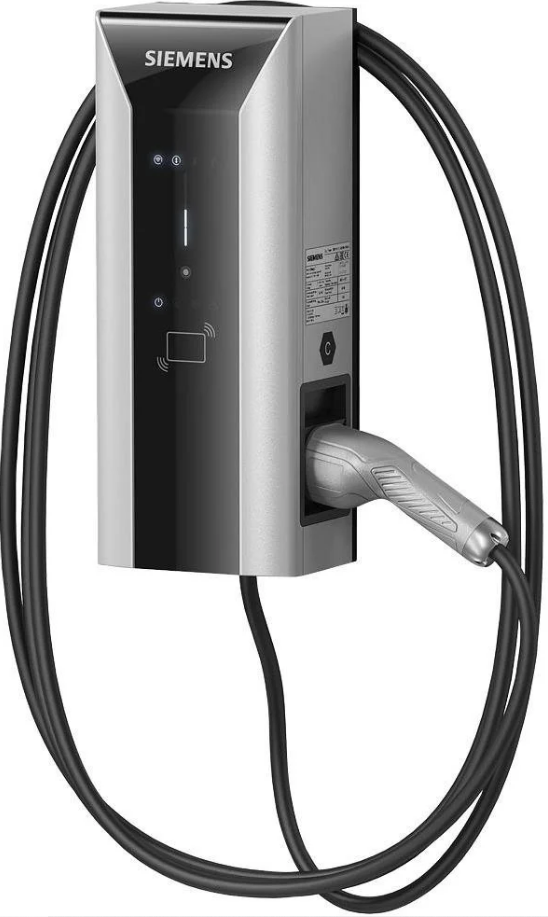
The Siemens VersiCharge AC electric vehicle charging station is a versatile Level 2 charging solution designed for homes, workplaces, fleets, and small commercial properties. Built for dependable daily charging, it supports both plug-in and hardwired installation options depending on the model, making it a flexible choice for a wide range of EV owners. With AC charging power reaching up to 7.4 kW on single-phase IEC versions, up to 22 kW on three-phase IEC versions, and up to 11.5 kW on North American 48A models, it delivers fast and practical charging for everyday use.
One of the main advantages of the Siemens VersiCharge AC electric vehicle charging station is its combination of rugged construction, smart connectivity, and easy installation. Depending on the version, users may get Wi‑Fi, Ethernet, Modbus, app-based management, cable management, and OCPP support for integration into networked charging environments. Its high protection ratings and broad operating temperature range make it suitable for indoor and outdoor use in demanding conditions. This makes it especially appealing for homeowners who want reliable overnight charging, property managers who need scalable charging access, and businesses looking for a future-ready EVSE platform.
Estimated pricing typically ranges from about $500 to $1,200 for consumer and semi-commercial versions, with connected or higher-amperage models often costing more. Availability is generally through Siemens distributors, electrical supply retailers, and EV charging specialists. For buyers comparing EV home chargers, the Siemens VersiCharge AC electric vehicle charging station stands out for its strong build quality, flexible power options, and brand reputation in electrical infrastructure.
Technical Specifications for Siemens VersiCharge AC Electric Vehicle Charging Station
- Charging type: AC Level 2 EV charger
- Input voltage: 208–240 V AC single-phase for North American models; 230 V single-phase or 400 V three-phase for IEC models
- Output power: Up to 7.2 kW, 9.6 kW, 11.5 kW, or 22 kW depending on model
- Current settings: Common options include 10, 13, 16, 20, 24, 30, 32, 40, and 48 A depending on region and configuration
- Connector type: J1772 for North American versions; Type 2 socket or Type 2 cable for IEC versions
- Connectivity: Wi‑Fi, Ethernet, Modbus RS‑485, Modbus TCP/IP on networked versions
- Protection: High IP and IK ratings on many models, with ruggedized enclosure design for indoor/outdoor installation
- Temperature range: Suitable for cold and hot environments with extended operating temperature support
- Installation: Wall-mounted; plug-in or hardwired depending on version
- Best use case: Home charging, workplace charging, fleet depots, and light commercial charging
Compared with many similar AC EV chargers, the Siemens VersiCharge AC electric vehicle charging station offers more industrial-grade build quality and broader integration options than basic consumer chargers, while remaining easier to deploy than larger network-only commercial systems.
Troubleshooting Siemens VersiCharge AC Electric Vehicle Charging Station Issues
If the charger does not start, first check the power supply, breaker, and vehicle connection. A loose plug, tripped breaker, or incompatible vehicle charging schedule is the most common cause of no-charge conditions. If the status LEDs indicate a fault, restart the unit by power-cycling it at the breaker for 30 seconds before trying again.
- No charging session: Verify the EV is unlocked, the cable is fully seated, and the breaker is on.
- LED fault indication: Inspect for overheated connectors, damaged cable ends, or interrupted ground connection.
- Communication failure: Check Wi‑Fi, Ethernet, or backend network settings on connected models.
- Unexpected shutdown: Confirm current settings match the installed circuit rating.
- Error codes: Fault numbers and LED patterns vary by model; reset the unit first, then consult the model-specific manual for the exact code meaning.
Preventive maintenance includes keeping the connector clean, checking mounting hardware periodically, and ensuring the charger is installed on a properly sized circuit. Warranty coverage and support options depend on region and distributor, but Siemens-backed products typically include technical support through the selling channel and electrical contractor network. For help, contact Siemens customer support or the authorized distributor that supplied the unit, and provide the model number, serial number, and fault behavior for faster diagnosis.
Pros and Cons of Siemens VersiCharge AC Electric Vehicle Charging Station
Pros
- Reliable Siemens engineering with strong electrical safety reputation
- Multiple power options for different EV charging needs
- Good fit for home, workplace, and light commercial use
- Connected models support smart charging and integration features
- Rugged enclosure and outdoor-capable design on many versions
- Strong value for users who want a durable long-term EVSE investment
Cons
- Pricing can be higher than entry-level home chargers
- Feature set varies significantly by model and region
- Some users may prefer simpler app interfaces or broader smart-home support
- Installation may require a licensed electrician and higher-capacity circuit
- Alternatives from brands like ChargePoint, Wallbox, and Autel may offer more consumer-focused app features
For buyers comparing long-term reliability, the Siemens VersiCharge AC electric vehicle charging station is a strong option. It is especially attractive when build quality and electrical integration matter more than flashy software extras.
Customer Reviews of Siemens VersiCharge AC Electric Vehicle Charging Station
Overall customer feedback is generally positive, with many users rating it around 4 out of 5 stars for dependable charging and solid construction. Homeowners often praise the fast installation, compact wall-mounted design, and consistent daily performance. Commercial buyers commonly appreciate the durable enclosure and network-ready capabilities on supported models.
- Praise: “It charges my EV reliably every night and feels built to last.”
- Praise: “The installation was straightforward and the unit looks professional on the wall.”
- Complaint: “The app and connected features depend on the model, so you need to choose carefully.”
- Complaint: “Pricing is higher than some budget chargers, but the quality seems better.”
Most buyers recommend it for users who want a dependable, brand-name EV charger rather than the cheapest option. Frequently mentioned concerns include installation cost, connectivity differences between versions, and the need to verify amperage before purchase.
Final Buying Advice
If you need a durable, well-engineered Level 2 charger with flexible installation choices and strong electrical credentials, the Siemens VersiCharge AC electric vehicle charging station is an excellent contender. It is best suited to buyers who value reliability, safe operation, and long-term performance over low upfront cost.
Faqs
How do I set up the siemens VersiCharge AC electric vehicle charging station for the first time at home?
Why is my siemens VersiCharge AC electric vehicle charging station not charging my car?
What vehicles are compatible with the siemens VersiCharge AC electric vehicle charging station?
How can I optimize charging speed on a siemens VersiCharge AC electric vehicle charging station?
What should I do if the siemens VersiCharge AC electric vehicle charging station shows a fault light?
Does the siemens VersiCharge AC electric vehicle charging station need Wi-Fi or an app to work?
How often should I inspect and maintain a siemens VersiCharge AC electric vehicle charging station?
Can I adjust charging settings on the siemens VersiCharge AC electric vehicle charging station to match my home electrical load?
More siemens manuals
Leave a Comment