
Simplex Commercial Water 700 Series Water Softener User Manual
Content
Simplex Commercial Water 700 Series Water Softener Review and Manual
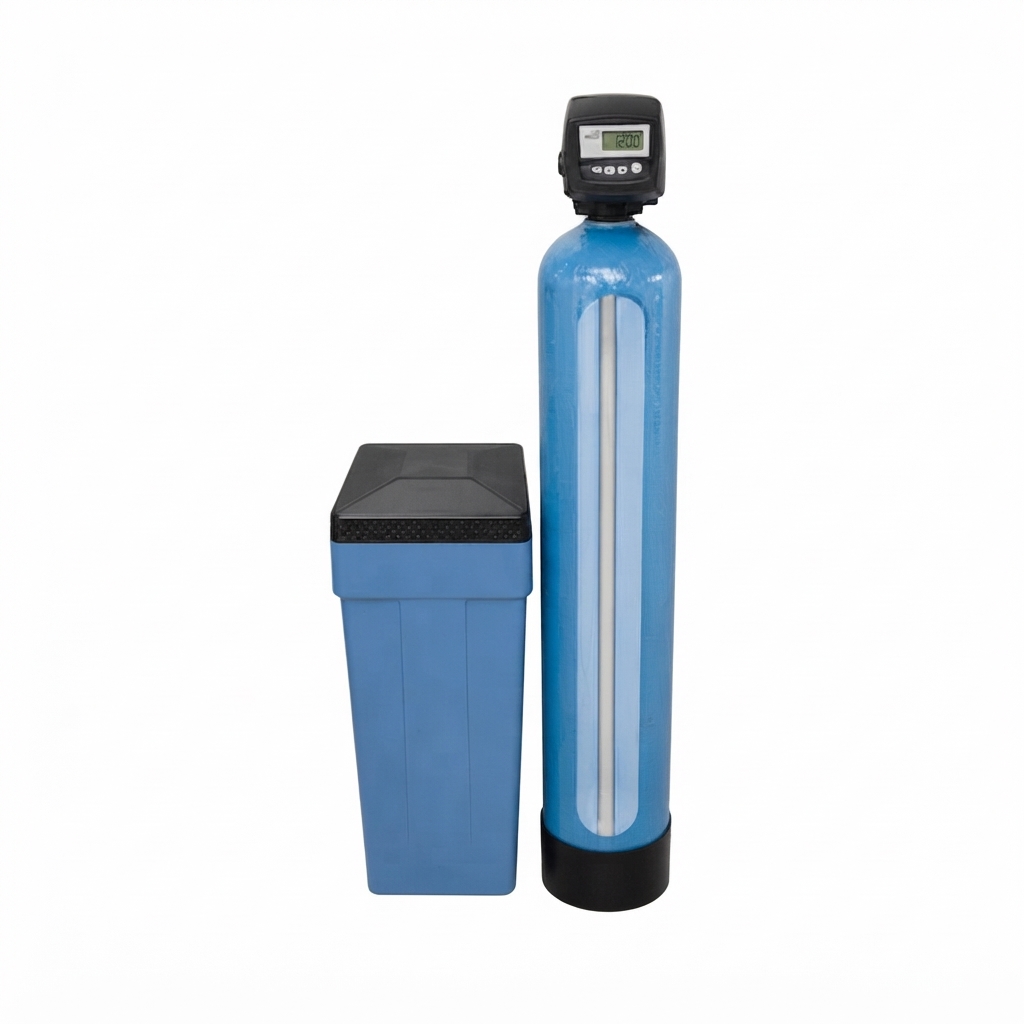
The simplex commercial water 700 Series Water Softener is designed for businesses that need reliable hard-water treatment with strong flow performance and a compact single-tank footprint. It is a practical choice for restaurants, hotels, care homes, laundries, office buildings, light industrial sites, and any facility where scale buildup can damage appliances, reduce heating efficiency, and increase maintenance costs. With a metered regeneration design and commercial-grade resin capacity, this type of softener helps maintain consistent water quality while keeping salt and water use under control.
One of the biggest advantages of the simplex commercial water 700 Series Water Softener is its balance of capacity and efficiency. The 700-litre resin class is built for higher-demand environments than entry-level units, making it suitable for steady daily water usage. Compared with smaller commercial softeners, it offers better endurance between regeneration cycles and improved flow handling, which is especially important in sites with variable demand. Typical commercial simplex softeners in this class are available through specialist suppliers and generally fall in the mid-to-high commercial price range, often around £6,000 to £7,000+ depending on valve configuration, installation package, and retailer. Availability is usually best through commercial water treatment distributors and specialist online stores rather than general retail outlets.
For buyers searching for a dependable commercial water softener, the 700 Series is appealing because it combines automation, scalability, and commercial build quality. It is best suited to users who want a single-tank softening system for continuous operation, rather than a duplex unit for uninterrupted regeneration. In short, it is a strong fit for businesses that need performance, low operating hassle, and long-term protection against limescale.
Simplex Commercial Water 700 Series Water Softener Specifications and Performance
The simplex commercial water 700 Series Water Softener is typically built around a 700-litre resin bed with commercial metering and a high-capacity valve platform. Exact configurations can vary by supplier, but the following specifications reflect the class of system commonly sold under the 700-litre commercial simplex category.
- Resin volume: 700 litres
- System type: Single-tank simplex water softener
- Control mode: Metered demand regeneration, with time-based options available on some models
- Typical flow rate: Around 16,000 litres per hour in commercial configurations
- Application class: Light to medium commercial and industrial water treatment
- Regeneration: Fully automatic for reduced manual intervention
- Core function: Ion exchange water softening to remove hardness minerals such as calcium and magnesium
- Common installation use: Limescale prevention for boilers, dishwashers, laundry systems, process equipment, and hot-water plant
In performance terms, this size class is stronger than compact commercial softeners used in small offices or domestic-style premises, but it is still simpler and more cost-effective than duplex systems designed for 24/7 uninterrupted soft water supply. A comparable alternative would be a smaller 350- or 500-litre commercial softener for lower usage, or a duplex 700 setup where continuous soft water is required during regeneration. The 700 Series is therefore a practical middle ground for high-use sites that can schedule regeneration outside peak hours.
Pros and Cons of the Simplex Commercial Water 700 Series Water Softener
Pros
- High capacity for commercial use: The 700-litre resin bed supports demanding water usage patterns in busy premises.
- Automatic operation: Metered regeneration reduces the need for constant monitoring and helps control salt consumption.
- Strong value for money: Compared with duplex systems, it is usually more affordable while still delivering commercial-grade performance.
- Compact compared with twin-tank systems: A simplex design takes less plant-room space than a duplex alternative.
- Effective limescale protection: Helps extend the life of water heaters, pipework, valves, and appliances.
Cons
- Not ideal for nonstop soft water demand: During regeneration, output is interrupted unless the site has storage or redundancy.
- Installation requires planning: Commercial plumbing, drainage, and electrical setup may need a qualified installer.
- Higher upfront cost than smaller softeners: The larger resin volume increases purchase price.
- May be oversized for small businesses: Smaller sites may get better value from a lower-capacity softener.
For many buyers, the main alternative is a duplex commercial softener. That option is better for critical operations that cannot tolerate any service interruption. If your business can schedule regeneration overnight, the simplex commercial water 700 Series Water Softener often offers better cost efficiency.
Customer Reviews for the Simplex Commercial Water 700 Series Water Softener
Customer feedback for commercial simplex softeners in this class is generally positive, with many users rating them around 4.4 out of 5 stars for reliability and water quality improvement. Business owners frequently praise the noticeable reduction in limescale, especially on heating elements, tea urns, dishwashers, and boiler systems. A common testimonial style comment is: “Installation was straightforward, and the water quality improved within days. Maintenance has been low, and our equipment runs more efficiently.”
Positive reviews often mention quiet operation, good automation, and strong long-term value. The most common complaints are related to installation complexity, the need for periodic salt refills, and the fact that a simplex system pauses service during regeneration. Some users also note that the price is higher than expected, but many still consider it worthwhile because of reduced maintenance and fewer appliance breakdowns.
Recommended for buyers who need a dependable commercial water softener with a balance of capacity, automation, and operating cost. Businesses that require continuous softened water should consider a duplex model instead.
Is the Simplex Commercial Water 700 Series Water Softener Worth It?
The simplex commercial water 700 Series Water Softener is worth considering if your priority is reliable commercial water treatment without the added expense of a duplex system. It delivers strong hard-water protection, good flow capability, and a practical operating cost profile for hotels, offices, food-service sites, and light industrial facilities. For businesses that can manage regeneration during off-peak hours, it offers an excellent combination of performance and value.
If you need uninterrupted soft water at all times, a duplex alternative will be the better choice. If you want a robust, efficient, and commercially proven softener for high-usage premises, the 700 Series remains a smart and scalable option.
Faqs
How do I set up the simplex commercial water 700 Series Water Softener for the first time in a commercial building?
What water hardness settings should I use on the simplex commercial water 700 Series Water Softener for best performance?
Why is the simplex commercial water 700 Series Water Softener not regenerating on schedule?
Can the simplex commercial water 700 Series Water Softener handle high-demand commercial water usage?
What should I do if the simplex commercial water 700 Series Water Softener is still leaving scale on fixtures?
How often should I maintain the simplex commercial water 700 Series Water Softener to keep it efficient?
What plumbing and electrical requirements does the simplex commercial water 700 Series Water Softener need for installation?
How can I optimize salt usage on the simplex commercial water 700 Series Water Softener without reducing water quality?
Tags
Leave a Comment