
Simpson Electric Powered Pressure Washer User Manual
Content
Simpson Electric Powered Pressure Washer: Complete Product Manual and Buying Guide
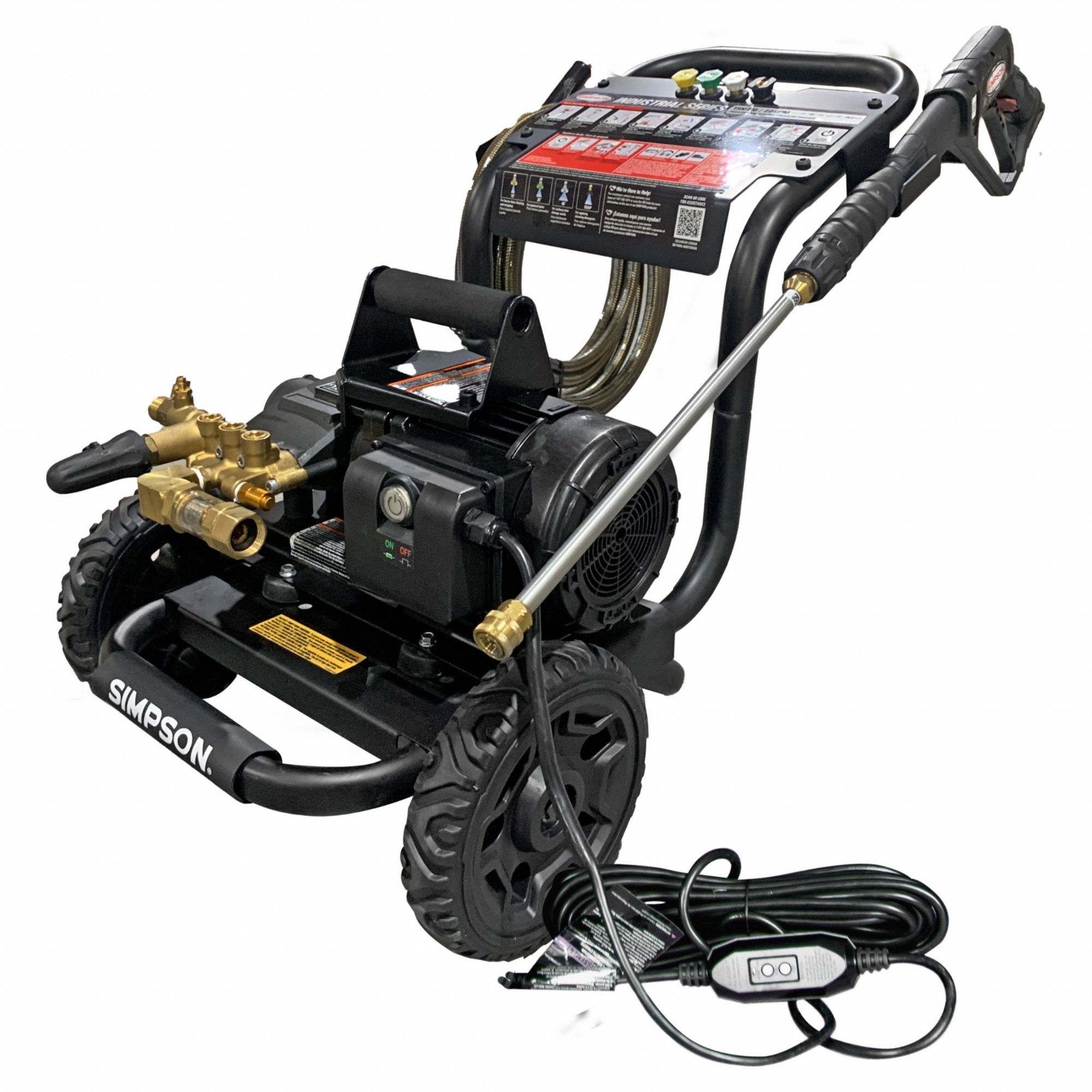
The simpson Electric Powered Pressure Washer is built for homeowners and light commercial users who need dependable cleaning power without the noise, fumes, or maintenance of a gas model. Designed for patios, siding, driveways, decks, vehicles, fences, and outdoor furniture, it combines strong pressure output with easy electric start operation and low upkeep. Depending on the model, Simpson electric units commonly deliver around 1,500 to 2,700 PSI and up to 3.0 GPM, making them a practical choice for everything from routine household washing to tougher grime removal.
One of the biggest advantages of the simpson Electric Powered Pressure Washer is its balance of portability and performance. Many models feature an induction or universal motor, axial cam or triplex pump design, onboard nozzle storage, quick-connect spray tips, and a 25-foot hose for extended reach. Users also benefit from cold-water cleaning, detergent injection, and GFCI-protected power cords on many units. This makes the machine especially appealing to DIY homeowners, property managers, and anyone searching for a quiet electric pressure washer for regular outdoor cleaning tasks.
In today’s market, the estimated price range typically starts around $300 and can exceed $1,100 for higher-powered residential or industrial electric models. Availability is generally good through major home improvement retailers, online marketplaces, and industrial supply channels, though prices vary by model, region, and seasonal demand. For shoppers comparing electric pressure washer reviews, Simpson stands out for solid build quality, reliable spray performance, and a strong reputation in the pressure washing category.
Specifications for Simpson Electric Pressure Washer Models
- Power source: Electric, usually 120V residential single-phase operation.
- Pressure output: Commonly ranges from 1,500 PSI to 2,700 PSI depending on the model.
- Water flow: Typically 1.0 to 3.0 GPM for effective cleaning and rinse performance.
- Motor type: Universal or induction motor, often 15-amp on residential units.
- Pump design: Axial cam on many consumer models; triplex on heavy-duty versions.
- Hose length: Usually 25 feet, with some models offering longer commercial-grade hoses.
- Power cord: Commonly 35 feet with GFCI protection on many electric units.
- Nozzles: Often includes 0°, 15°, 40°, soap, and turbo nozzle options depending on model.
- Frame and mobility: Steel or powder-coated frame, wheels, and cart-style handling for easier transport.
- Cleaning use: Cold-water pressure washing for siding, concrete, grills, vehicles, patio furniture, and tools.
Compared with entry-level electric pressure washer models, Simpson units usually offer stronger build quality, better hose management, and more consistent spray performance. Against premium rivals, they may be slightly louder or heavier, but they often deliver excellent value for money when cleaning power and durability matter most.
Troubleshooting Common Simpson Electric Pressure Washer Problems
If the washer will not start, check the outlet, reset the GFCI, verify the power cord connection, and make sure the trigger is not locked. A unit that starts but loses pressure often has a clogged nozzle, kinked hose, or air trapped in the system. Run water through the machine for a minute before powering on to help purge air and improve water flow.
If the motor runs but there is no spray, inspect the water supply, inlet filter, wand, and spray tip. Reduced pressure can also come from worn seals or a blocked detergent injector. Some users search for error codes, but most residential electric models do not display digital codes; instead, the issue is usually indicated by motor shutdown, pulsation, or tripped protection features such as overload or thermal shutoff.
- Low pressure: Clean nozzle, check hose leaks, and confirm adequate water supply.
- Motor overheats: Let the unit cool, avoid extended dry running, and keep vents clear.
- Pulsing spray: Remove air from the hose and tighten fittings.
- No detergent flow: Use the correct soap tip and verify siphon tube placement.
- Preventive care: Flush after use, store indoors, and winterize before freezing temperatures.
Warranty coverage and support depend on the specific model, but Simpson typically provides product support through its customer service channels and authorized service network. For help, check the owner’s manual, retailer support page, or Simpson’s official customer service contact information listed with the product documentation.
Pros and Cons of the Simpson Electric Powered Pressure Washer
Pros
- Quiet, fume-free operation compared with gas pressure washers.
- Strong cleaning performance for patios, siding, cars, and outdoor surfaces.
- Low maintenance because there is no engine oil, spark plug, or fuel system.
- Useful features such as quick-connect nozzles, detergent injection, and onboard storage.
- Good value for homeowners who want reliable electric pressure cleaning power.
Cons
- Limited by power cord length and access to an electrical outlet.
- Not as powerful as many gas-powered pressure washers for heavy commercial use.
- Some models are heavier than competing compact electric washers.
- Performance can drop if the water supply is weak or the nozzle becomes clogged.
- Best suited for residential and light-duty jobs, not continuous industrial washing.
For buyers comparing electric pressure washer alternatives, Simpson usually offers a stronger balance of durability and cleaning force than many budget brands. It is a smart choice for users who want practical performance without stepping up to a more expensive gas unit.
Customer Reviews and Real-World Feedback
Overall user feedback for the simpson Electric Powered Pressure Washer is generally positive, with many owners rating it around 4 out of 5 stars for cleaning strength, ease of setup, and solid construction. Customers often praise its ability to remove dirt from driveways, patio pavers, and vehicles without the hassle of gas maintenance.
Common compliments include reliable water pressure, easy nozzle changes, and a sturdy frame that feels more durable than many competing electric pressure washers. Frequent complaints usually involve hose stiffness, limited cord reach, and the need to keep the spray tips clean for best performance. A common user recommendation is to pair the washer with a good extension setup and proper outdoor-rated electrical access for the best experience.
- Typical praise: “Excellent for siding and driveway cleaning. Easy to use and much quieter than gas.”
- Typical complaint: “Great pressure, but I wish the hose and cord were longer.”
- Buyer recommendation: Best for homeowners who want strong, low-maintenance cleaning power.
For most residential users, this pressure washer is a worthwhile purchase if quiet operation, simple maintenance, and dependable cleaning performance are top priorities.
Faqs
How do I set up simpson Electric Powered Pressure Washer for the first time?
What water supply requirements does simpson Electric Powered Pressure Washer need to work properly?
Why is simpson Electric Powered Pressure Washer losing pressure during use?
Which spray nozzles should I use with simpson Electric Powered Pressure Washer for different cleaning jobs?
Can simpson Electric Powered Pressure Washer be used with extension cords safely?
What should I do if simpson Electric Powered Pressure Washer won’t start?
How do I maintain simpson Electric Powered Pressure Washer to extend pump life?
What surfaces are safe to clean with simpson Electric Powered Pressure Washer without causing damage?
More simpson manuals
Leave a Comment