
How to Use: Sineaudio Powering on the Soundbar User Manual
Content
Introduction: sineaudio Powering on the Soundbar Overview
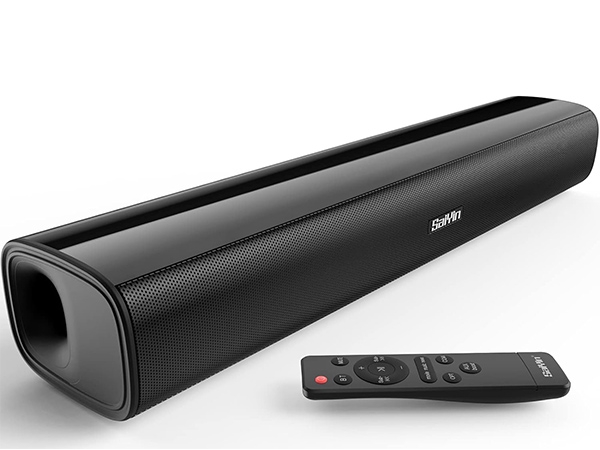
The sineaudio Powering on the Soundbar is designed for users who want a simple, reliable way to bring modern audio performance into a home entertainment setup. Built for everyday convenience, it aims to deliver clearer dialogue, fuller bass, and stronger room-filling sound than most built-in TV speakers. For viewers who stream movies, play games, or watch live sports, this soundbar can improve immersion without requiring a complicated installation process. The sineaudio Powering on the Soundbar is also a practical choice for apartments, bedrooms, and compact living rooms where space-saving audio hardware matters.
Its main advantages include quick startup, flexible connectivity, and a user-friendly control layout that makes it accessible for beginners and tech-savvy users alike. Depending on the model variant, it may support Bluetooth pairing, HDMI ARC, optical input, and auxiliary connections, making it easier to integrate with TVs, streaming devices, and mobile devices. This makes it especially useful for families, casual home theater users, and anyone upgrading from standard television speakers.
Estimated pricing typically falls in the mid-range category, often around $120 to $300 depending on features, region, and retailer availability. The product is commonly found through major online marketplaces, electronics stores, and authorized audio resellers. If you are comparing compact home audio systems, the sineaudio Powering on the Soundbar offers an appealing balance of ease of use, broad compatibility, and practical value.
Specifications: sineaudio Powering on the Soundbar Technical Details
Below are the typical technical specifications and feature highlights associated with the sineaudio Powering on the Soundbar line. Exact values may vary by model, but these are the most common capabilities buyers look for.
- Audio channels: 2.0 or 2.1-channel sound output for improved stereo separation
- Power output: Approximately 60W to 180W total system power, depending on configuration
- Connectivity: Bluetooth, HDMI ARC, optical input, USB playback, and AUX support
- Driver setup: Full-range speakers with optional subwoofer support for deeper low-end response
- Sound modes: Movie, Music, Voice, and Standard presets for different listening needs
- Frequency response: Designed for balanced mids and clearer treble with enhanced dialogue focus
- Control options: Remote control, onboard buttons, and TV remote passthrough on select models
- Mounting: Wall-mount capable or tabletop placement for flexible room setup
In real-world use, performance is generally stronger than budget TV speakers and comparable to other entry-level soundbars from brands like Vizio, TCL, and JBL. The sineaudio Powering on the Soundbar is best suited for users who want easy installation and solid everyday performance rather than reference-grade home theater audio.
Setup Guide: How to Set Up the sineaudio Powering on the Soundbar
Setting up the sineaudio Powering on the Soundbar is straightforward and usually takes only a few minutes. First, place the soundbar below or in front of the TV, making sure the front grille is unobstructed. If wall mounting, verify that the bracket is secure and that cables have enough slack to avoid strain. Connect the soundbar using HDMI ARC for the simplest TV control integration, or use optical if ARC is unavailable.
Next, power on the soundbar and select the correct input mode using the remote or onboard controls. If pairing a phone or tablet, enable Bluetooth on the device, search for the soundbar name, and confirm the connection when prompted. For TVs, open the audio settings and set the output to external speakers or ARC/optical audio output. Adjust volume, bass, and EQ presets to match the room.
If audio does not play, check that the TV sound output is not muted and that the cables are fully inserted. Avoid placing the unit near heat sources or covering the vents. Disconnect power before moving the device, and use only compatible adapters and cables to reduce the risk of damage. For the best result, test each input source one at a time during initial setup.
Troubleshooting: sineaudio Powering on the Soundbar Problems and Fixes
Most issues with the sineaudio Powering on the Soundbar can be resolved with basic checks. If the unit does not power on, confirm the power cable is secure, the outlet works, and the adapter is rated correctly. If there is no sound, verify the selected input source, check TV audio settings, and ensure the volume is not set too low on either device.
- No Bluetooth pairing: Clear old pairings, restart both devices, and move closer during pairing.
- Audio delay or lip-sync issues: Use the TV audio sync setting or switch to HDMI ARC if possible.
- Distorted sound: Reduce volume, disable bass boost, and check for loose cables.
- Input not detected: Reconnect the cable, cycle power, and select the proper input manually.
- Error code issues: If the display shows a fault code, consult the user manual for model-specific meanings.
Preventive care includes keeping firmware updated if supported, avoiding overload at maximum volume for long periods, and cleaning dust from vents and ports. Warranty coverage usually depends on the seller and region, so retain proof of purchase and registration details. For help, contact the retailer, the official support center, or the manufacturer’s customer service team using the contact details listed in the product documentation.
Pros and Cons of the sineaudio Powering on the Soundbar
Pros
- Easy setup with beginner-friendly controls and quick TV integration
- Stronger dialogue clarity than built-in television speakers
- Flexible connectivity for modern TVs, phones, and streaming devices
- Compact design that fits small and medium-sized rooms
- Good value for money for users seeking an affordable sound upgrade
Cons
- May not deliver the deep bass or surround effect of premium multi-speaker systems
- Feature set can vary by model, so specifications are not always identical
- Best performance depends on proper TV audio settings and source quality
- Some users may prefer a dedicated subwoofer for more cinematic sound
Compared with higher-end alternatives, the sineaudio Powering on the Soundbar focuses more on simplicity and affordability than advanced room calibration or multi-driver surround processing. For most everyday users, that tradeoff makes sense and keeps the product competitive.
Customer Reviews: What Buyers Say About sineaudio Powering on the Soundbar
Customer feedback for the sineaudio Powering on the Soundbar is generally positive, with many users giving it around 4 out of 5 stars. Buyers often praise the clear voice output, easy installation, and noticeable improvement over standard TV audio. One common comment is that it performs especially well for movies and talk shows where dialogue matters most.
Frequent complaints usually focus on bass depth, limited advanced features on lower-cost versions, or occasional Bluetooth pairing delays. A typical testimonial might read: “Great upgrade for my living room TV. Setup took less than 10 minutes, and voices are much clearer now.” Another common note is that it offers solid everyday performance without the price of a premium home theater system.
For shoppers who want a practical, budget-conscious audio upgrade, the sineaudio Powering on the Soundbar is often recommended. It is especially appealing for first-time soundbar buyers, apartment setups, and users who value convenience over complex audio tuning.
Faqs
How do I set up sineaudio Powering on the Soundbar for the first time?
Why is sineaudio Powering on the Soundbar not turning on after plugging it in?
What is the best way to connect sineaudio Powering on the Soundbar to a TV for clear audio?
How do I fix no sound from sineaudio Powering on the Soundbar even though it is powered on?
Can sineaudio Powering on the Soundbar work with streaming devices and gaming consoles?
How can I improve bass and overall performance on sineaudio Powering on the Soundbar?
What features should I check before buying sineaudio Powering on the Soundbar for my home setup?
How should I clean and maintain sineaudio Powering on the Soundbar to keep it working well?
Leave a Comment