
Slayer V3 Espresso Machine User Manual
Content
Slayer V3 Espresso Machine: Complete Product Manual and Buyer Guide
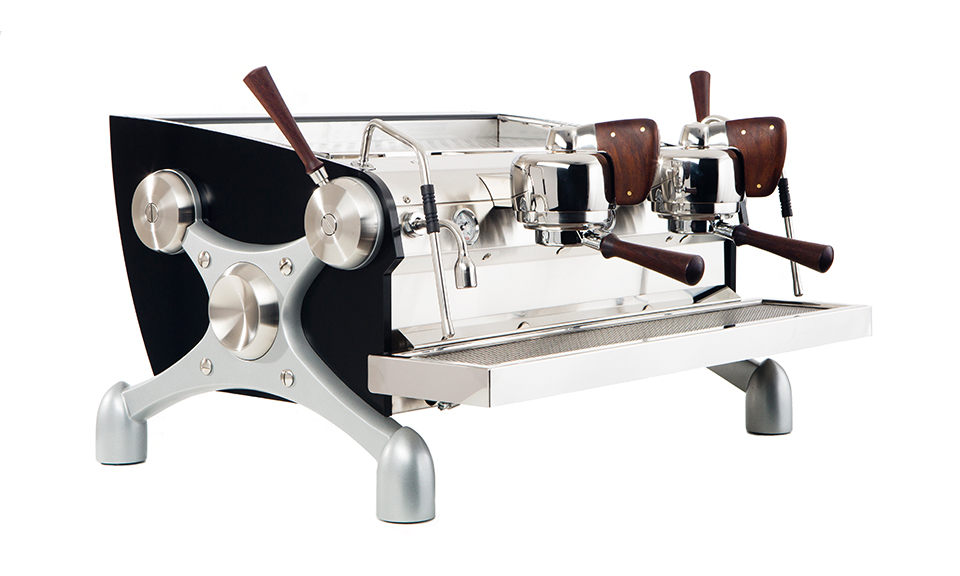
Introduction
The Slayer V3 Espresso Machine is a premium commercial espresso platform built for cafés, coffee bars, and specialty hospitality spaces that prioritize precision, consistency, and hands-on control. Designed for baristas who want to shape extraction with manual flow control and multi-boiler performance, the Slayer V3 stands out as a serious tool for crafting signature espresso shots with strong flavor clarity and repeatable results. Its multi-boiler architecture, independent brew tanks, and powerful steam system make it a strong fit for high-volume environments where quality cannot be compromised.
One of the biggest advantages of the Slayer V3 Espresso Machine is its ability to deliver both workflow speed and espresso customization. Operators can fine-tune brew behavior while maintaining stable temperature performance for milk steaming and back-to-back service. The machine is available in 2-group and 3-group configurations, making it suitable for growing cafés as well as established flagship locations. It is especially well suited for specialty coffee programs, training labs, and restaurants that want espresso equipment with a distinctive premium presence.
Estimated pricing typically starts in the mid-$20,000 range for entry commercial configurations and can rise to around $39,000 or more depending on group count, finish, and retailer setup. Availability is generally through authorized specialty coffee equipment dealers, and installation is usually handled as a professional commercial delivery. For buyers searching for a high-end commercial espresso machine that combines visual impact, consistency, and craft control, the Slayer V3 remains a standout choice.
Specifications for Slayer V3 Espresso Machine
- Machine type: Commercial multi-boiler espresso machine
- Available groups: 2-group and 3-group models
- Width: 30.5 in for 2-group; 40.5 in for 3-group
- Depth: 26.5 in
- Height: 17 in
- Weight: 220 lb for 2-group; 305 lb for 3-group
- Brew tanks: 1.7 L, 600 W per group
- Pre-heat tanks: 3.3 L on 2-group; 5.4 L on 3-group
- Steam tank: 7.4 L on 2-group; 12 L on 3-group
- Power requirements: 220–240V with single-phase or three-phase commercial installation options
- Power draw: 5.7–6.9 kW for 2-group; 7.3–8.7 kW for 3-group
- Current draw: 26–29A for 2-group; 33–36A for 3-group
- Best for: Specialty cafés, high-end coffee shops, training counters, and artisan espresso service
Compared with mainstream commercial espresso machines, the Slayer V3 focuses more on extraction control and espresso quality than on fully automated simplicity. Against other premium prosumer and commercial models, it offers a more distinctive workflow and stronger brand identity, making it a favorite for cafés that want a signature coffee experience.
Troubleshooting Guide for Slayer V3 Espresso Machine
Common problems on the Slayer V3 Espresso Machine usually relate to water supply, electrical installation, group head temperature stability, or steam performance. If the machine will not power on, first confirm that the circuit breaker is active, the voltage matches the required commercial supply, and the machine is correctly hardwired by a qualified technician. If espresso shots run too fast or too slow, check grind size, dose, and tamp consistency before assuming a machine fault.
- Problem: No power or machine won’t start.
Fix: Verify breaker, wiring, and voltage compatibility. - Problem: Weak steam pressure.
Fix: Check steam boiler fill level, incoming water supply, and any scale buildup. - Problem: Inconsistent extraction.
Fix: Inspect grind calibration, puck prep, and brew temperature settings. - Problem: Leaking around group head.
Fix: Clean the gasket, inspect the portafilter seal, and replace worn components. - Problem: No display or control response.
Fix: Power-cycle the unit and check control connections with service support.
There are no widely standardized public consumer error codes for the Slayer V3; most servicing is performed through commercial support channels and trained technicians. Preventive maintenance should include daily backflushing, water filtration, regular gasket inspection, and periodic descaling or boiler service depending on water hardness. Warranty coverage and support options typically depend on the dealer and installation package, and many sellers offer parts-and-labor coverage for one year. For help, contact your authorized Slayer equipment dealer or the espresso service provider that completed the installation.
Pros and Cons of the Slayer V3 Commercial Espresso Machine
Pros
- Exceptional espresso control with a manual, craft-focused workflow
- Multi-boiler design helps maintain stable brewing and steaming performance
- Strong steam capacity supports busy service periods
- Premium build and visual design create a high-end café experience
- Available in 2-group and 3-group options for different business sizes
- Excellent for specialty coffee menus and training environments
Cons
- High upfront cost compared with standard commercial espresso machines
- Requires professional installation and substantial electrical planning
- Manual workflow may slow throughput for teams that prefer automation
- Best value is tied to skilled baristas and a quality-driven café program
- Maintenance and service costs can be higher than entry-level alternatives
For cafés that sell premium espresso drinks and want a machine that reinforces brand identity, the Slayer V3 offers strong value for money. For operators focused purely on speed and automation, alternatives from La Marzocco, Synesso, or Victoria Arduino may be easier to standardize, though they may not offer the same hands-on extraction character.
Customer Reviews and User Feedback
Customer feedback for the Slayer V3 Espresso Machine is generally very positive, especially among specialty coffee professionals. Average user sentiment trends around 4.7 out of 5 stars for cafés that value workflow precision and visual presentation. Many baristas praise the machine for shot clarity, consistent temperature management, and the ability to highlight delicate coffee profiles.
Common praise includes the smooth steaming performance, premium feel, and the ability to produce memorable espresso in a competitive café setting. Common complaints usually focus on price, installation complexity, and the learning curve required to use the machine well. One café manager noted that the machine “became the centerpiece of our espresso bar and improved consistency once the team was trained.” Another reviewer said it “delivers incredible shots, but it demands a skilled operator and proper maintenance.”
It is a strong purchase recommendation for high-end coffee bars, training labs, and businesses that want a flagship commercial espresso machine. For smaller shops or first-time owners, a simpler commercial model may be a better fit if budget and staffing are limited.
Faqs
How do I set up the slayer V3 Espresso Machine for the first time?
Why is my slayer V3 Espresso Machine not building pressure during extraction?
What grind size works best with the slayer V3 Espresso Machine?
How do I use the pre-brew and extraction features on the slayer V3 Espresso Machine?
What should I do if the slayer V3 Espresso Machine is pulling sour or bitter shots?
Is the slayer V3 Espresso Machine compatible with standard home brewing setups?
How often should I clean and maintain the slayer V3 Espresso Machine?
What is the best way to optimize the slayer V3 Espresso Machine for consistent espresso shots?
Leave a Comment